ISL clubs slam AIFF, demand constitutional fixes before taking charge of the league
हिंदी में सुनें
Listen to this article in Hindi
ISL clubs hit back at AIFF’s response letter, demanding constitutional amendments and commercial freedom to save the league amid India’s football crisis.
Clubs push back strongly against AIFF’s letter as Indian football enters a full-blown crisis.
Indian football is in such a fragile state right now that even Bangladesh decided to pile on, handing India its first defeat in 22 years. Back home, things are somehow even worse.
On 10 December, instead of offering clarity or leadership, the AIFF spent its morning posting a bizarre “media watch” post, celebrating criticism as if it were an achievement. By afternoon, they followed it up with a letter to Indian Super League (ISL) clubs that did little more than shift responsibility elsewhere.
The post wasn’t taken down, almost as if it were part of a strategy. And when the federation’s response letter arrived later that day, it became clear what that strategy was: deflection.
The federation’s letter began with, “Some of these points are contradictory, some points are sub judice; and certain timelines suggested by you are not feasible as per the Constitution.”
Except, crucially, it never explained which points were sub judice or why the timelines were constitutionally impossible.
It then offered a single crumb of action:“We can explore Point No. 12… which states that ‘the AIFF consider a framework under which the ISL clubs may collectively form a consortium…’”
That “exploration,” AIFF says, will go to the Executive Committee and the AGM on 20 December.
The rest of the letter largely blamed the ISL clubs for the current mess:
“We recall that when we met on 12th and 18th November 2025, we also discussed the possibility of organising this league jointly. We had expected that by 19th or 20th November 2025, we would receive a judgment on the IA filed by the ISL clubs, but as we sit here on 10th December 2025, nothing has changed.”
This, despite AIFF allowing their 50-crore-a-year MRA with FSDL to lapse, designing a tender so unworkable that it drew zero bids, and publicly insisting for weeks that “all is well.”
ISL clubs hit back – and hit back hard
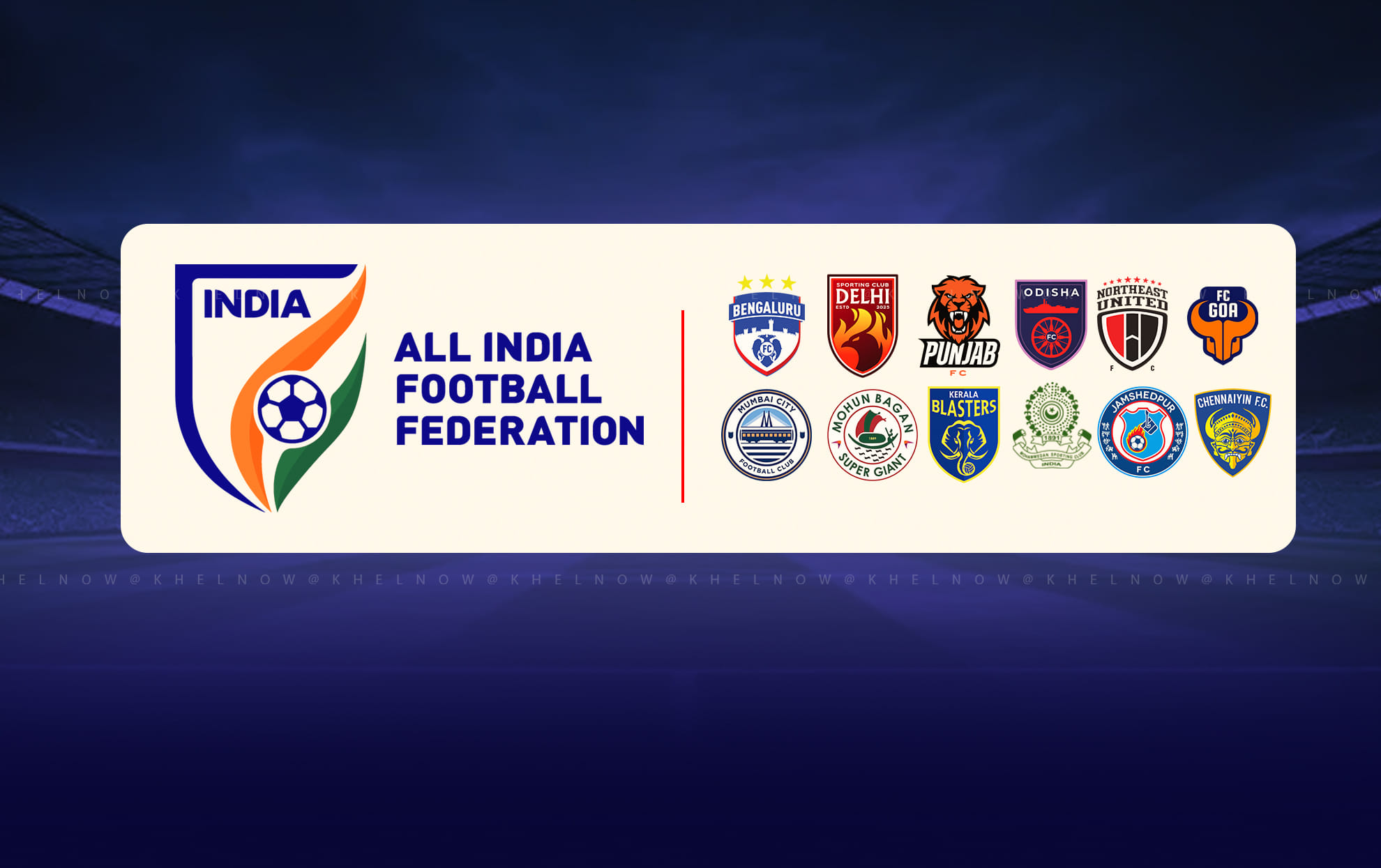
The 12 ISL clubs responded with a scathing, point-by-point rebuttal as East Bengal again remains out of the discussion as they just want to play the league, not be part of the league, which is owned by the clubs:
“The Clubs are compelled to express disappointment that the letter neither engages substantively with the issues raised nor reflects the seriousness of the commercial, legal, and operational crisis outlined in our detailed communication dated 5 December 2025.” ISL clubs said in the email sent to AIFF president, Kalyan Chaubey
Their 12-point reply laid bare the AIFF’s attempt to sidestep responsibility, reminding them that the concerns were not opinions but aligned with the independent findings of both Justice (Retd.) Rao and KPMG, whose reports to the Supreme Court highlighted structural and constitutional issues that the federation has yet to confront.
“The dismissive tone of your response and the implication that Clubs must find solutions without regulatory support is both inaccurate and unhelpful. Your response appears to deflect responsibility onto the Clubs while simultaneously citing constitutional restrictions as justification for the Federation’s inaction. Such an approach is neither reasonable nor conducive to resolving matters of existential importance,” the email further said.
They also called out the real urgency: running the league has become financially impossible.
Also Read: AIFF responds to ISL clubs’ consortium proposal as MRA crisis deepens
“This is no longer commercial strain; it is commercial impossibility.”
“The expiry of the Master Rights Agreement has resulted in the total cessation of central revenue. Clubs continue to bear contractual and operational burdens—player/staff salaries, potential stadium arrangements, grassroots commitments, academy operations—without any income streams. This is no longer commercial strain; it is commercial impossibility.”
With no central revenue after 8 December, clubs are paying salaries, stadium fees, academy expenses and contractual obligations with zero income. Staff across clubs have already started looking for other jobs. If this continues, the clubs warn, first-team operations will shut down and thousands will be affected.
Clubs call for structural reform and acknowledge government involvement
As the crisis deepens, the clubs also made a point to highlight that they are not acting in isolation. They acknowledged that the Union Government is now directly involved and working toward a sustainable solution:
“We have full faith in the Sports Ministry’s efforts toward achieving a swift and sustainable resolution to the current impasse and remain committed to extending our full support in this endeavour.”
This line is significant. It signals that the clubs want and expect the central government to step in, especially as the AIFF has repeatedly claimed “constitutional limitations” while taking no ownership of the crisis.
Clubs demand long-term reform, not short-term patches
The clubs made it clear they won’t accept quick fixes or temporary arrangements:
“Any short-term approach, without addressing the core constitutional and structural impediments, would merely serve as a band-aid on a severe injury. Such an arrangement is commercially impossible, as it would shift the entire financial burden of running the national league onto Clubs that are already incurring significant losses.”
They reiterated openness to a club-led league model, but only if the constitution-whose commercial restrictions choke the league’s viability-is amended.
“Clubs must have commercial flexibility… This is not possible until the commercially restrictive clauses in the AIFF Constitution are amended or removed.”
And if the federation can’t-or won’t-make these amendments?
“…the only logical solution is for the Federation to transfer the long-term rights of the league to the Clubs.”
Clubs demand structured dialogue- not more vague meetings
The clubs also refused to attend any more aimless discussions:
“We humbly submit that any such meeting may be most effective once the constitutional impediments are resolved…”
Time, they warn, has almost run out.
“The Clubs are united, willing, and supportive. But time is rapidly running out. What Indian football needs now is leadership and decisive action—not rhetoric, not deflection, and not further attrition of the ecosystem. The Clubs therefore request clear direction, constitutional resolution, and a commercially viable long-term framework without further delay.”
Indian football stands on the edge
The Kalyan Chaubey-led AIFF has allowed the country’s only professional league to reach the brink. Instead of leadership, the federation is still playing PR games while the sport collapses underneath. With the Supreme Court set to hear the matter, the clubs’ message is unmistakable: fix the constitution, allow commercial freedom, or step aside and let the clubs run the league.
At this point, fans aren’t asking for miracles-just a functioning league and a federation capable of protecting it.