Interstellar Comet 3I/ATLAS to Pass Earth Tonight: Viewing Guide
हिंदी में सुनें
Listen to this article in Hindi
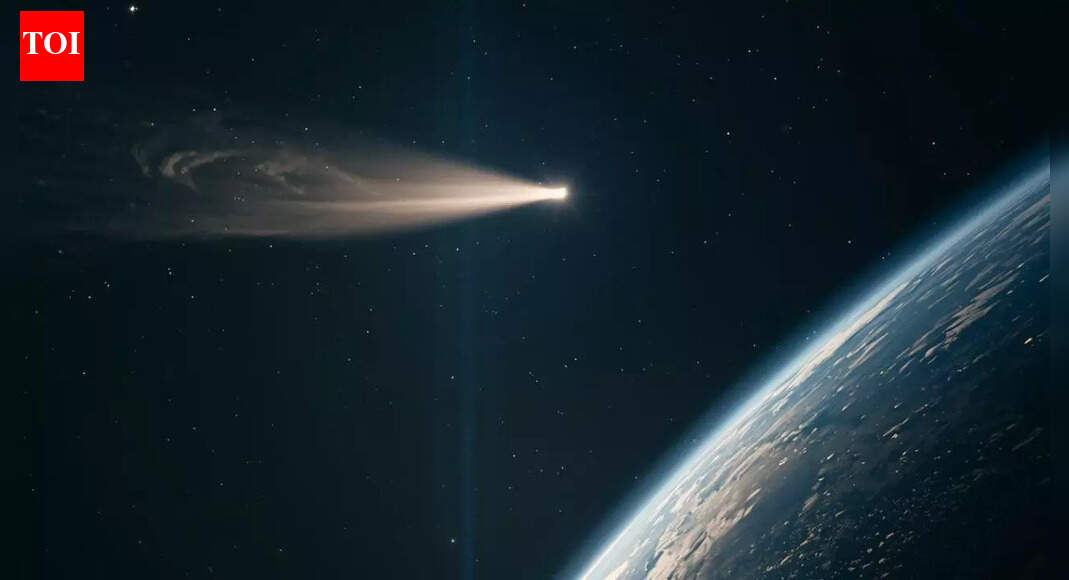
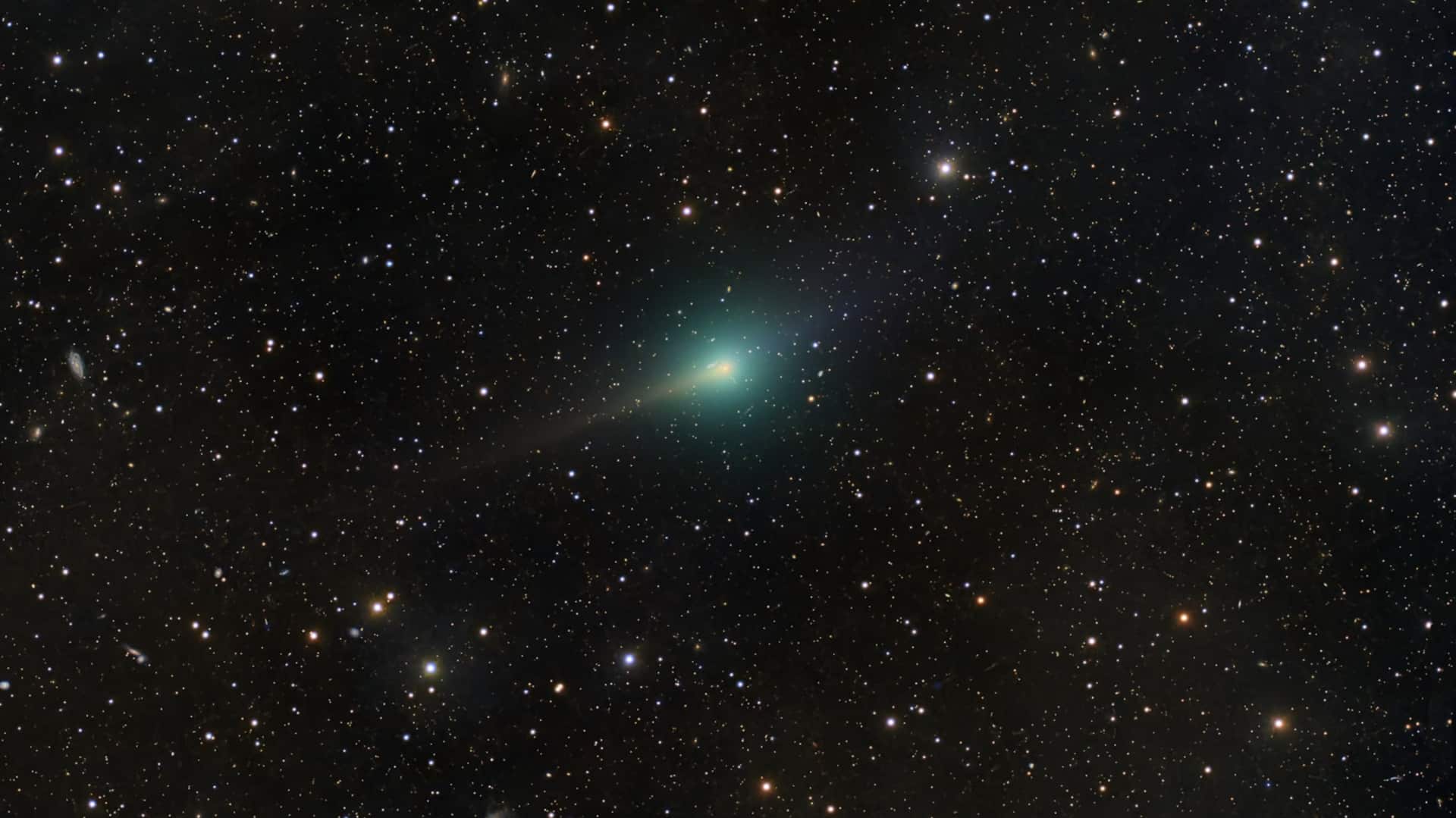
Comet 3I/ATLAS, a rare visitor from beyond our solar system, will make its closest approach to Earth tonight. Here's how to view this unique event.
Tonight, Earth will experience a fly-by from a rare interstellar comet known as 3I/ATLAS. This celestial object, originating from outside our solar system, was first detected in June 2025 by the Asteroid Terrestrial-impact Last Alert System (ATLAS) survey telescope in Chile.
Astronomers quickly recognized 3I/ATLAS as an interstellar object due to its unusual velocity and trajectory. Before this, only two interstellar visitors had been confirmed: 1I/ʻOumuamua in 2017 and comet 2I/Borisov in 2019.
Why 3I/ATLAS Matters
Comets like 3I/ATLAS are composed of ice, dust, and gases. As they approach the sun, they heat up, creating a distinctive tail. Most comets come from within our solar system, originating in the Kuiper Belt or the distant Oort Cloud. 3I/ATLAS, however, formed beyond our solar system. This makes its current pass a unique opportunity for scientists to study matter from another star system, as it will not be returning.
How to View 3I/ATLAS
The comet will be at its closest approach to Earth at 1 a.m. EST (6 a.m. GMT) today. At that time, it will be approximately 270 million kilometers away. Unfortunately, 3I/ATLAS will not be visible without the aid of a telescope. Skywatching apps can help you pinpoint its location in the night sky.
Watch Online
If you are unable to view 3I/ATLAS with a telescope, The Virtual Telescope Project will be livestreaming views from telescopes in Manciano, Italy. The livestream is scheduled to begin at 11 p.m. EST on December 18 (4:00 GMT on December 19). Be aware that the start time is subject to change depending on weather conditions at the observation site.