Inhalable microplastics: An overlooked toxic threat worsening air quality in Indian cities
हिंदी में सुनें
Listen to this article in Hindi
New research reveals the dangers of inhalable microplastics in Indian cities, adding a new dimension to the existing air pollution crisis.
While Delhi residents protested the city's smog with signs reading “I miss breathing” during November weekends, a new study has uncovered another threat lurking in the air: inhalable microplastics. These tiny plastic particles, previously overlooked, pose a significant risk to human health, scientists warn.
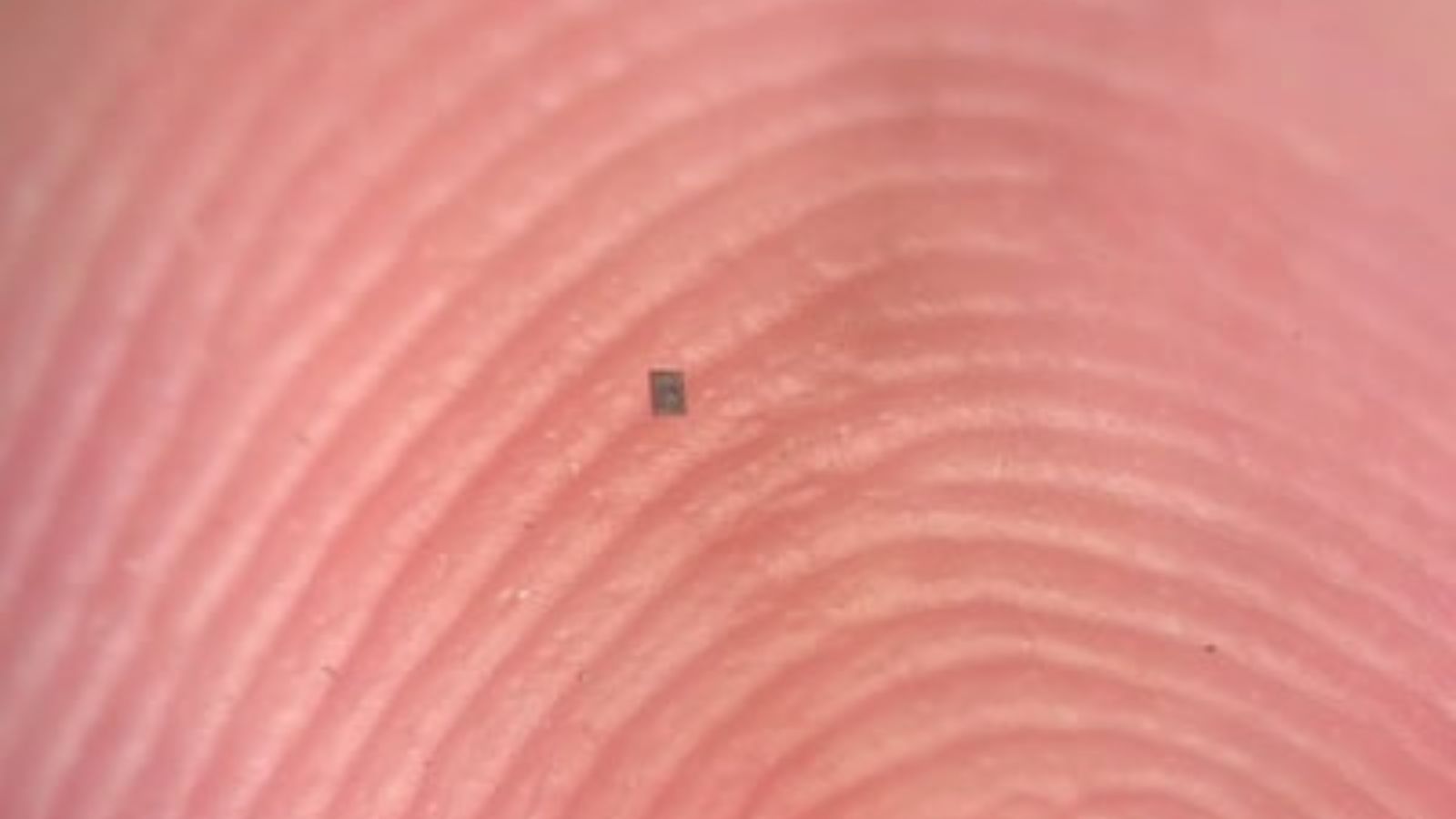
For years, air pollution concerns have centered on pollutants like particulate matter (PM2.5 and PM10), carbon monoxide, lead, sulfur oxides, nitrogen oxides, and ozone. That said, the reality is a bit more complicated. a recent study published in *Environment International* highlights the presence of respirable emerging contaminants, including inhalable microplastics smaller than 10 micrometers (µm).
Led by Professor Gopala Krishna Darbha from the Indian Institute of Science Education and Research Kolkata, researchers monitored the concentration of these microplastics at breathing height (1.5 meters) in five busy markets across Delhi, Mumbai, Kolkata, and Chennai. The study estimated the average concentration of inhalable microplastics to be 8.8 µg/m3 across the four cities.
“This translates to an average city dweller inhaling approximately 132 micrograms of these particles daily,” Dr. Darbha explained. “The size of these particles is critical because they can bypass our body's defenses and penetrate deep into the lungs. This level of chronic exposure presents a serious and ongoing risk to public health.”
The danger doesn't stop there. Researchers found that these microplastics can act as carriers for toxic co-pollutants, such as heavy metals (lead and cadmium) and hormone-disrupting chemicals (diethyl phthalates). Kolkata had the highest atmospheric lead levels, followed by Delhi. The study also revealed that these microplastics can transport harmful microbes, including antibiotic-resistant fungi like *Aspergillus fumigatus*, potentially spreading infections that resist common treatments.
By comparing their findings with toxicology databases, the research team discovered that breathing in these contaminated plastic particles is associated with an increased risk of cancer, hormone-related diseases, breast problems, and respiratory illnesses.
The study also revealed that microplastic concentrations are higher in winter. In all four cities, the mean concentration during winter evenings was 32.7 particles/m3, compared to 18.8 particles/m3 during non-winter evenings – a 74% increase. Delhi and Kolkata showed the highest concentrations of inhalable microplastics (14.18 µg/m3 and 14.23 µg/m3, respectively), while Mumbai (2.65 µg/m3) and Chennai (4 µg/m3) had significantly lower levels.
Dr. Darbha attributed these differences to meteorological conditions, particularly the coastal location of Mumbai and Chennai, as well as urban population density and waste mismanagement. The researchers identified 11 types of plastics in the air, with the majority of particles being smaller than 100 µm (56.2%). Fragments were more common than filaments.
Larger, filament-shaped microplastics often come from synthetic textiles or toy fillings, while smaller fragments, often secondary airborne microplastics, originate from packaging, tire wear, household waste, cosmetics, mini- and micro-industries, and construction.
Dr. Darbha suggests current air quality indices might capture some nanoplastics but emphasizes that more research is needed to establish a clear correlation. He also pointed out that traffic police and laborers are particularly vulnerable due to tire-wear particles, which appear to be carcinogenic. He stressed the need for policy changes to protect these vulnerable groups.
The study highlights the persistence of these particles in the air due to their low gravitational settling velocity. Dr. Darbha advocates for banning single-use plastics and promoting cotton-based clothing over synthetics. He also noted that recycled polyester and reused fabrics can release these tiny plastics. Uncontrolled waste disposal, improper waste segregation, and burning further exacerbate the problem by releasing poisonous gases and particulate matter that can attach to microplastics.
Dr. Darbha hopes that this study serves as a starting point for addressing this emerging environmental crisis and encourages further research and public awareness. The researchers urge the Indian government to take serious action regarding plastic disposal and air quality in light of the growing evidence of the harmful effects of microplastic and nanoplastic pollution.