Impact of India's Rescheduled Tour on Bangladesh's Cricket Landscape
हिंदी में सुनें
Listen to this article in Hindi
Explore the implications of India's rescheduled 2026 tour on Bangladesh's cricket landscape and international calendar.
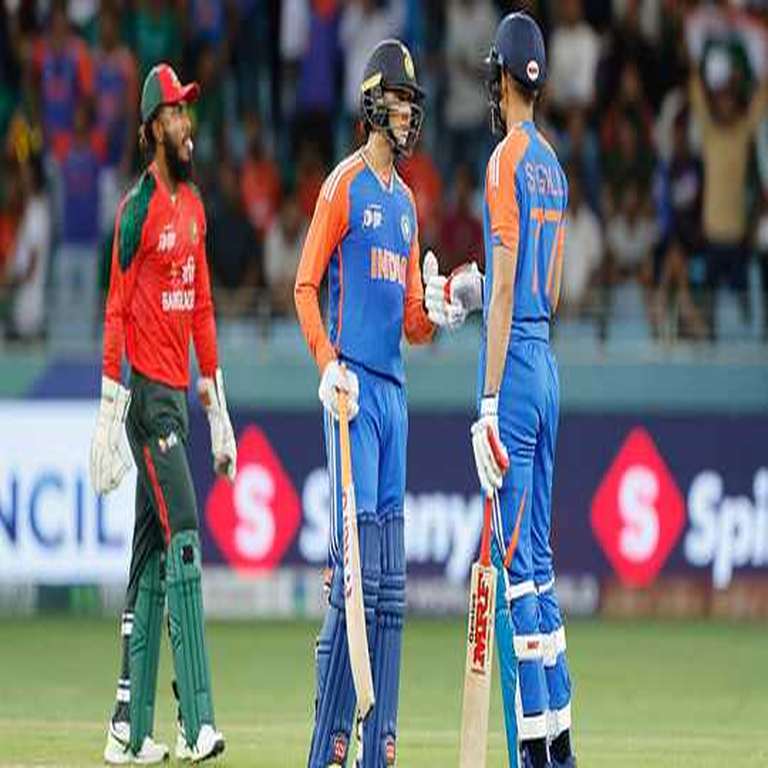
The announcement from the Bangladesh Cricket Board (BCB) regarding India's white-ball tour in September 2026 is significant for both teams and the broader cricketing landscape. This series will consist of three One Day Internationals (ODIs) and three Twenty20 Internationals (T20Is), following a well-defined schedule that allows both teams ample preparation time. The strategic timing of this series within the international cricket calendar suggests a focus on enhancing bilateral ties and providing cricketing entertainment to local fans.
The scheduling of the series for late August and early September places it just prior to the ICC T20 World Cup, which will be important for both teams in terms of player selection and performance evaluation. For India, this tour serves as a crucial opportunity to test their squad depth and refine strategies in a competitive environment. For Bangladesh, hosting a cricketing powerhouse like India will not only boost local morale but also offer a platform for their emerging talents to showcase their skills against top-tier opposition.
Bangladesh's packed international schedule for the 2026 season reflects a growing ambition within the BCB to establish the country as a cricketing hub in the region. With series planned against prominent teams like Pakistan, New Zealand, Australia, and the West Indies, the focus is on building a robust cricketing framework that can support increased fan engagement and revenue generation from international matches. The series against India, in particular, is likely to draw significant crowds and media attention, enhancing Bangladesh's visibility on the global cricket stage.
From a performance perspective, both teams will aim to capitalize on the home advantage and familiarity with local conditions. Bangladesh has historically performed well in home series, and the presence of Indian players who may be less familiar with the Bangladeshi pitches could tilt the balance in favor of the hosts. This factor is compounded by the fact that the series will occur just before the World Cup, offering both teams a critical window to finalize their strategies and player combinations.
The BCB's commitment to scheduling a series against India reflects a broader strategy to enhance competitiveness and development in Bangladeshi cricket. The series against India will not only help in gaining vital experience but may also serve as a precursor to potential up-and-coming talents stepping into the international limelight. For India, the tour acts as a testing ground for players who might be on the fringes of selection for the World Cup.
As both teams prepare for this highly anticipated series in 2026, the implications extend beyond just cricket. The engagement of local fans, potential economic benefits from increased tourism and hospitality, and the long-term growth of cricket in Bangladesh are all factors to consider. This series will likely play a pivotal role in shaping the future of cricket in both nations, providing a context for rivalry and collaboration as they navigate an increasingly competitive international landscape.
In summary, the rescheduled tour of India is not just a fixture in the calendar; it is a strategic move that could have lasting impacts on the cricketing fortunes of both countries. With a schedule packed with international fixtures, the 2026 season promises a wealth of opportunities for development and performance assessment for the teams involved.
Editor's note: This article was independently written by the Scoopliner Editorial Team using publicly available information.