India's splendid Q2 GDP print shows govt-RBI tango is working for economy despite tariff woes
Updated on 01 Dec 2025 | Category: Business
The salubrious effects of low inflation brought succor to consumers along with lower taxes leaving more money in their pockets to spend.
India's economic growth ticked all the right boxes clocking a stellar 8.2 per cent beating all estimates. The blockbuster GDP print is nothing short of extraordinary as the global backdrop is still bleak with US tariffs taking a toll on exports as reflected in the recent trade data. Despite these woes, the economy sustained the momentum from previous quarter showing that the steps taken by the government and the Reserve Bank of India to propel the economy are not just in sync but working perfectly well.
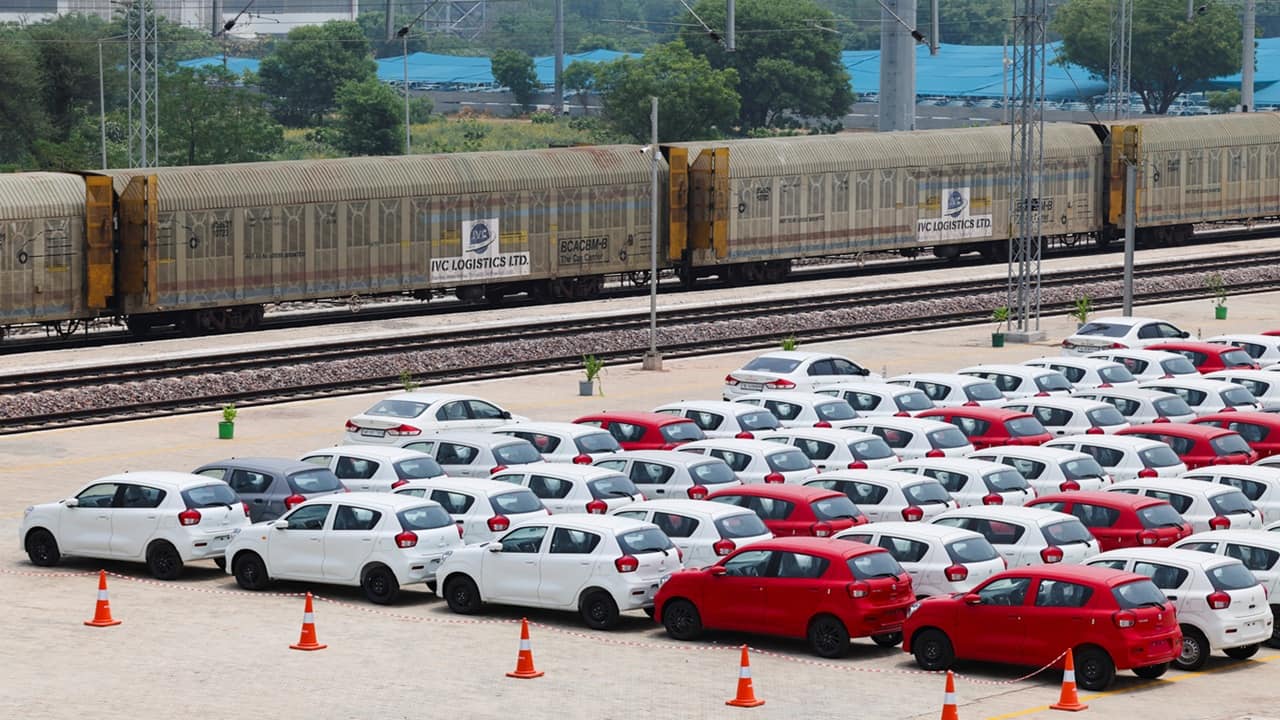
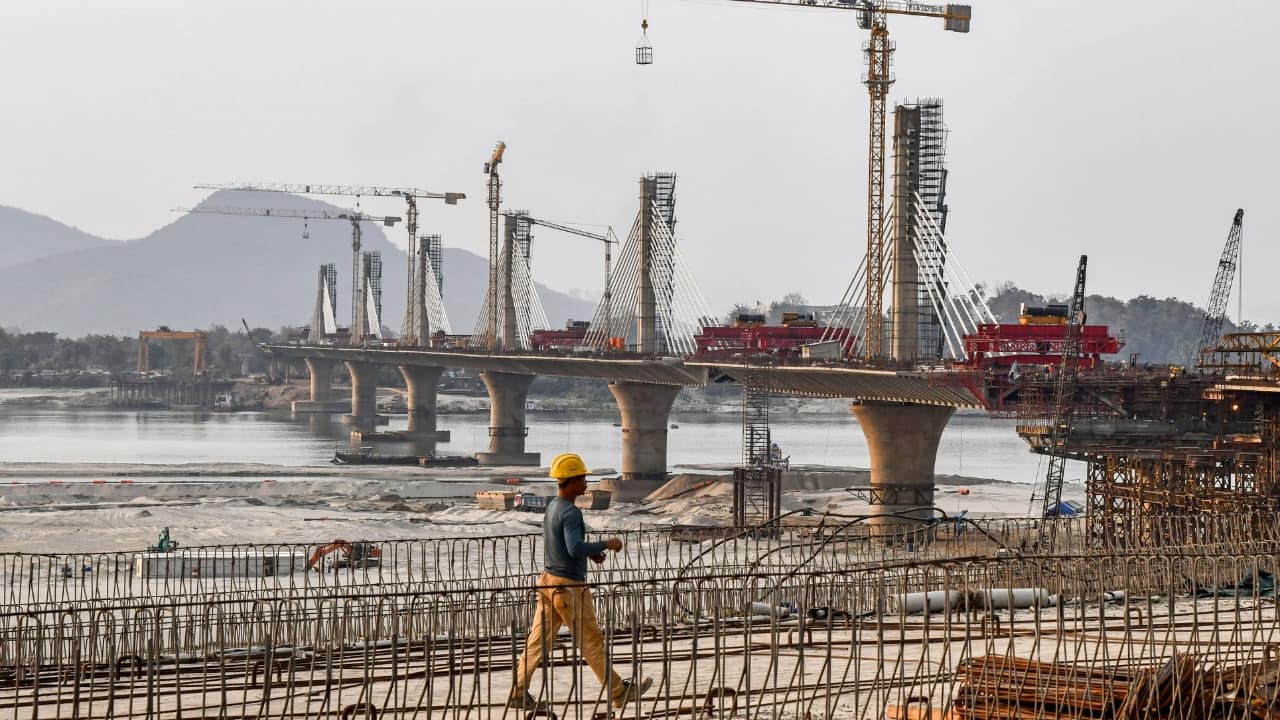
This was an all-round performance with key sectors of the economy buzzing. Manufacturing reported a growth of more than 9% while construction showed growth of over 7%. Private consumption picked up pace and recorded a growth of close to 8% on the back of tax cuts that bolstered consumer confidence. Private consumption is the bedrock of India's economic momentum as it forms the largest chunk in the GDP pie. The GST rate cuts that came into effect on September 22 will also have a positive impact on consumption going forward.
Except mining and quarrying, all the sectors were up. That is understandable due to the impact of monsoon in the second quarter from July-September. “The only sector which has had a deceleration in this second quarter is mining and quarrying, which is to be expected given that it was the monsoon season during this period,” Ministry of Statistics and Program Implementation (MoSPI) Secretary Saurabh Garg, said.
The salubrious effects of low inflation brought succor to consumers along with lower taxes leaving more money in their pockets to spend. Retail inflation has been trending downwards and low food inflation has helped in boosting discretionary spending. India recorded lowest inflation in the current series at 0.25 per cent for the month of October.
"Inflation based on both the Consumer Price Index and the Wholesale Price Index were lower in the second quarter compared with the first. Lower food inflation stoked discretionary spending," said Dharmakirti Joshi, Chief Economist, Crisil.
Tax cut-rate cut
The income tax tweak announced in this year's Budget laid the foundation for a blockbuster year for the economy bringing cheer to India's middle class. Taxes were lowered under the new regime leaving more money in the hands of consumers to ramp up spending.
The GST cuts that came into effect on September 22 after much deliberation added to the euphoria and slashed prices for many items thereby aiding sentiment among India large consumer base.
On the monetary policy front, the RBI brought interest rates down by 100 basis points in order to safeguard the economy from any external headwinds. The repo rate now stands at 5.5 per cent with experts penciling in another 25 basis points rate cut for the current fiscal.
The RBI governor Sanjay Malhotra has also noted that there is room for another rate cut but it will wait and watch for the measures already taken by the government and the monetary authority to play out.
The rate cuts are expected to further boost private investments in the economy as businesses await a clarity on the external front. Going forward, there is expectation of private investments picking up pace even as government expenditure stabilizes.
"The third quarter is expected to continue benefiting from some of these tailwinds. While government investment will likely stabilise, there are hints of a belated uptick in private investments," noted Joshi.
CRISIL has raised India's GDP growth forecast to 7%, up from 6.%. The second half growth is expected to slow down to 6.1% on the back of US tariffs and normalization of government expenditure, CRISIL noted.
The worry
Nominal GDP growth printed a dismal four-quarter low of 8.7% due to significant moderation in inflation. This does not bode well for tax collection target for the fiscal as it is pegged on a nominal growth of 10.1%.
"Tax collection growth at 4% from April to October is currently short of the fiscal year target of 11%. Additionally, slow nominal growth is typically linked to lower corporate earnings and sluggish credit growth," said CRISIL's Joshi.
Moreover, an adverse base and the lingering impact from high US tariffs could serve as speed bumps on India's growth highway.
"An adverse base, the potential negative impact of US tariffs and limited headroom for capital spending by the Government of India (vis a vis the Budget Estimates) may dampen the pace of growth from the robust 8.0% seen in H1 FY2026," observed Aditi Nayar, chief economist at ICRA.