India’s Gaganyaan and Artemis-II: A New Era in Human Spaceflight
हिंदी में सुनें
Listen to this article in Hindi
India's Gaganyaan and NASA's Artemis-II missions in 2026 may reshape human space exploration, marking a significant shift in global space efforts.
The year 2026 is poised to be a significant turning point for human space exploration, marked by India's Gaganyaan programme and NASA's Artemis-II mission. Both initiatives are set to launch missions that could reshape the future of spaceflight, highlighting a shift towards a more multipolar and ambitious era in space activities.
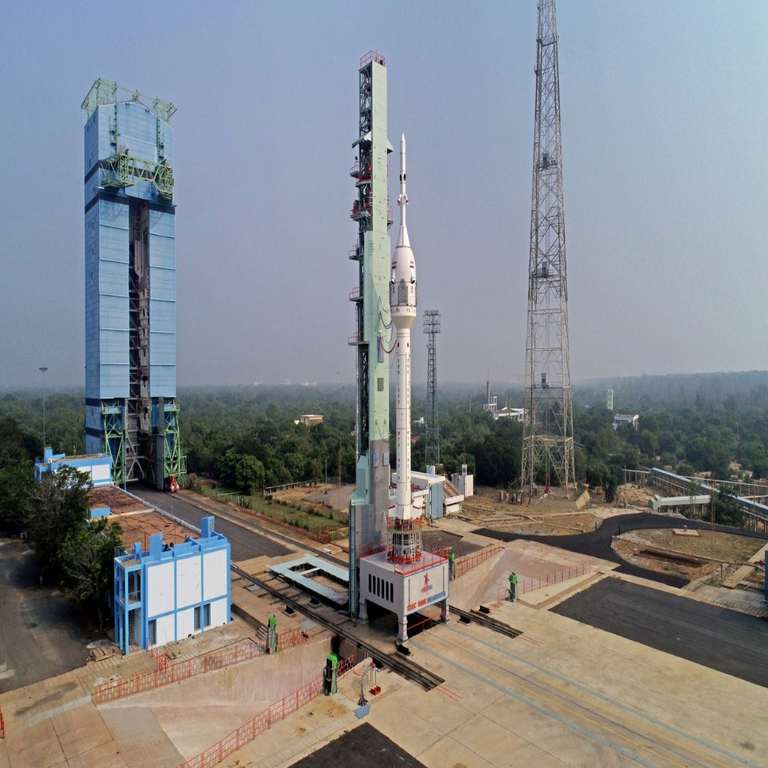
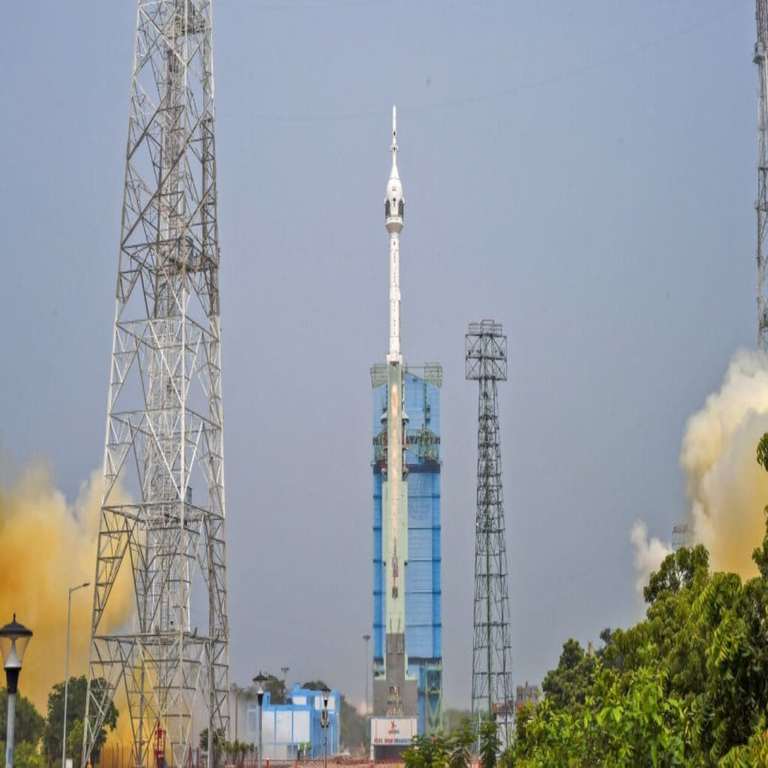
India's Gaganyaan programme aims to send humans into space for the first time, building on the momentum generated by recent successes, including landmark missions to the International Space Station (ISS). Scheduled for March 2026, the G1 mission will serve as an uncrewed orbital test flight aboard the LVM3 (Gaganyaan-Mk3) rocket. The mission will carry a humanoid robot named Vyommitra, designed to simulate astronaut functions and responses in a space environment. This test is crucial as it will rigorously assess key systems necessary for human spaceflight, such as life support, communication, and re-entry safety.
Operating in low-Earth orbit at an altitude of approximately 300 to 400 kilometers, the G1 mission's primary goal is to ensure that all systems are functioning correctly before any crewed missions are attempted. A successful G1 mission would not only bring India a step closer to independently sending humans into space but also strengthen its position in the global space community.
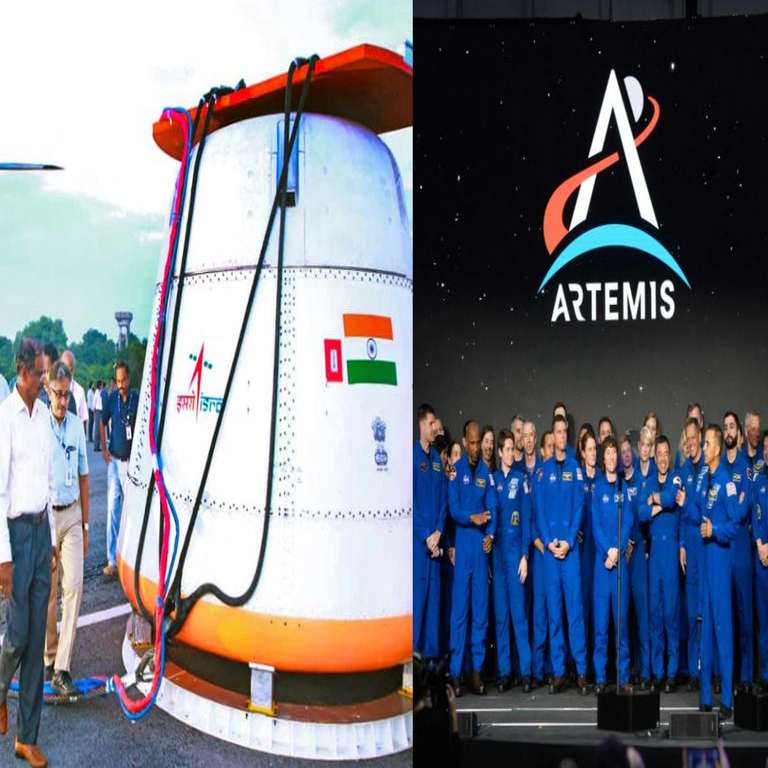
Simultaneously, NASA's Artemis-II mission represents a critical advancement in human spaceflight. This mission aims to return humans to the Moon, marking a significant milestone in NASA's broader Artemis programme, which targets sustainable lunar exploration and potential missions to Mars. While the specifics of Artemis-II are distinct from the Gaganyaan programme, both missions reflect a renewed global interest in human spaceflight and exploration.
The implications of these developments extend beyond national pride or technological capability. A successful G1 mission could pave the way for future Indian endeavors in space, including the establishment of space stations and private human spaceflight initiatives. This would potentially reduce reliance on international partners and enhance India's influence in the global space market.
Additionally, private space startups like Skyroot Aerospace and Agnikul Cosmos are preparing to launch satellites with their domestically developed rockets, marking a new chapter in India's growing private space sector. This diversification of capabilities is crucial as the small-satellite launch market continues to expand, providing opportunities for innovation and economic growth.
That said, the reality is a bit more complicated. while these missions represent significant advancements, they do not guarantee immediate success or the absence of challenges. The complexities of human spaceflight involve numerous uncertainties, including technical failures, logistical hurdles, and the need for extensive testing. Moreover, the broader scientific understanding of human health in space and the psychological impacts on astronauts remains an area of ongoing research.
In summary, 2026 stands to be a transformative year for human space exploration, with both India's Gaganyaan and NASA's Artemis-II missions potentially setting new precedents. As these missions unfold, they will contribute to a deeper understanding of human spaceflight, while also raising questions about future collaborations and the role of emerging technologies in this field.
Editor's note: This article was independently written by the Scoopliner Editorial Team using publicly available information.