Indian Scientists and Mumbai University Researchers Explain the Gannon Superstorm of May 2024

Indian Scientists and Mumbai University Researchers Explain the Gannon Superstorm of May 2024

Updated on 16 Dec 2025 Category: Science • Author: Scoopliner Editorial Team
हिंदी में सुनें

Listen to this article in Hindi

गति:

Indian scientists, including researchers from Mumbai University, have identified the cause of the Gannon Superstorm of May 2024, the strongest in two decades.


The Gannon Superstorm, a powerful solar event that impacted Earth in May 2024, has been explained by Indian scientists, including researchers from Mumbai University. The storm, the most intense in twenty years, saw the university's researchers make a significant contribution to global space research.

The study, which appeared in *The Astrophysical Journal Letters*, details how multiple substantial solar eruptions occurred in rapid succession on the Sun during May 2024. These eruptions led to the creation of a massive magnetic reconnection region in space. This region was approximately 1.3 million kilometers in size, about 100 times the size of Earth.

This immense reconnection zone amplified the intensity of the solar storm as it reached Earth. The storm significantly affected satellite operations, communication networks, and Earth's magnetic field. Data collected jointly by India’s Aditya-L1 mission and six NASA spacecraft enabled the discovery. Dr. Ankush Bhaskar from ISRO’s Vikram Sarabhai Space Centre and his student, Shibitosh Biswas, spearheaded the research.

Professor Anil Raghav from Mumbai University provided crucial guidance for the study. PhD students Ajay Kumar and Kalpesh Ghag made substantial contributions to the analysis and interpretation of the data with his support. This collaborative effort has elevated India's standing in the international scientific community. The researchers have also expressed interest in expanding international scientific cooperation in the future.

This breakthrough, which highlights the growing capabilities of Indian space science research, represents a major achievement for both India and Mumbai University. Mumbai University has recognized the research as a source of great pride for the institution.

Source: Mumbai Live   •   16 Dec 2025

Related Articles

Rewind 2025: Innovations & Missions, Top Scientific Achievements of 2025

A look back at the top scientific breakthroughs of 2025, including space exploration, medical innovations, physics discoveries, and AI advancements.

Source: Adda247 | 16 Dec 2025
Scientists develop world’s smallest autonomous robots, almost invisible to naked eye

Researchers have engineered the world's tiniest autonomous robots, so small they're nearly invisible. These micro-robots could revolutionize medicine and manufacturing.

Source: The Indian Express | 16 Dec 2025
AI Helps Decode Covert Attention and Reveals New Neuron Types

UC Santa Barbara researchers used AI to understand covert attention, the ability to focus without moving your eyes, discovering new neuron types.

Source: UC Santa Barbara | 16 Dec 2025
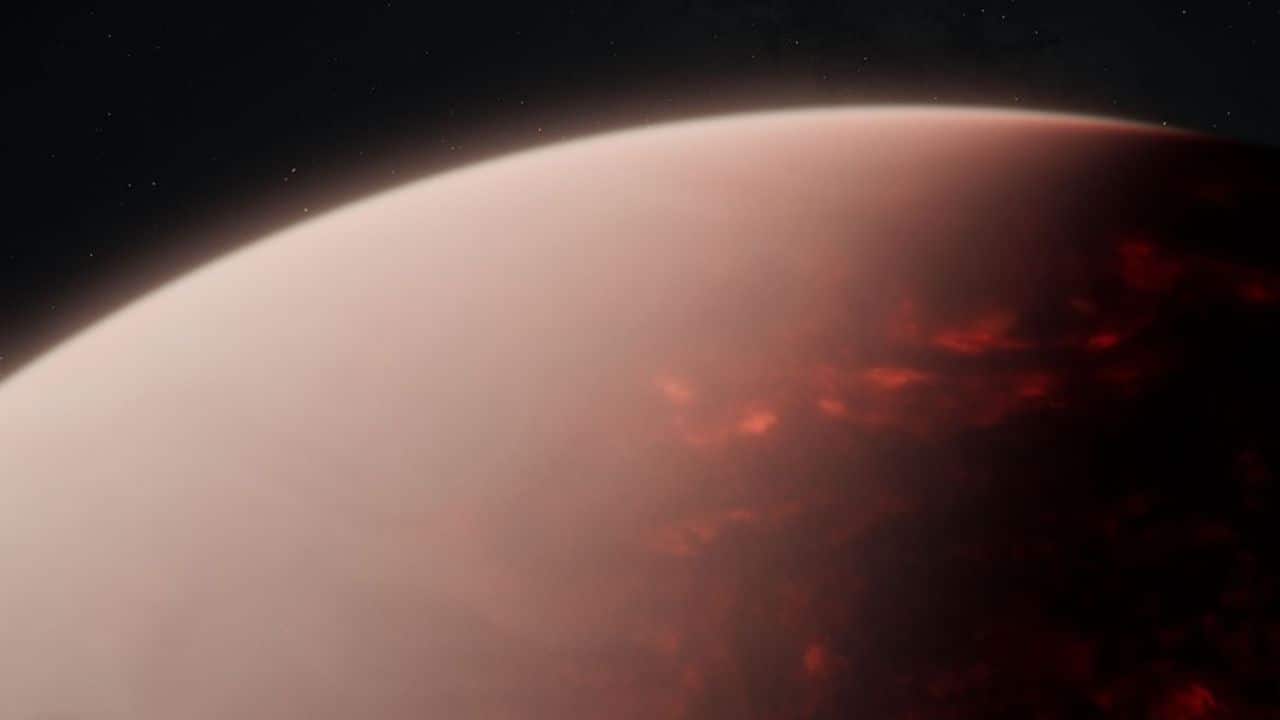
NASA's James Webb Telescope Detects Substantial Atmosphere on Scorching Lava Planet

The James Webb Space Telescope has detected a surprisingly thick atmosphere surrounding the ultra-hot exoplanet TOI-561 b, a lava-covered world.

Source: Moneycontrol | 16 Dec 2025
In conversation with Ryan Richards

RSC Applied Interfaces editor Ryan Richards discusses how researchers can highlight their work's significance and the skills scientists need to succeed.

Source: The Royal Society of Chemistry | 16 Dec 2025
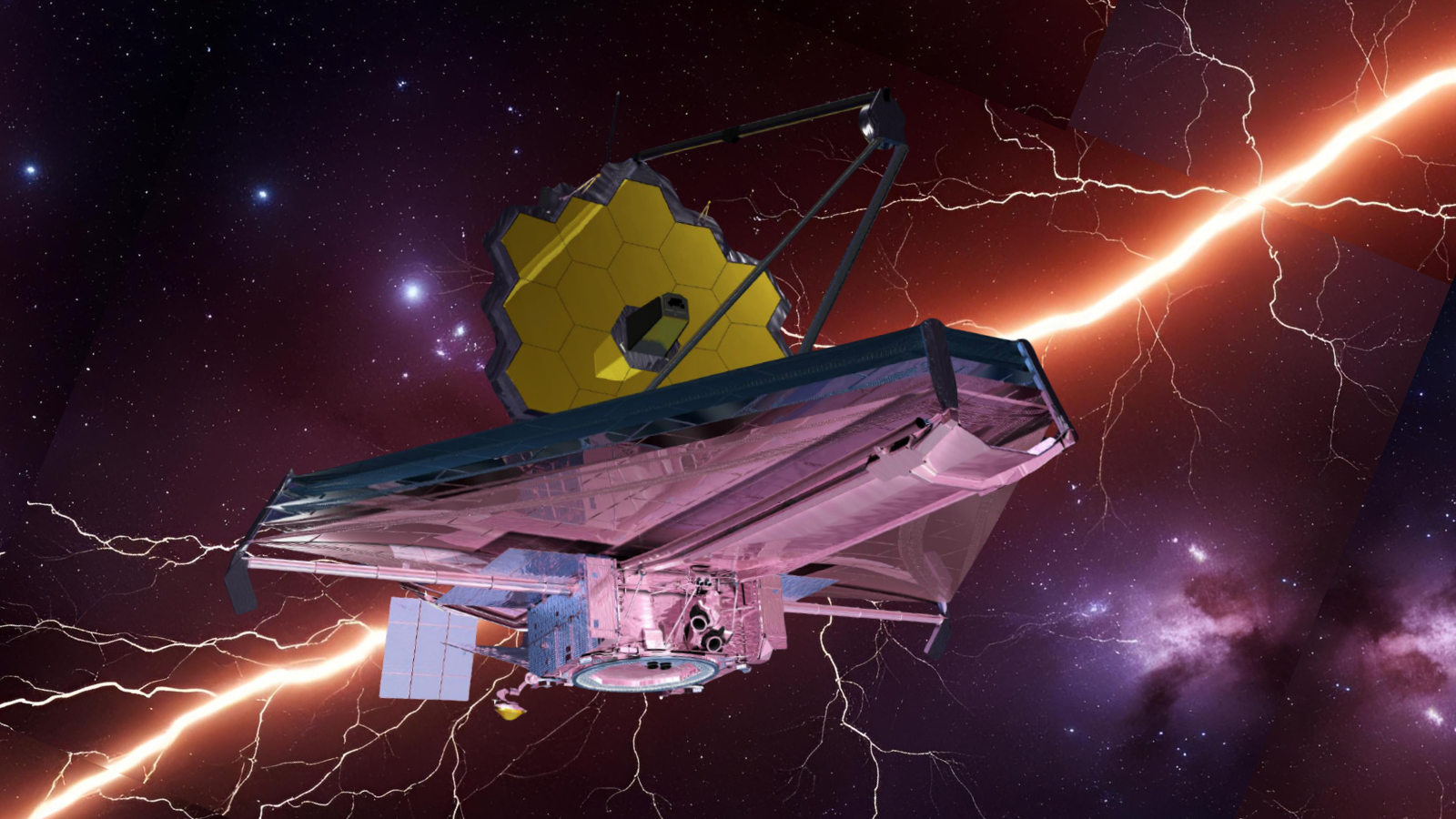
James Webb Space Telescope could illuminate dark matter in a way scientists didn't realize

New research suggests the James Webb Space Telescope (JWST) could help reveal the nature of dark matter by studying elongated galaxies.

Source: Space | 16 Dec 2025
← Back to Home

QR Code Generator