Strategic Shifts in T20I: India vs Sri Lanka Fourth Match Analysis
हिंदी में सुनें
Listen to this article in Hindi
India makes tactical adjustments as they face Sri Lanka in the fourth T20I, analyzing team changes and strategic implications.
In the fourth T20I between India and Sri Lanka, held in Thiruvananthapuram, Sri Lanka opted to bowl first after winning the toss. This decision marked a notable shift in strategy, as it was the first time the Sri Lankan captain, Chamari Athapaththu, chose to chase in this series. The decision to bowl was influenced by the anticipated dew factor, which could support the chasing team's performance in the latter stages of the match. Athapaththu indicated that a score of around 140 runs would be ideal to restrict India, highlighting her team's defensive mindset.
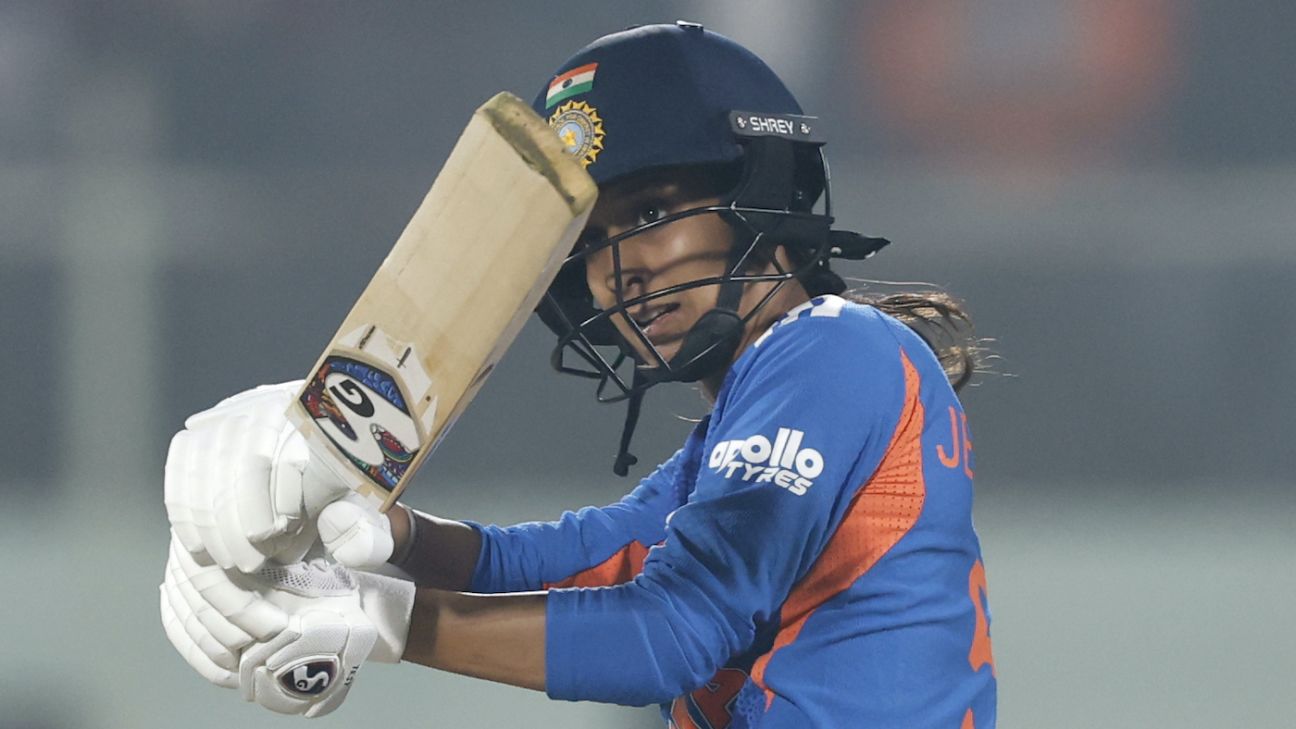
India, having already secured the series 3-0, made key changes to their lineup, including a forced replacement due to Jemimah Rodrigues’ unavailability caused by health issues. Her replacement, Harleen Deol, will need to step up in a critical batting role at No. 3. Alongside this change, India opted to rest Kranti Gaud, bringing back Arundhati Reddy, who missed the previous match. These adjustments reflect India's strategy of managing player workloads while still aiming to maintain their momentum in the series.
The tactical implications of these changes are significant. India's batting order, known for its depth and explosive capabilities, now has Harleen Deol stepping in to stabilize the innings in the middle order. This could be pivotal, especially if India faces early wickets. Deol's performance will be crucial in maintaining the scoring rate, particularly against a Sri Lankan bowling attack that now features the inclusion of seamer Kawya Kavindi and all-rounder Rashmika Sewwandi, aimed at bolstering their bowling options.
Sri Lanka's changes also indicate a tactical shift; bringing in fresh players can invigorate the team dynamic and potentially level the playing field against an already established Indian side. The decision to include two new faces suggests a focus on enhancing bowling effectiveness and fielding agility, essential for containing India's aggressive batting.
Harmanpreet Kaur’s comments post-toss reveal a strategic ambivalence—the Indian captain expressed a wish to bat first, which indicates that India might favor setting a target rather than chasing. This could also reflect their confidence in handling pressure situations, a vital component in T20 cricket.
As both teams adapt their strategies, the performance in this match could serve as a barometer for future encounters, especially considering the upcoming series. The tactical choices made now will be scrutinized for their effectiveness and could shape selection decisions in forthcoming competitions, including potential international fixtures.
In summary, the adjustments made by both teams in the fourth T20I highlight strategic evolution within the series context. As players adapt to new roles and responsibilities, the ability to respond under pressure will be the key determinant of success in this match and beyond.
Editor's note: This article was independently written by the Scoopliner Editorial Team using publicly available information.