The Erosion of Humanitarian Space: Gaza's Ceasefire Illusion and the Future of Conflict Zones
हिंदी में सुनें
Listen to this article in Hindi
The Gaza 'ceasefire' exposes the limits of international peace efforts and the shrinking space for humanitarian action in modern conflict.
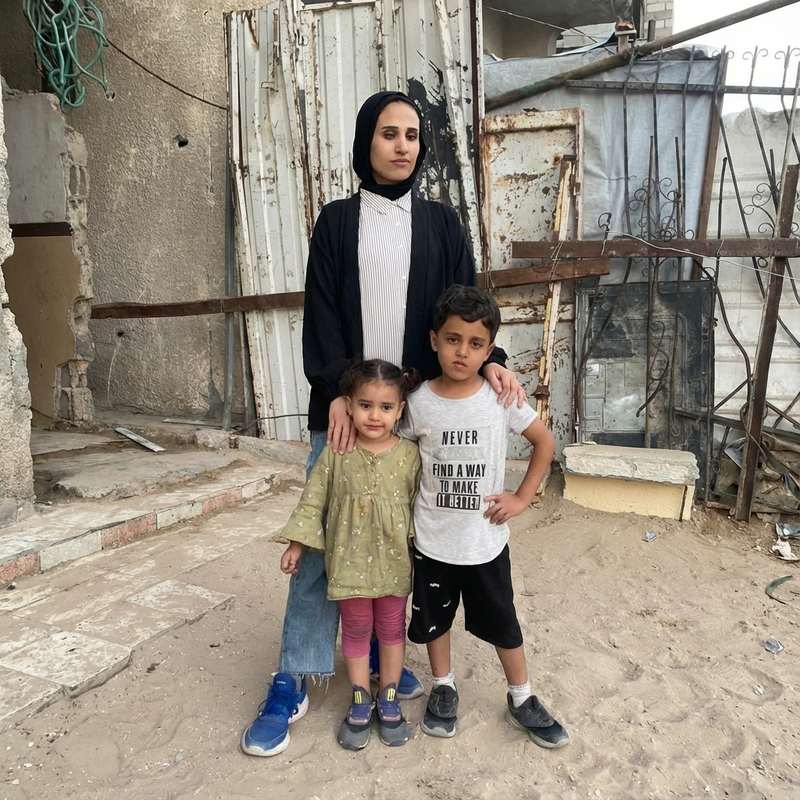
The concept of a ceasefire, traditionally understood as a cessation of hostilities providing a window for diplomacy and humanitarian relief, is undergoing a dangerous transformation in contemporary conflict. The situation in Gaza, repeatedly described as being under a 'ceasefire' while civilians continue to die and basic necessities remain inaccessible, exemplifies this erosion. This shift has profound implications not only for the Palestinian territories but also for the broader architecture of international law and humanitarian intervention in conflict zones worldwide.
The core of the problem lies in the asymmetry of power and the selective application of international norms. While international actors may declare a ceasefire, its effectiveness hinges on the willingness and capacity of all parties to adhere to its terms. In Gaza, the ongoing violence and restrictions on movement, even during the purported ceasefire, highlight the limitations of externally imposed agreements when fundamental power imbalances persist. This disparity allows for a de facto state of continuous low-intensity conflict, blurring the lines between war and peace and rendering the protection of civilians increasingly difficult. The international community's struggle to enforce accountability for violations of international humanitarian law further exacerbates the situation. The practical implications extend far beyond Gaza, potentially emboldening other actors to disregard international norms, further destabilizing fragile regions, and undermining the credibility of international institutions.
The focus on the 'day after' scenarios, often discussed without meaningful Palestinian participation, underscores a crucial deficiency in international peace efforts. The exclusion of local voices from negotiations concerning their future perpetuates a cycle of dependency and disempowerment. Such exclusion not only undermines the legitimacy of any proposed solutions but also ignores the deep-seated grievances and aspirations that fuel the conflict. Without addressing the root causes of the conflict – including land dispossession, economic hardship, and lack of political agency – any ceasefire will remain a temporary and ultimately unsustainable measure. The long-term consequences of this approach include a potential radicalization of the population, increased instability, and the further erosion of trust in international institutions. This mirrors the challenges faced in other conflict zones, from the Sahel to Southeast Asia, where externally imposed solutions often fail to address the underlying drivers of instability.
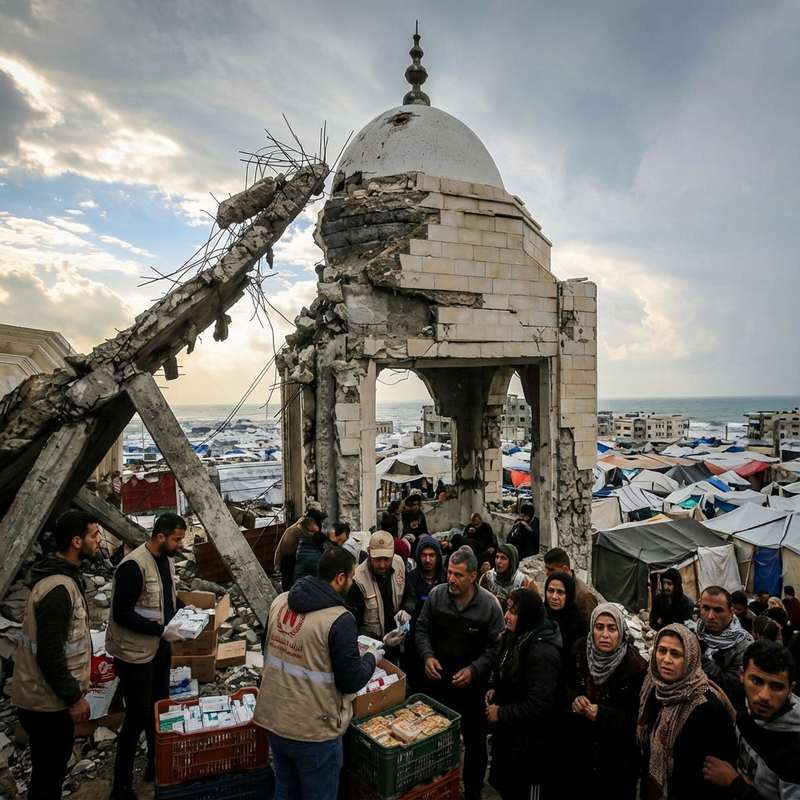
The restrictions on access to Gaza, including limitations on the movement of people and goods, represent a significant challenge to humanitarian operations. The inability of humanitarian organizations to effectively deliver aid and provide essential services further compounds the suffering of the civilian population. The so-called 'yellow line,' a newly created boundary along the Gaza border, serves as a stark reminder of the ongoing land appropriation and the limitations placed on Palestinian access to their own territory. This situation raises serious questions about the obligations of occupying powers under international law and the responsibility of the international community to ensure the protection of civilians in occupied territories. These constraints are not unique to Gaza; similar access restrictions hinder humanitarian efforts in other conflict zones, further eroding the space for neutral and impartial aid.
Furthermore, the psychological impact of prolonged conflict and uncertainty cannot be overlooked. The constant fear of violence, the destruction of homes and infrastructure, and the separation of families take a heavy toll on the mental health and well-being of the population. The sense of hopelessness and despair, coupled with the lack of opportunities for education and employment, creates a fertile ground for radicalization and further conflict. Addressing these psychological needs is essential for promoting long-term stability and reconciliation. That said, the reality is a bit more complicated. such efforts require a sustained commitment to providing mental health services and creating economic opportunities, which are often lacking in conflict-affected areas.
The situation in Gaza serves as a stark reminder of the limitations of traditional ceasefire models in asymmetric conflicts. The international community must adopt a more comprehensive approach that addresses the root causes of the conflict, ensures the protection of civilians, and promotes meaningful Palestinian participation in negotiations concerning their future. Failure to do so will not only perpetuate the suffering of the Palestinian people but also undermine the credibility of international law and the effectiveness of humanitarian intervention in conflict zones worldwide. The path forward requires a commitment to accountability, justice, and a genuine effort to create a just and sustainable peace. This shift is critical to prevent the further erosion of humanitarian space and to ensure the protection of civilians in conflict zones around the world. Understanding the [topic basics](internal_link_to_topic_basics) is essential to grasp the complexities of the issue. The complexities of the situation also impact the [world affairs background](internal_link_to_world_affairs).
Editor’s note: This article was independently written by the Scoopliner Editorial Team using publicly available information.