The Impact of Virat Kohli's Test Retirement on Indian Cricket
हिंदी में सुनें
Listen to this article in Hindi
Examining the effects of Virat Kohli's Test retirement on India's cricketing landscape and his continued performance in ODIs.
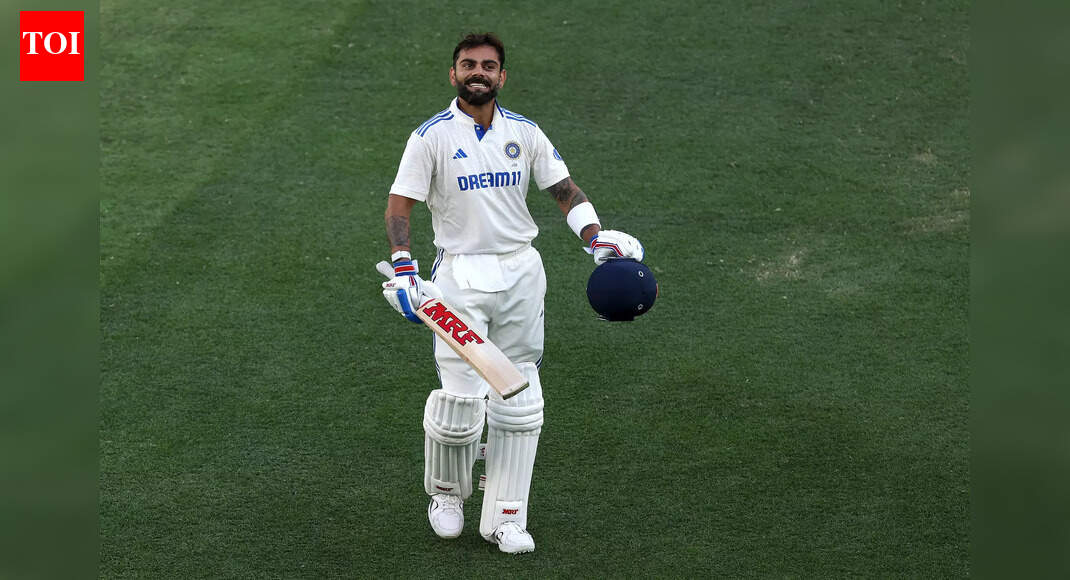
The recent emotional plea from former India cricketer Navjot Singh Sidhu regarding Virat Kohli's retirement from Test cricket has reignited discussions about the enduring impact of Kohli on the format. Kohli officially retired from Test cricket on May 12, 2025, concluding a prolific career that spanned over a decade and included significant contributions to India's success in the longest format. His record of 9,230 runs at an average of 46.85, along with 30 centuries, places him among the elite in the sport. That said, the reality is a bit more complicated. the question remains: what does Kohli's absence mean for Indian cricket, particularly in the Test arena?
Kohli's departure from Test cricket coincides with a broader trend in international cricket, where players are increasingly prioritizing shorter formats. While his focus has shifted to One Day Internationals (ODIs), where he has maintained impressive form, the loss of a player of Kohli's caliber in Test matches is significant. His ability to anchor innings and play under pressure made him a pivotal figure in the Indian batting lineup, often guiding the team through challenging situations.
The emotional appeal from Sidhu highlights a sentiment shared by many fans and analysts: Kohli's fitness and skill set, which resemble that of a younger player, could still contribute positively to the Test format. This raises questions about the sustainability of retirement decisions, especially for players who continue to perform well in other formats. Kohli's recent performance in ODIs, particularly during India's Champions Trophy triumph and subsequent series against Australia, reflects his adaptability and resilience as a cricketer.
Despite starting the Australia series with back-to-back ducks—an unprecedented occurrence in his career—Kohli rebounded strongly, scoring an unbeaten 74 in the Sydney ODI. This turnaround illustrates his mental fortitude and capacity to overcome setbacks, qualities that are invaluable in Test cricket. Kohli's experience and tactical acumen would have been beneficial in guiding younger players through the nuances of red-ball cricket.
Furthermore, Kohli's retirement from Test cricket has implications for India's overall Test strategy and performance metrics. With the team heavily reliant on a blend of youth and experience, the absence of a seasoned player like Kohli necessitates a recalibration of roles within the squad. It raises the critical issue of how emerging players will step up to fill the void left by such an influential figure.
Going forward, the impact of Kohli's retirement will also be felt in the context of India's Test rankings and performances on the international stage. While the team has a wealth of young talent, the loss of a player with Kohli's record can affect the balance and stability of the lineup, particularly in crucial series against formidable opponents. As the cricketing landscape continues to evolve, the need for experienced players to mentor and guide the next generation becomes paramount.
So where does that leave things? Kohli's retirement from Test cricket marks the end of an era for Indian cricket. His absence will undoubtedly be felt in the long format, and while he continues to excel in ODIs, the question of what could have been in Test cricket remains a poignant one. The future will depend on how the Indian team adapts to this change and nurtures the talent that Kohli has inspired throughout his career.
Editor’s note: This article was independently written by the Scoopliner Editorial Team using publicly available information.