Luka Modric Reflects on Mourinho's Impact: A Study of Leadership and Performance
हिंदी में सुनें
Listen to this article in Hindi
Analyzing Luka Modric's relationship with Mourinho and its impact on Real Madrid's performance during a pivotal era.
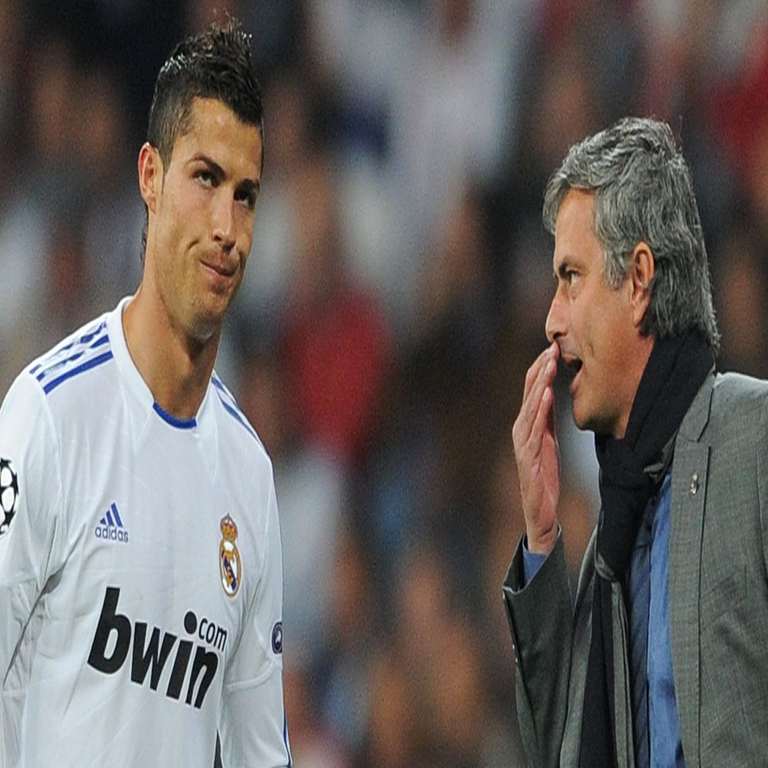
Luka Modric's recent comments about José Mourinho highlight the complexities of managerial influence on player performance and team dynamics. As Modric named Mourinho as the toughest manager he worked under, it draws attention to the pivotal role that coaching styles play in the development and success of players at elite clubs like Real Madrid. This relationship becomes more significant when contextualized within Modric's transition from Tottenham Hotspur to the Spanish giants, which came with high expectations due to his €30 million transfer fee in 2012.
Mourinho's tenure at Real Madrid was marked by a blend of tactical acumen and a controversial approach to player management. The 2012-13 season, which began with promise, ultimately ended in disappointment as Real Madrid finished second in La Liga and faced early exits from both the Copa del Rey and the Champions League. This period exemplified the challenges inherent in managing a star-studded squad, where individual egos and team cohesion often collide.
Despite the initial struggles, Modric's career trajectory at Real Madrid post-Mourinho saw a remarkable transformation. Under the subsequent management of Zinedine Zidane and Carlo Ancelotti, Modric became an integral part of a team that claimed multiple Champions League titles. This suggests that while Mourinho’s methods were tough, they may have laid the groundwork for Modric's later success, emphasizing how initial challenges can lead to long-term growth.
Statistically, Modric's contributions have been vital across multiple competitions, particularly in the Champions League, where he played a key role in Real Madrid's three consecutive titles from 2016 to 2018. His ability to adapt to various managerial styles and tactical setups underscores a player’s resilience and versatility, traits that are invaluable at the highest level of football.
Moreover, Modric's international success with Croatia, including a bronze medal at the 2022 World Cup, further illustrates his capacity to perform under pressure. The contrast between his experiences with Mourinho and those with other coaches reveals insights into the psychological demands placed on players and the varying approaches to leadership in football management.
In summary, Modric's reflections serve as a reminder of the intricate dynamics between players and coaches. While Mourinho's approach may have been deemed harsh, it potentially fostered a level of mental and tactical discipline that benefited Modric throughout his career. As football continues to evolve, understanding these relationships will be essential for both player development and managerial success in the sport.
Editor's note: This article was independently written by the Scoopliner Editorial Team using publicly available information.