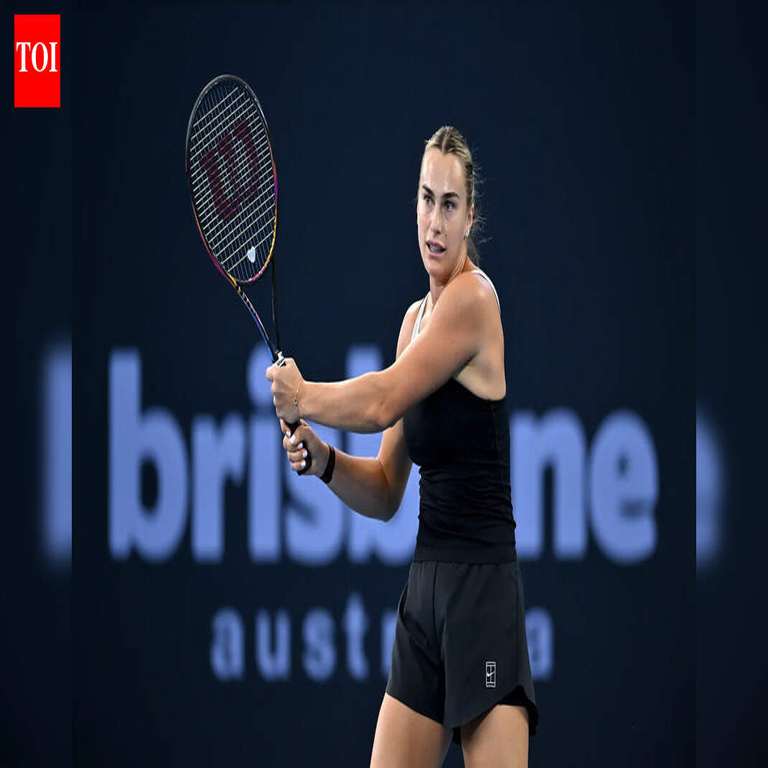
Sabalenka's Strategic Shift: Analyzing the 'Battle of the Sexes' Rematch Potential
हिंदी में सुनें
Listen to this article in Hindi
Aryna Sabalenka reflects on her loss to Nick Kyrgios and outlines a strategic approach for a potential rematch.
In the aftermath of her defeat to Nick Kyrgios in the 'Battle of the Sexes,' Aryna Sabalenka has expressed a strong desire for a rematch, emphasizing learning and adaptation as key themes. Sabalenka's loss, which saw her succumb to Kyrgios in straight sets, highlighted several performance dynamics worth analyzing, particularly in the context of how she plans to approach a potential second encounter.
The match's format was notably modified, with the court dimensions reduced by nine percent to accommodate perceived disparities in movement and speed between male and female players. This adjustment may have favored Kyrgios, an accomplished player known for his agility and serve speed. Sabalenka’s admission that she struggled with the modified conditions indicates an area for tactical improvement. Her proposal for a full-sized court and altered serving rules reflects a strategic shift aimed at leveling the playing field.
Sabalenka's reflections on the match reveal her understanding of the importance of adaptation in competitive sports. She stated, "I learned a lot about his game," underscoring a nuanced understanding of Kyrgios’ playing style. This insight could be pivotal for her preparation, as understanding an opponent’s strengths and weaknesses is crucial for competitive success. By analyzing Kyrgios' aggressive serve-and-volley approach, Sabalenka can tailor her training to counteract specific strategies that led to her defeat.
Furthermore, her suggestion to allow for two serves instead of one indicates a recognition of the impact of serving dynamics in the match. This adjustment could significantly alter rally lengths and pressure dynamics, potentially benefiting her baseline play and return strategies. Such tactical modifications demonstrate Sabalenka's forward-thinking approach to match preparation, as she aims to leverage her strengths more effectively in a rematch scenario.
The psychological component of Sabalenka’s statement—her desire for revenge—highlights the competitive mindset prevalent in high-stakes sports. This determination could serve as a motivating factor, influencing her training regimen and competitive mindset leading up to the rematch. A strong psychological approach often correlates with improved performance, particularly in rematch scenarios where previous encounters are fresh in the players' minds.
As Sabalenka continues her title defense at the Brisbane International, her experience against Kyrgios may also impact her overall tournament performance. The lessons learned from this exhibition match could enhance her confidence and adaptability, crucial traits in the fast-paced environment of professional tennis. Moreover, the public interest generated by the 'Battle of the Sexes' could serve to elevate her profile, potentially leading to increased support and fan interest during subsequent tournaments.
So where does that leave things? Sabalenka's call for a rematch with Kyrgios is not merely about rectifying a loss but is also a reflection of her strategic growth as a player. The adjustments she proposes indicate a thoughtful approach to enhancing her game, which could yield dividends as she navigates future competitions. Understanding Kyrgios’ game better, coupled with her willingness to adapt, positions her as a formidable opponent in any future encounters.
Editor's note: This article was independently written by the Scoopliner Editorial Team using publicly available information.