Understanding the Wolf Supermoon: A Celestial Phenomenon
हिंदी में सुनें
Listen to this article in Hindi
The Wolf Supermoon on January 3, 2026, will illuminate the skies over Hyderabad. Learn what this astronomical event signifies.
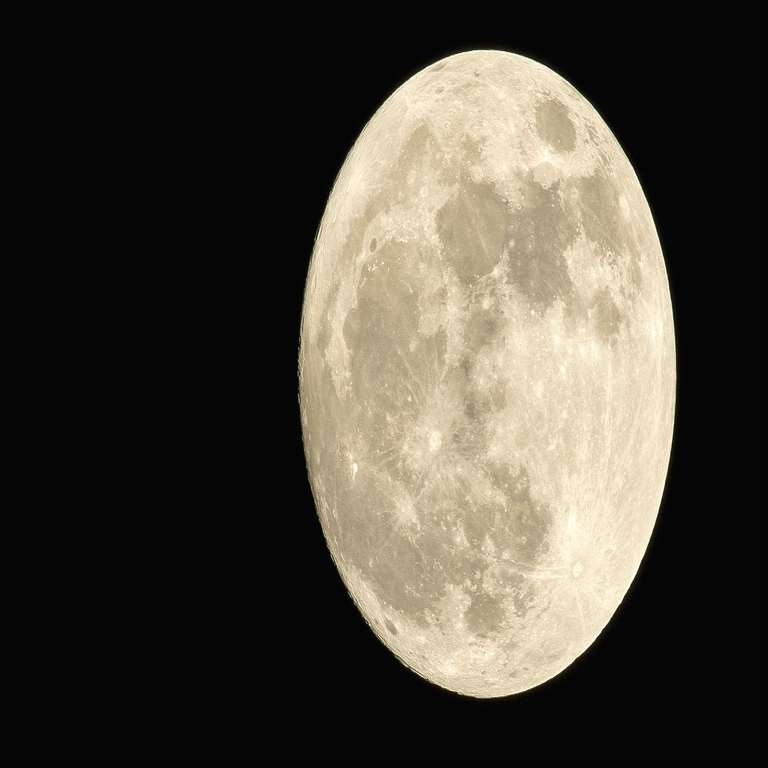
The upcoming Wolf Supermoon, peaking on January 3, 2026, provides an excellent opportunity for astronomy enthusiasts in Hyderabad to observe an impressive lunar display. This celestial event occurs when a full moon coincides with its closest approach to Earth in its elliptical orbit, known as perigee. As a result, the moon appears approximately 14 percent larger and 30 percent brighter than a typical full moon.
From January 1 to January 4, observers will notice the moon's significant size and brightness. The term 'Wolf Moon' has its origins in folklore, particularly from ancient European and Native American traditions, marking the time of year when wolves were believed to howl more frequently during the cold winter nights. While wolves may not be howling in the Deccan Plateau, the moonlight will create an enchanting atmosphere for stargazers.
In Hyderabad, the moon is expected to rise around 5:52 PM on January 3, coinciding with the 'blue hour'—a period just after sunset when the sky takes on a deep blue hue, making it particularly advantageous for photographers. To optimize viewing conditions, experts suggest seeking locations away from urban light pollution, recommending elevated spots like Hussain Sagar or Naubat Pahad, where the Birla Planetarium is situated. These areas are expected to provide clearer views of the moon, especially given the anticipation of clear skies across Telangana.
It's important to note that no special astronomical equipment is necessary to appreciate this event, as the supermoon can be observed with the naked eye. That said, the reality is a bit more complicated. those wishing to enhance their experience might consider using binoculars or a telescope for a closer look at lunar features. While the supermoon is visually striking, it does not imply any extraordinary effects on Earth or human behavior, despite some popular myths surrounding such events.
The visibility of the Wolf Supermoon, like any astronomical event, is subject to various conditions, including weather patterns and atmospheric clarity. While the forecast predicts good visibility, there are inherent limitations, such as potential cloud cover or increased pollution that could obscure the view. Thus, while anticipation builds for this lunar spectacle, the actual experience may vary based on local conditions.
So where does that leave things? the Wolf Supermoon presents a wonderful opportunity for the public to engage with astronomy and observe a beautiful natural phenomenon. As individuals head out to enjoy the show, it serves as a reminder of our planet's relationship with the moon and the broader universe, inviting curiosity and appreciation for the night sky.
Editor's note: This article was independently written by the Scoopliner Editorial Team using publicly available information.