The Geopolitics of Ritual: How Intentional Practices Reshape Global Strategy
हिंदी में सुनें
Listen to this article in Hindi
The rise of ritualistic practices in personal life offers a new lens through which to understand global strategic decision-making and international relations.
In an era defined by rapid technological advancement and near-constant global connectivity, a seemingly paradoxical trend is emerging: the resurgence of ritual. While often relegated to the realms of religion or cultural tradition, ritualistic practices, defined as intentional and rhythmic choices that bring energy, presence, and meaning, are increasingly shaping individual behavior. This phenomenon, however, has profound implications for understanding geopolitical strategy and international relations. The ways individuals cultivate meaning and manage their cognitive resources can influence national policy and international cooperation.
At the core of geopolitical strategy lies decision-making. Leaders and policymakers are tasked with navigating complex scenarios, assessing risks, and formulating policies that serve national interests. These decisions are not made in a vacuum. They are the product of individual cognitive processes, shaped by personal values, beliefs, and experiences. The capacity for focused attention, emotional regulation, and clear thinking is paramount. Rituals, by their very nature, cultivate these qualities. Practices that promote mindfulness, such as meditation or reflective journaling, can enhance self-awareness and reduce the susceptibility to cognitive biases that can skew judgment. This is particularly relevant in crisis situations, where the ability to remain calm and rational under pressure is critical. World affairs background helps to give context to these situations.
Furthermore, the rise of ritualistic practices can be seen as a response to the pervasive sense of uncertainty and anxiety that characterizes the modern global landscape. From climate change to economic instability to geopolitical tensions, individuals are confronted with a constant barrage of challenges that can erode trust and foster division. Rituals offer a sense of stability and control in the face of these uncertainties. By providing a framework for meaning-making and fostering a sense of community, rituals can strengthen social cohesion and resilience. This is particularly important in societies grappling with polarization and declining social capital.
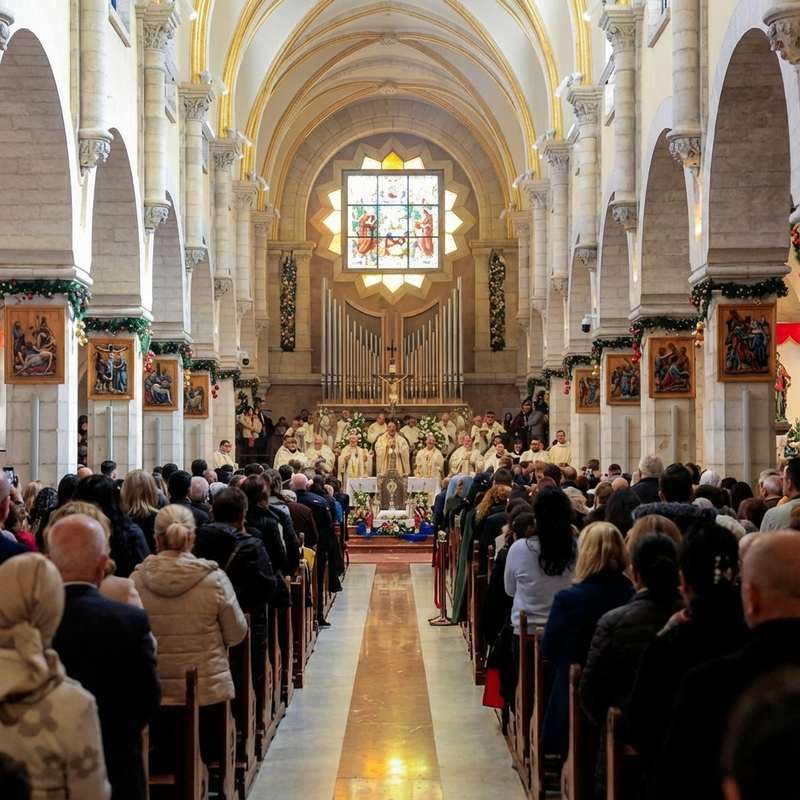
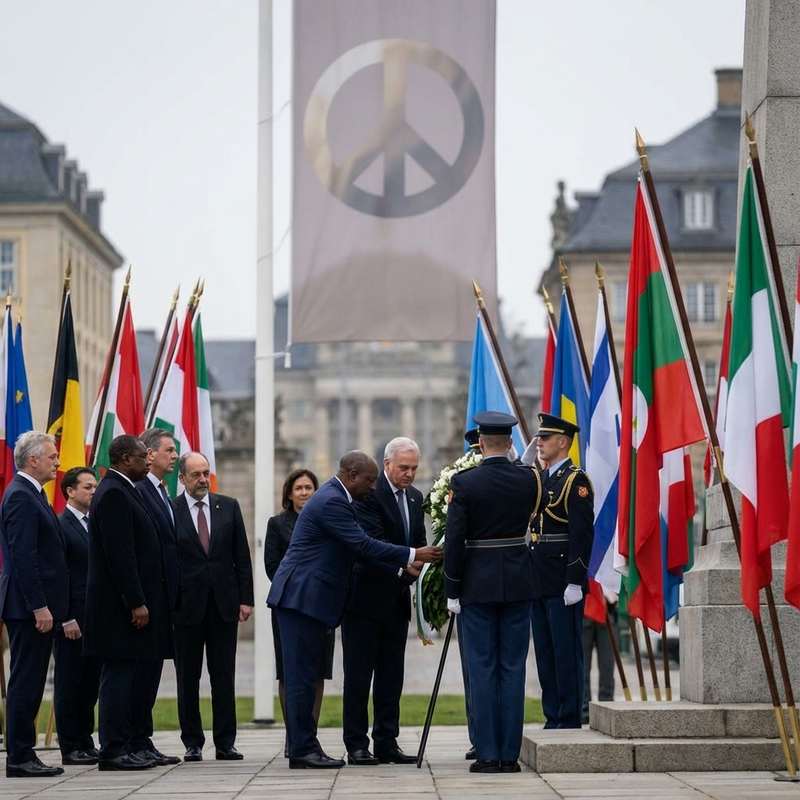
The impact of ritual extends beyond individual behavior to influence collective action and international cooperation. In diplomatic settings, rituals play a critical role in building trust and facilitating communication. Formal ceremonies, symbolic gestures, and shared traditions can create a sense of shared identity and purpose, fostering a more conducive environment for negotiation and collaboration. Similarly, in international organizations, rituals can reinforce norms and values, promoting adherence to international law and fostering a sense of collective responsibility.
That said, the reality is a bit more complicated. the relationship between ritual and geopolitics is not without its complexities. While rituals can promote social cohesion and cooperation, they can also be used to reinforce existing power structures and exclude marginalized groups. Nationalistic rituals, for example, can be used to cultivate a sense of superiority and justify aggressive foreign policies. Similarly, religious rituals can be used to promote intolerance and discrimination. Understanding India’s global position is important when analyzing geopolitical power dynamics.
Moreover, the effectiveness of rituals in shaping geopolitical strategy is constrained by various factors. Cognitive biases, emotional reactivity, and external pressures can all undermine the ability of individuals and organizations to act rationally and strategically. Furthermore, the increasing complexity of the global landscape requires a more nuanced and adaptive approach to decision-making. Rituals, while valuable, cannot replace critical thinking, evidence-based analysis, and strategic foresight. Topic basics are important to understand when discussing complex situations.
Despite these constraints, the resurgence of ritual offers a valuable lens through which to understand the evolving dynamics of global power and international relations. By recognizing the importance of individual cognitive processes, social cohesion, and cultural values, policymakers and strategists can gain a more comprehensive understanding of the forces shaping the world. This understanding can inform the development of more effective strategies for promoting peace, security, and prosperity in an increasingly complex and uncertain world. The key lies in harnessing the positive aspects of ritual while mitigating its potential risks, fostering a global environment where meaning-making and strategic decision-making are mutually reinforcing.
Editor’s note: This article was independently written by the Scoopliner Editorial Team using publicly available information.