Caribbean Tourism Forges a Path to Resilience: Beyond Recovery, Towards Sustainability
हिंदी में सुनें
Listen to this article in Hindi
Following Hurricane Melissa, the Caribbean pivots from recovery to sustainable tourism, addressing climate vulnerabilities and fostering regional resilience through public-private partnerships.
The Caribbean, a region heavily reliant on tourism revenue, faces a constant balancing act between economic prosperity and environmental vulnerability. Catastrophic weather events, increasingly frequent and intense due to climate change, pose an existential threat to the island nations and their economies. The recovery efforts following Hurricane Melissa in October 2025 highlight a broader shift in strategy, moving beyond simple restoration to a more comprehensive vision of sustainable resilience. This evolution necessitates a fundamental rethinking of tourism models and a deeper commitment to regional collaboration.
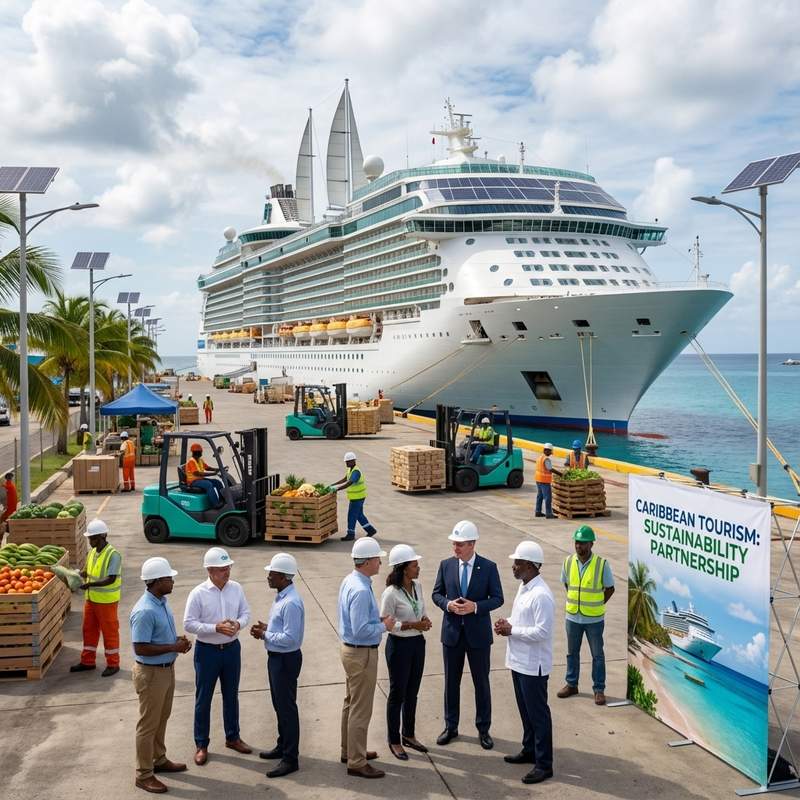
The power dynamics in the Caribbean tourism sector are complex. Multinational cruise lines, like Royal Caribbean, wield significant economic influence. Their investments in infrastructure and recovery efforts are often vital, but they also raise questions about equitable partnerships and the long-term sustainability of cruise-based tourism. The Iconic Summit underscored the critical need for governments to leverage this influence strategically, ensuring that tourism development aligns with national interests and environmental protection goals. This requires robust regulatory frameworks and a willingness to negotiate favorable terms that prioritize local community needs and long-term ecological health.
Furthermore, the focus on sustainable tourism development has significant policy implications. Governments must prioritize investment in climate-resilient infrastructure, including upgraded port facilities and renewable energy sources. The adoption of environmental technologies, such as shore power for cruise ships, is crucial to minimizing the industry's environmental footprint. These initiatives require substantial financial resources and technical expertise, necessitating international partnerships and access to climate finance mechanisms. Successfully transitioning to a sustainable tourism model will also demand comprehensive master planning that integrates environmental considerations, community development, and economic diversification.
The Caribbean's approach to tourism resilience has global ramifications. Small island developing states (SIDS) around the world face similar challenges in balancing economic development with climate vulnerability. The Caribbean's experiences in building resilience, fostering public-private partnerships, and implementing sustainable tourism practices can serve as a valuable model for other SIDS grappling with the impacts of climate change. The region's commitment to innovation and adaptation can inspire similar efforts globally, contributing to a more sustainable and resilient global tourism industry. The lessons learned in the Caribbean are particularly relevant for other regions vulnerable to extreme weather events and heavily reliant on tourism, such as Southeast Asia and the Pacific Islands.
That said, the reality is a bit more complicated. uncertainties and constraints remain. The pace of climate change could outstrip the region's adaptation efforts, leading to more frequent and severe weather events that overwhelm existing infrastructure and resources. The availability of financing for sustainable development projects is also a critical constraint. Securing adequate funding from international sources and attracting private investment will be essential to implementing the ambitious plans outlined at the Iconic Summit. Furthermore, the long-term success of these initiatives depends on sustained political will and effective governance to ensure that environmental regulations are enforced and that tourism development benefits local communities.
Ultimately, the Caribbean's response to Hurricane Melissa represents a pivotal moment in the region's approach to tourism. By embracing sustainable practices, fostering regional cooperation, and prioritizing climate resilience, the Caribbean is charting a path towards a more secure and prosperous future. The region's ability to navigate these challenges and build a truly sustainable tourism industry will not only benefit its own communities but also serve as a valuable example for other vulnerable regions around the world. The renewed focus on environmental protection and community involvement is a crucial step towards ensuring that tourism remains a viable engine for economic growth while safeguarding the region's natural and cultural heritage. Such strategic shifts are especially important in a world of rapid geopolitical change.
Editor’s note: This article was independently written by the Scoopliner Editorial Team using publicly available information.