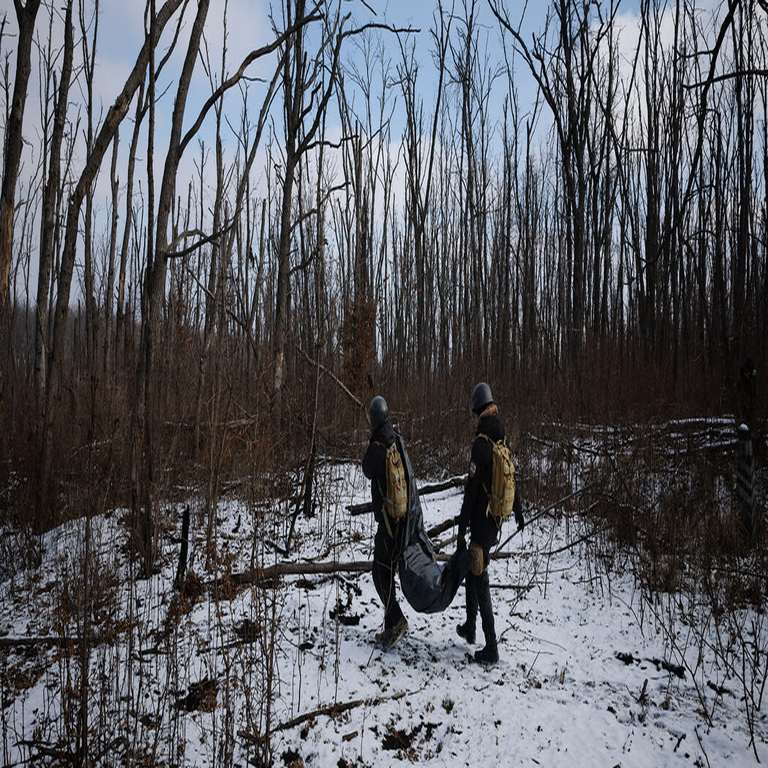
The Unfolding Consequences of Russia's Treatment of Soldiers
हिंदी में सुनें
Listen to this article in Hindi
Explore the geopolitical implications of Russia's military strategies and their impact on global alliances and stability.
The treatment of military personnel has always been a barometer for a nation's internal cohesion and broader geopolitical standing. In the case of Russia, recent reports have emerged detailing harsh conditions and brutal practices imposed on its soldiers, particularly in the context of ongoing military engagements. This situation raises critical questions regarding Russia's military efficacy, national morale, and the wider implications for global security.
The current geopolitical landscape, characterized by heightened tensions between Russia and Western nations, makes these developments particularly salient. As Russia continues to engage in conflicts that challenge its military resources and political legitimacy, the treatment of its soldiers could serve not only as a reflection of its internal stability but also as an indicator of its strategic direction. Poor treatment of troops could lead to increased dissent, affecting operational effectiveness and ultimately impacting Russia's military objectives.
Moreover, the implications of these practices extend beyond Russia's borders. As Western nations observe the situation, there is a potential for realignment in defense strategies and military partnerships. Countries that perceive Russia's military challenges as a threat may find opportunities to bolster their own defenses or enhance cooperation with allies. This dynamic could lead to an escalation of military spending and preparedness among states that feel vulnerable in the face of perceived Russian aggression.
The risks associated with Russia's treatment of its soldiers also pose strategic challenges for its leadership. A discontented military can lead to operational inefficiencies and even mutinies, which could destabilize the regime from within. The cascading effects of such unrest could provoke shifts in Russia's military doctrine, potentially leading to more desperate measures in conflict zones or against perceived adversaries.
In the broader context, the treatment of soldiers is entwined with public perception and national image. As information regarding these practices becomes more widely known, both domestically and internationally, Russia faces a growing challenge in maintaining its narrative of strength and unity. This could have long-term ramifications on public support for military endeavors and overall governance.
Furthermore, the potential for international scrutiny and condemnation could amplify Russia's isolation, particularly in the face of existing sanctions and diplomatic tensions. The treatment of soldiers could become a focal point for human rights discussions, further complicating Russia's position on the global stage and affecting its relationships with nations that prioritize human rights in their foreign policies.
Given these factors, the situation presents a complex landscape where the treatment of soldiers not only affects military efficacy but also shapes geopolitical alliances, domestic stability, and international perceptions of Russia. The interconnectedness of these elements underscores the importance of monitoring how such practices evolve and their potential ripple effects across the global arena.
So where does that leave things? the implications of Russia's military practices are multifaceted, influencing not just the immediate effectiveness of its armed forces but also the broader geopolitical dynamics at play. As nations assess their defense strategies in light of these developments, the potential for realignment and increased global tensions remains a critical consideration for policymakers worldwide.
Editor's note: This article was independently written by the Scoopliner Editorial Team using publicly available information.