Bears and Borders: The Unexpected Human-Wildlife Conflict in Japan
हिंदी में सुनें
Listen to this article in Hindi
Analyzing the geopolitical implications of rising bear attacks in Japan amidst demographic shifts and environmental challenges.
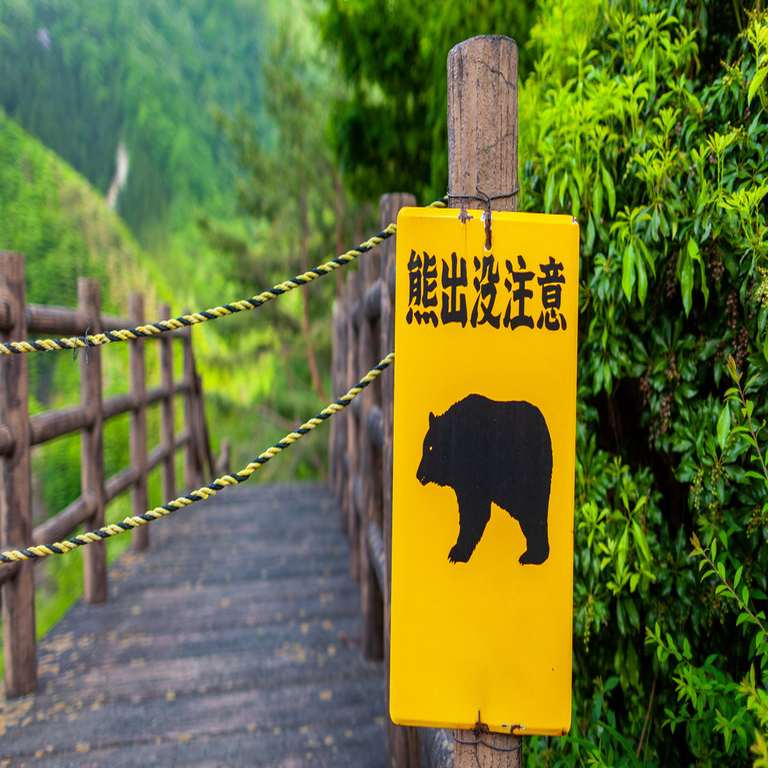
Japan, an island nation with a unique blend of advanced urban centers and expansive rural landscapes, is currently facing an unexpected challenge: a significant surge in bear attacks. This phenomenon, particularly evident in the Akita prefecture, highlights broader themes of environmental change, demographic shifts, and human-wildlife interactions that resonate beyond national borders.
As of late 2023, the unprecedented rise in bear encounters, with 235 reported attacks resulting in 13 fatalities, signals a disturbing trend that prompts a reevaluation of wildlife management strategies in Japan. The bear population, particularly in northern regions like Hokkaido, has been increasing, while the rural human population continues to decline. This demographic shift creates a vacuum where bears find themselves encroaching on human habitats more frequently, leading to heightened tensions and potential conflicts.
The implications of this human-wildlife conflict extend into the realm of public safety and urban planning. As rural areas see their populations dwindle, the remaining residents — often older individuals — face increased risks when engaging in traditional activities such as hiking or foraging. The urban-rural divide is becoming more pronounced, with rural areas lacking the financial and infrastructural resources to effectively manage wildlife threats, raising questions about the sustainability of these communities.
Moreover, climate change plays a critical role in this scenario. A shortage of natural food sources for bears, driven by changing environmental conditions, is pushing these animals into closer proximity to human settlements in search of sustenance. This not only complicates wildlife management efforts but also underscores the interconnectedness of climate issues and biodiversity. As species adapt to changing ecosystems, the consequences are felt by human populations, creating a complex web of challenges that requires multidisciplinary approaches to address.
The situation in Japan also reflects global trends in human-wildlife interactions, as urbanization and climate change create new pressures on both wildlife and people. Countries around the world are grappling with similar issues, making Japan's experience a case study of potential solutions and strategies. The Japanese response, including measures such as increased patrols in bear-prone areas and community engagement, could provide insights for other regions facing similar challenges.
In the context of international relations, Japan's rise in bear encounters may seem localized, but it has broader implications for environmental diplomacy and conservation efforts. As countries increasingly recognize the importance of biodiversity and ecosystem health, Japan's approach to managing its bear population could inform global conversations about sustainable practices and wildlife conservation. Collaborative efforts across borders may be necessary to address the root causes of these conflicts.
That said, the reality is a bit more complicated. the risks associated with managing wildlife populations remain significant. The potential for accidents or mismanagement could lead to negative outcomes for both humans and bears. Additionally, there is the challenge of balancing community safety with the preservation of wildlife, which can evoke strong emotional and cultural responses from local populations.
Ultimately, Japan's struggle with bear attacks serves as a microcosm of broader environmental and societal changes. The dynamics at play illustrate the necessity for adaptive management strategies that consider both ecological and human factors. As Japan navigates this complex landscape, the lessons learned could resonate well beyond its borders, contributing to the global dialogue on human-wildlife coexistence in an era of rapid change.
Editor's note: This article was independently written by the Scoopliner Editorial Team using publicly available information.