The Implications of Global AI Licensing Deals on India's Tech Ecosystem
हिंदी में सुनें
Listen to this article in Hindi
Exploring how global AI partnerships shape India's technology sector and investment climate.
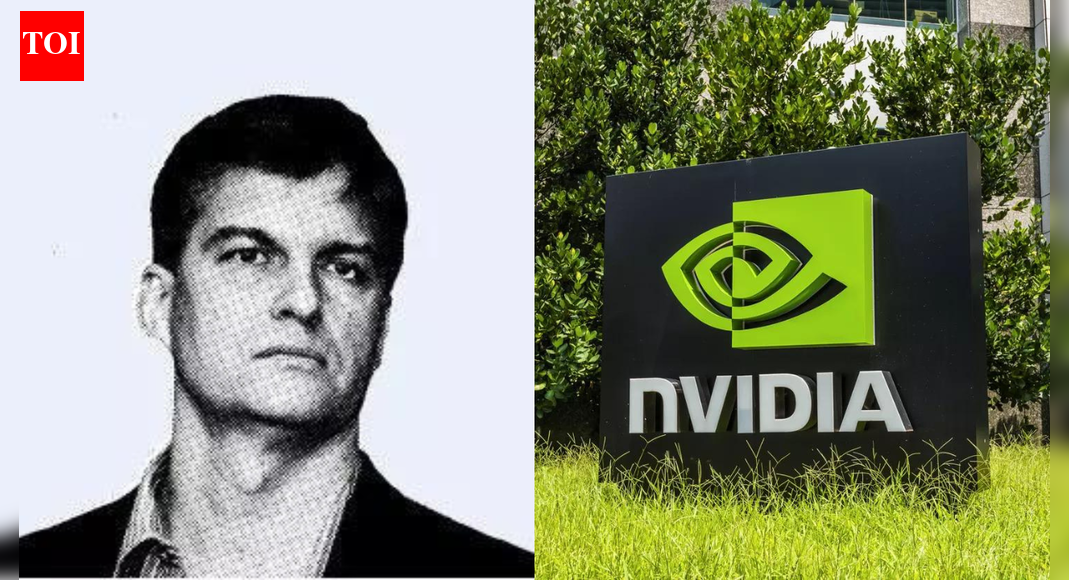
The recent non-exclusive licensing deal between Nvidia and the AI chip startup Groq, valued at approximately $20 billion, serves as a compelling lens through which to examine the evolving dynamics of the global technology landscape and its implications for India’s burgeoning tech ecosystem. This agreement not only highlights the increasing relevance of AI technologies but also underscores a significant shift in how tech companies structure their partnerships to navigate competitive and regulatory landscapes. For Indian investors and tech entrepreneurs, the ramifications of such high-profile collaborations are profound, potentially redefining market sentiment and investment strategies across the sector.
While the deal itself does not entail equity transfer, the immediate financial benefits to Groq employees and shareholders signal a growing trend in the tech industry where substantial upfront payouts are becoming the norm. As Groq prepares to distribute about 85% of the licensing fee upfront, it raises questions about liquidity and cash flow within the tech ecosystem. Such substantial financial movements have a ripple effect, influencing investor sentiment and attracting more capital into the Indian tech sector, which is already witnessing a surge in funding and entrepreneurial activity. When large players like Nvidia engage in these kinds of strategic partnerships, they create an environment ripe for innovation and investment, leading Indian tech companies to reassess their strategies and growth potential.
The implications of this deal extend beyond immediate financial benefits; they also signal a shift in competitive strategies among tech firms. By opting for a licensing agreement rather than a full acquisition, Nvidia is navigating a landscape marked by antitrust concerns. This approach allows Groq to maintain its independence while leveraging Nvidia’s extensive resources and market reach. For Indian startups, this model presents an opportunity to explore similar arrangements, emphasizing collaboration over consolidation. As the Indian tech ecosystem matures, entrepreneurs may find that strategic partnerships can provide access to capital and technology without relinquishing control over their innovations, fostering a culture of collaboration that could enhance India's competitive edge in the global market.
Furthermore, as key personnel, including Groq's founder and president, transition to Nvidia, it underscores the importance of talent mobility in the tech sector. This trend is particularly relevant for India, which has a vast pool of tech talent. The movement of skilled professionals between firms can lead to knowledge transfer and innovation diffusion within the industry. As Indian companies seek to attract and retain top talent, they must create environments that promote growth, creativity, and value creation. This will be vital in ensuring that India remains a competitive player in the global tech landscape, especially as AI technologies become increasingly critical to various sectors, from finance to healthcare.
Moreover, the structure of the Nvidia-Groq deal may influence investor behavior in the Indian markets. As investors become more attuned to the strategic significance of licensing agreements, they may shift their focus toward companies that demonstrate robust technology portfolios and innovative capabilities. This could lead to increased valuations for Indian tech firms engaged in AI and machine learning, as investors seek to capitalize on the potential for high returns in these rapidly evolving sectors. The interplay between global tech giants and emerging startups will likely shape market trends, making it imperative for Indian investors to stay informed about global developments and their local implications.
The potential for volatility in the Indian markets cannot be overlooked. As the tech sector continues to attract significant attention, fluctuations in global sentiment can lead to rapid shifts in investment patterns. For instance, if a wave of similar licensing deals emerges, it could create a bullish sentiment, prompting more investments and potentially inflating valuations. Conversely, any regulatory backlash or market corrections in the wake of such high-profile partnerships could lead to a dip in investor confidence. Thus, understanding the broader context of these global developments is crucial for gauging the sentiment and liquidity in the Indian markets.
So where does that leave things? Nvidia's licensing agreement with Groq is not merely a financial transaction; it represents a strategic maneuver that reflects broader trends in the tech industry. For Indian investors and entrepreneurs, the implications of this deal are multifaceted, influencing market sentiment, investment strategies, and the competitive landscape. As India positions itself as a critical player in the global tech arena, the ability to adapt to these changes will be paramount. The evolving nature of partnerships in the tech sector, particularly in AI, suggests a future where collaboration fuels innovation, and the Indian market must be ready to embrace these shifts to harness growth opportunities effectively.
Editor's note: This article was independently written by the Scoopliner Editorial Team using publicly available information.