Activism's Shifting Terrain: Domestic Laws, Global Protests, and the Erosion of Boundaries
हिंदी में सुनें
Listen to this article in Hindi
Analysis of how domestic terrorism laws are being applied to international protest movements, blurring lines between legitimate dissent and security threats, with global implications.
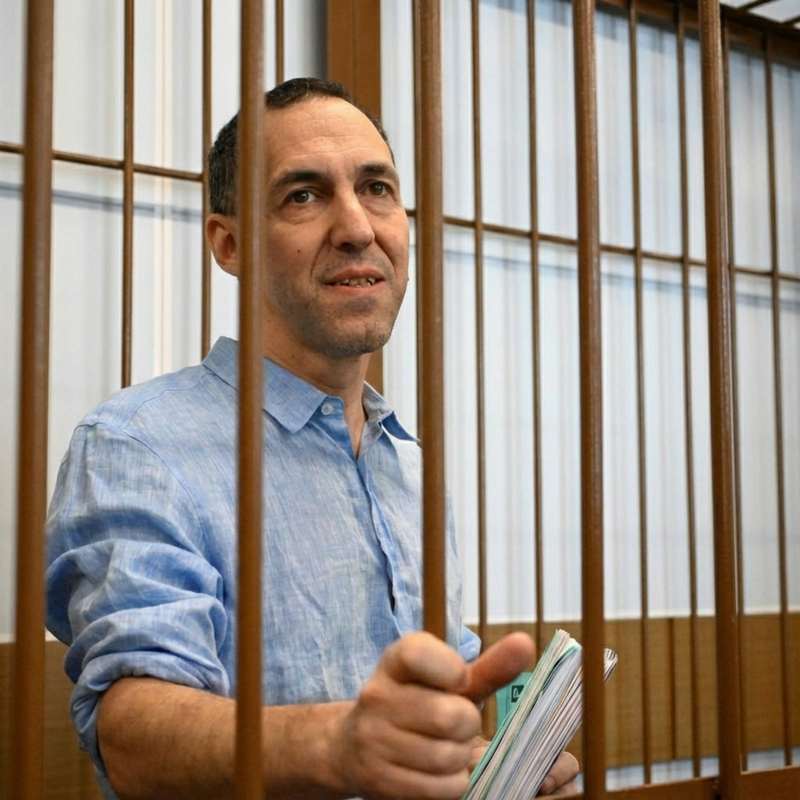
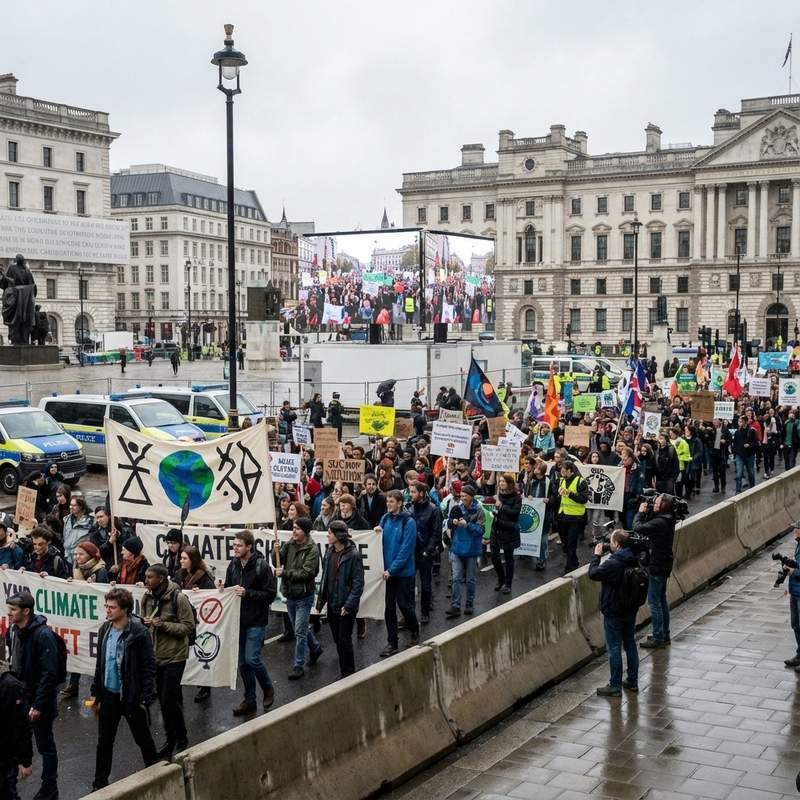
The intersection of domestic counter-terrorism legislation and international protest movements is becoming increasingly fraught. While initially designed to address internal security threats, these laws are now being leveraged against individuals and groups expressing solidarity with foreign causes, raising complex questions about the boundaries of free speech and the legitimate scope of state power. The application of terrorism-related charges to actions linked to international conflicts, such as the Israeli-Palestinian conflict, introduces a new dimension to the regulation of political dissent and has far-reaching consequences for global activism.
The core issue revolves around the legal definition of 'terrorism' and its application to acts of protest. Many counter-terrorism laws broadly define terrorism to include acts intended to influence or coerce a government, or to disrupt essential services. This ambiguity creates a gray area where non-violent protests, particularly those targeting companies or institutions perceived as complicit in foreign government actions, can potentially fall under the purview of these laws. The decision to label a protest group as a 'terrorist' organization carries significant weight, as it effectively criminalizes any association with that group, including expressing support or solidarity. This chilling effect on free speech is amplified when individuals are arrested for displaying signs or engaging in symbolic acts of solidarity with such groups, as the act of protest becomes inextricably linked to the alleged terrorist activity.
This trend has several important geopolitical implications. First, it creates a divergence in how different states interpret and apply international human rights norms, particularly the right to freedom of expression. While some states prioritize national security concerns and adopt a stricter approach to regulating protest movements, others may be more tolerant of dissenting voices. This divergence can lead to diplomatic tensions and undermine international cooperation on issues related to human rights and civil liberties. Second, the application of terrorism laws to international protest movements can fuel perceptions of double standards and hypocrisy. Critics argue that states are more likely to invoke these laws against activists who are critical of certain foreign governments or policies, while turning a blind eye to similar actions taken in support of other causes. This perception of bias can erode trust in the rule of law and undermine the legitimacy of state institutions. For example, countries like India, with its own complex history of managing internal dissent and external pressures, are watching these developments closely to understand the evolving global standards for dealing with political activism.
Furthermore, the use of terrorism laws to suppress international protests can have unintended consequences for global security. By criminalizing legitimate forms of dissent, states risk alienating marginalized communities and pushing individuals towards more extreme forms of activism. This can create a breeding ground for radicalization and violence, thereby undermining the very security that these laws are intended to protect. The global impact of this phenomenon extends beyond individual cases, potentially influencing the landscape of international relations and the dynamics of conflict resolution.
That said, the reality is a bit more complicated. significant uncertainties and constraints remain. The effectiveness of these laws in deterring terrorism is questionable, and there is a risk that they will be used disproportionately against vulnerable groups or individuals. The lack of clear legal standards and the potential for political abuse also pose a challenge to the fair and impartial application of these laws. The long-term implications of this trend for the future of global activism and the protection of human rights remain uncertain.
So where does that leave things? the application of domestic terrorism laws to international protest movements represents a significant shift in the regulation of political dissent. While states have a legitimate interest in protecting national security, it is crucial to ensure that these laws are not used to stifle legitimate expression or to silence dissenting voices. A balanced approach that respects both security concerns and fundamental human rights is essential to preserving the integrity of the rule of law and preventing the erosion of democratic values. It is also imperative that international standards for the protection of freedom of expression are upheld and that states refrain from using counter-terrorism laws as a pretext for suppressing political opposition.
Editor’s note: This article was independently written by the Scoopliner Editorial Team using publicly available information.