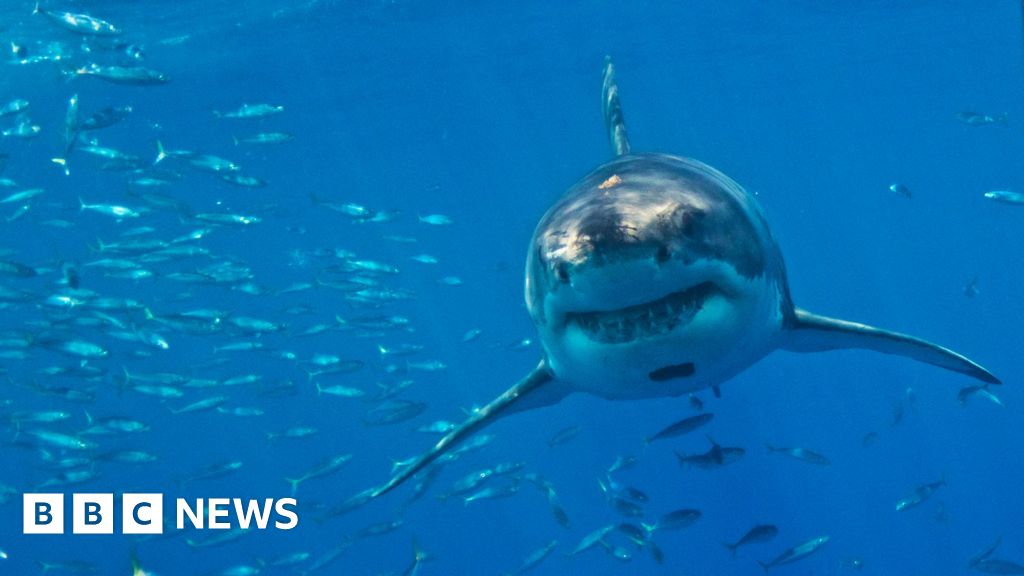
The Decline of Great White Sharks in the Mediterranean: A Geopolitical Concern
हिंदी में सुनें
Listen to this article in Hindi
Exploring the geopolitical ramifications of the decline of great white sharks in the Mediterranean due to illegal fishing practices.
The decline of great white sharks in the Mediterranean Sea is not merely an environmental issue but one that intersects with broader geopolitical dynamics. As these apex predators face the threat of extinction due to illegal fishing practices, the implications extend beyond ecological consequences, hinting at the underlying tensions and alignments within the region. This development illustrates the precarious balance between local economies reliant on fishing and international conservation laws aimed at protecting biodiversity.
The Mediterranean Sea, characterized by its rich biodiversity, has long been a focal point for both economic activity and environmental conservation efforts. That said, the reality is a bit more complicated. the increasing rate of illegal fishing, particularly for protected species like the great white shark, underscores a critical tension between local practices and global conservation mandates. The sale of these sharks in North African markets reflects a clash between traditional fishing livelihoods and the urgent need for sustainable practices that align with international laws.
Currently classified as Critically Endangered, the great white shark population in the Mediterranean has been decimated by years of industrial fishing. The significant decline in their numbers raises alarms about the health of marine ecosystems, as the removal of apex predators can lead to cascading effects throughout the food web. This ecological imbalance is a pressing concern not only for marine biodiversity but also for coastal communities that depend on healthy fish populations for their livelihoods.
The illegal fishing of great white sharks also highlights the challenges of enforcement in the Mediterranean. Despite existing protections under international law, the monitoring and regulation of fishing practices remain inconsistent across national borders, particularly in North Africa where oversight is limited. This raises questions about regional cooperation and the commitment of local governments to uphold international agreements.
Moreover, the decline of great white sharks could have implications for tourism, an essential economic driver for several Mediterranean countries. Ecotourism, including shark diving and marine wildlife tours, has the potential to offer sustainable income alternatives to local communities. That said, the reality is a bit more complicated. the diminishing presence of these iconic species can deter tourists and undermine this economic opportunity, further complicating the socio-economic landscape.
The issue of great white shark conservation serves as a microcosm for broader geopolitical themes in the Mediterranean. The interplay of economic interests, conservation efforts, and regulatory challenges reflects the complexities of managing shared resources in a region marked by diverse national interests and varying levels of commitment to environmental stewardship.
The future of great white sharks in the Mediterranean is uncertain, with researchers warning of their potential extinction if current trends continue. This situation necessitates a reevaluation of regional fishing practices, enforcement of protective measures, and a collaborative approach to conservation that includes all stakeholders from fishermen to policymakers.
In summary, the plight of great white sharks in the Mediterranean is emblematic of the broader tensions between economic necessity and environmental protection. As the pressures on marine ecosystems increase, the need for concerted action becomes ever more critical, not only for the survival of these majestic creatures but also for the health of the Mediterranean region as a whole.
Editor's note: This article was independently written by the Scoopliner Editorial Team using publicly available information.