Geopolitical Uncertainty Fuels Flight to Safety: Implications for Indian Investors
हिंदी में सुनें
Listen to this article in Hindi
Geopolitical tensions and a weakening dollar are driving demand for safe-haven assets. What does this mean for Indian investors and market volatility?
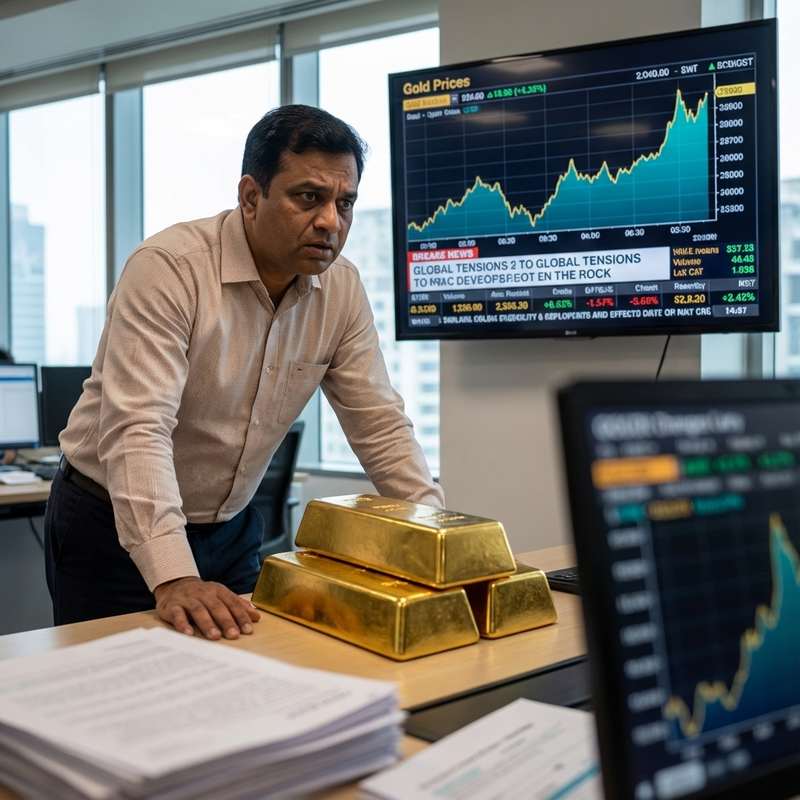
The narrative dominating global financial markets isn't about rate hikes or economic growth forecasts; it's about the escalating undercurrent of geopolitical instability. This anxiety, more than any single economic data point, is the primary driver behind the recent surge in demand for traditional safe-haven assets like gold and silver, and it's reshaping investment strategies across the globe, including within India.
While India's economic growth story remains relatively robust, its inherent interconnectedness with the global economy makes it vulnerable to the ripple effects of international crises. The heightened uncertainty stemming from conflicts and escalating tensions in various regions acts as a persistent drag on overall market sentiment. Indian investors, traditionally inclined towards gold as a store of value, are likely to see their conviction reinforced in this environment. This increased demand, however, can exert subtle pressures on the Indian Rupee, particularly if capital flows are diverted away from other asset classes.
The weakness of the US dollar, a key factor influencing the price of precious metals, further complicates the picture for Indian investors. A weaker dollar makes gold and silver relatively cheaper for those holding Rupees, potentially amplifying the demand within the domestic market. This creates a dual-edged sword: while it may provide a hedge against global uncertainty, it also raises concerns about imported inflation, particularly if the Rupee also weakens against other major currencies. This is where understanding the nuances of RBI policy becomes crucial for navigating the market.
The implications extend beyond individual investors. Institutional investors in India, managing large portfolios, are also reassessing their risk exposure. A prolonged period of geopolitical instability could trigger a shift in asset allocation strategies, with a greater emphasis on defensive sectors and less exposure to highly volatile emerging markets. This realignment could lead to a temporary dip in certain segments of the Indian stock market, highlighting the need for diversification and a long-term investment horizon. It's a reminder that even the most promising growth stories can be tempered by external headwinds. Understanding stock market basics can help new investors weather these periods of volatility.
That said, the reality is a bit more complicated. the situation isn’t without its limits. The Indian government's efforts to promote digital gold and other alternative investment options might temper the surge in physical gold demand to some extent. Furthermore, a sudden resolution to any of the major geopolitical conflicts could trigger a rapid reversal in safe-haven flows, potentially leading to losses for those who entered the market at peak prices. The inherent volatility of commodity markets also means that these trends are subject to unpredictable swings. The impact of global events on the Indian economy should also be considered.
Ultimately, the current environment underscores the importance of a balanced and informed investment approach. While the allure of safe-haven assets during times of uncertainty is understandable, Indian investors should carefully consider their risk tolerance, diversification needs, and the potential for market corrections before making any significant portfolio adjustments. The key is not to chase short-term gains but to build a resilient investment strategy that can withstand the ebbs and flows of the global economy.
Editor’s note: This article was independently written by the Scoopliner Editorial Team using publicly available information.