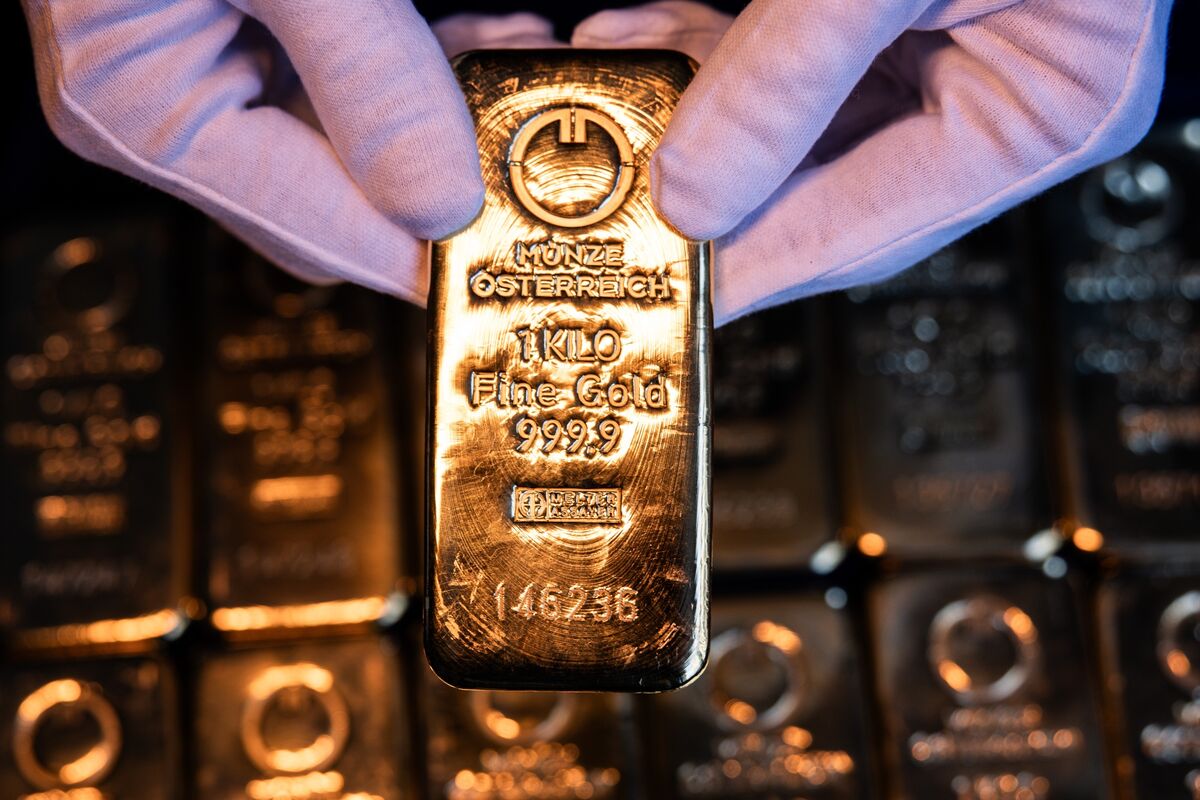
The Golden Paradox: Why Record Gold Prices Reflect Economic Uncertainty, Not Just Wealth
हिंदी में सुनें
Listen to this article in Hindi
Gold hits record highs. Is it a safe haven, a sign of economic instability, or a speculative bubble? Our analysis explores the factors driving the surge.
Gold, the lustrous yellow metal that has captivated civilizations for millennia, is once again making headlines. But this time, it's not tales of ancient treasures or daring heists; it's the cold, hard reality of a new all-time high. While the immediate reaction might be to picture Wall Street tycoons swimming in gold bars, the story behind this surge is far more nuanced, and frankly, a little unsettling for the average person. It speaks volumes about the current state of the global economy, and understanding its drivers is crucial for anyone looking to protect their financial future.
At its core, gold’s enduring appeal lies in its perceived status as a safe haven. In times of economic turmoil, political instability, or rampant inflation, investors flock to gold as a store of value, a hedge against the erosion of purchasing power. Unlike currencies, which are susceptible to devaluation by government policy, or stocks, which can plummet with market sentiment, gold has historically maintained its value, acting as a kind of financial anchor in stormy seas.
But why now? The confluence of factors pushing gold to record levels paints a complex picture. One major driver is the expectation of future interest rate cuts by central banks, particularly the Federal Reserve. When interest rates are low, or expected to fall, the opportunity cost of holding gold – which doesn’t generate interest income – decreases. This makes gold more attractive relative to interest-bearing assets like bonds. The anticipation of looser monetary policy, therefore, acts as a tailwind for gold prices. Further, considering the Indian economy and its relationship with gold, the metal is not just an investment but a cultural touchstone, further driving demand.
Geopolitical tensions also play a significant role. Heightened uncertainty surrounding international relations, trade disputes, and armed conflicts invariably boost gold's safe-haven appeal. Investors seek refuge in gold when traditional markets become too volatile, driving up demand and pushing prices higher. The logic is simple: when the world feels unstable, gold feels solid.
That said, the reality is a bit more complicated. it’s crucial to avoid oversimplification. While these factors undoubtedly contribute to gold’s rally, there's a risk of viewing it solely through the lens of fear and uncertainty. A portion of the demand is driven by speculative investment, with traders and institutions betting on further price increases. This speculative element can amplify price swings and create a self-fulfilling prophecy, at least in the short term.
So, what are the implications for the average person? First, it signals a need to be more aware of the broader economic landscape. Rising gold prices are a symptom, not the disease. They reflect underlying anxieties about inflation, economic growth, and global stability. Ignoring these concerns is akin to ignoring a warning light on your car’s dashboard.
Second, it highlights the importance of diversification. While gold can be a valuable component of a well-balanced portfolio, it shouldn’t be the only asset. Over-reliance on any single investment, especially one as volatile as gold can be, is a recipe for potential disaster. Spreading investments across different asset classes, such as stocks, bonds, and real estate, helps to mitigate risk and improve long-term returns. The RBI and its role in shaping economic policy are also important to watch, as these moves can influence investment decisions.
Finally, it serves as a reminder to approach investment decisions with caution and due diligence. Before jumping on the gold bandwagon, it’s essential to understand the risks involved. Gold prices can be volatile and are subject to sudden corrections. Relying solely on headlines and hype can lead to costly mistakes. Instead, consult with a qualified financial advisor and conduct thorough research before making any investment decisions. Remember, chasing short-term gains can often lead to long-term pain. The topic basics for readers are understanding their own risk tolerance and financial goals before making any investment decisions.
The golden paradox, therefore, is this: While rising gold prices may seem like a sign of wealth and prosperity, they are often a reflection of underlying economic anxieties. Understanding the drivers behind this surge is crucial for making informed financial decisions and navigating the increasingly complex world of investing. Gold might glitter, but it's the economic realities it reflects that demand our attention.