Navigating the Precious Metals Landscape: Consolidation Amidst Supply Constraints
हिंदी में सुनें
Listen to this article in Hindi
A deep dive into the current state of gold and silver prices in India, focusing on supply constraints and industrial demand.
In recent years, the dynamics of the precious metals market have undergone a significant transformation, reflecting both global economic signals and domestic consumer behavior. The interplay between supply constraints and industrial demand is shaping the trajectory of gold and silver prices in India, offering insights into the broader economic landscape. As we step into 2026, the consolidation phase observed in the precious metals market should be interpreted as a strategic pause, consolidating the gains made during an unprecedented rally in 2025 rather than a signal of weakness.
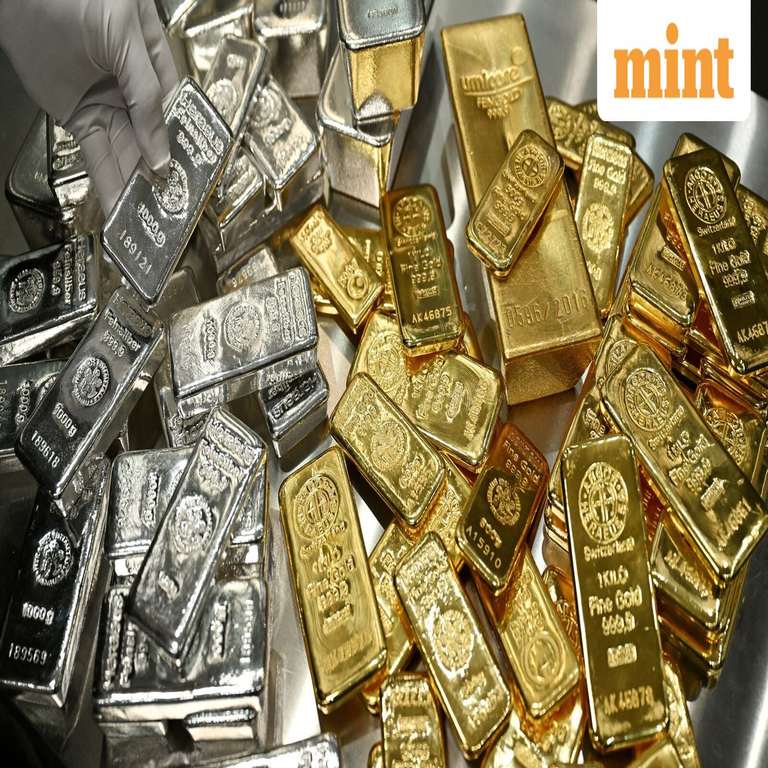
The recent movements in gold and silver prices underscore this sentiment. The February gold contract on the Multi Commodity Exchange (MCX) has shown marginal gains, reaching ₹1,35,890, after a year characterized by extensive growth. This rebound, albeit modest, is indicative of a market that remains fundamentally strong despite a necessary correction phase. The same goes for silver, which, while slightly fluctuating, has shown resilience backed by its dual role as both a precious metal and an industrial asset.
At the heart of this market behavior lies a combination of persistent supply constraints and robust industrial demand. As industries pivot towards sustainable solutions, the demand for silver—widely used in solar panels and electric vehicles—has surged. This industrial appetite, paired with the safety that precious metals offer during economic uncertainties, has created a unique market environment. Here, supply-side challenges, particularly in silver, may lead to upward pressure on prices as the gap between demand and supply widens. This scenario is exacerbated by the ongoing central bank accumulation of gold, which further solidifies its status as a safe haven amidst global economic shifts.
The implications for Indian investors are profound. The sustained consolidation phase in precious metals provides a crucial opportunity for investors to recalibrate their strategies. The broader bullish structure in gold, supported by technical levels around ₹1,35,700, indicates potential upward movement towards ₹1,36,000 to ₹1,36,500. This creates a favorable backdrop for long-term investment strategies, particularly for those navigating the complexities of the Indian economy. The market's current sentiment reflects a cautious optimism, which is essential for maintaining liquidity and managing volatility in the coming months.
From a macroeconomic perspective, understanding how these trends interact with the Reserve Bank of India's (RBI) monetary policy is crucial. The RBI's potential for interest rate adjustments, in response to global economic conditions, will undoubtedly influence investor behavior in the precious metals market. As the RBI weighs its policy options, the consequent shifts in interest rates could either bolster or dampen demand for gold and silver as alternative investment vehicles. Hence, the nexus between RBI policy and precious metals becomes a pivotal point for investors looking to navigate this landscape effectively.
Moreover, as liquidity in the market fluctuates, precious metals could serve as a hedge against inflationary pressures that often accompany economic recovery phases. The consolidation phase, while seemingly subdued, may effectively create a buffer for investors to reassess their positions. The historical tendency of gold and silver to act as safe havens during times of economic uncertainty amplifies their attractiveness in the current climate.
That said, the reality is a bit more complicated. it is essential to recognize that the market is not without its risks. The potential for geopolitical tensions, fluctuations in global demand, and changes in industrial usage could introduce volatility. Investors must remain vigilant and adaptable, as the ongoing consolidation period may be susceptible to shifts in sentiment and external pressures. The confluence of these factors may lead to sudden market movements, emphasizing the importance of a well-informed investment strategy.
Looking ahead, it is clear that the interplay between supply constraints and industrial demand will remain a dominant theme in the precious metals market. Investors should consider this dynamic in their broader portfolio strategies, particularly in the context of the Indian economy. As global participation in the markets normalizes, the potential for upward movement in both gold and silver remains tangible, reinforcing the notion that this consolidation phase is merely a precursor to future growth.
So where does that leave things? the current state of gold and silver prices in India reflects a complex interplay of global economic signals, domestic consumer behavior, and market dynamics. The consolidation phase, viewed through the lens of supply constraints and industrial demand, presents a unique opportunity for informed investors. As the market prepares to navigate 2026, understanding these underlying themes will be crucial for making strategic investment decisions in the evolving landscape of precious metals.
Editor's note: This article was independently written by the Scoopliner Editorial Team using publicly available information.