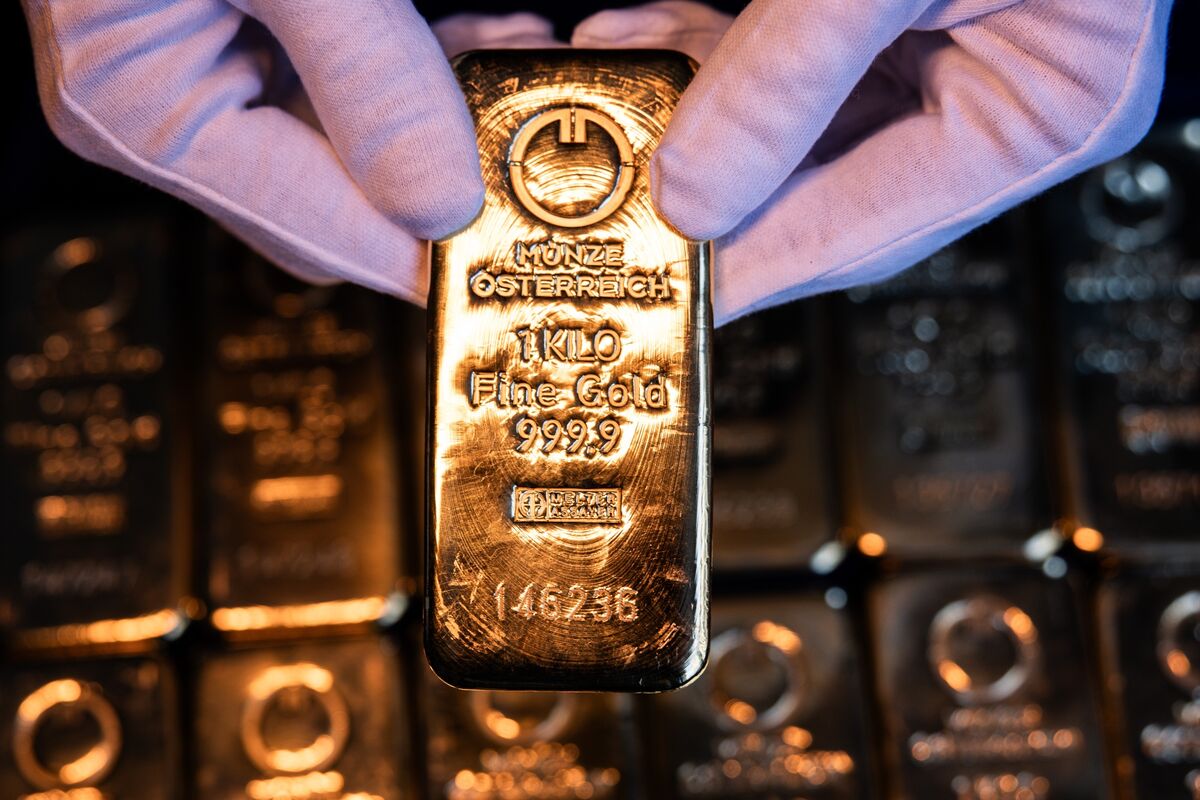
The Siren Song of $10,000 Gold: Beyond the Headlines and Hype
हिंदी में सुनें
Listen to this article in Hindi
A $10,000 gold price seems far-fetched. We cut through the noise to examine the drivers, risks, and what it means for your portfolio.
The financial world is awash with bold predictions. A recent forecast suggesting both gold and the S&P 500 could hit $10,000 by the end of the decade has certainly grabbed headlines. But before you rush to reallocate your entire portfolio, it's crucial to dissect the underlying assumptions and consider the broader economic landscape that would need to materialize for such a scenario to unfold.
Why does this matter to you? Because even if the $10,000 target proves overly optimistic, understanding the *drivers* behind such a forecast – inflation, geopolitical uncertainty, and evolving monetary policy – is essential for making informed investment decisions. Ignoring these factors could leave you vulnerable to market volatility and missed opportunities.
Gold, traditionally a safe-haven asset, thrives on uncertainty. Geopolitical instability, from ongoing conflicts to trade wars, fuels demand as investors seek a store of value outside traditional currencies and equities. We've seen this play out in real-time, with gold prices reacting sharply to events like the war in Ukraine and escalating tensions in the South China Sea. A prolonged period of global instability would undoubtedly bolster gold's appeal.
Furthermore, persistent inflation, even at levels lower than the peaks of recent years, erodes the purchasing power of fiat currencies. Gold, often viewed as an inflation hedge, tends to perform well in such environments. Central banks' responses to inflation, particularly decisions regarding interest rates, also play a crucial role. Aggressive rate hikes can dampen gold's appeal by making interest-bearing assets more attractive, while dovish policies can provide a boost.
That said, the reality is a bit more complicated. the path to $10,000 gold isn't without its obstacles. A significant decline in geopolitical tensions, a period of sustained economic growth with controlled inflation, and a shift towards tighter monetary policy could all put downward pressure on gold prices. Moreover, technological advancements, such as the rise of cryptocurrencies as alternative safe-haven assets, could siphon off some of the demand for gold.
It's also important to consider the supply side of the equation. While gold production has remained relatively stable, significant discoveries of new deposits could increase supply and potentially limit price appreciation. Furthermore, central bank policies regarding their gold reserves can have a substantial impact. Coordinated selling of gold reserves by multiple central banks could flood the market and depress prices.
The relationship between gold and the S&P 500, often described as inversely correlated in the short term, is a crucial factor to consider. While both could theoretically reach $10,000 in the long run, the conditions that would drive such a scenario are likely to be quite different for each asset class. For the S&P 500, sustained economic growth, technological innovation, and strong corporate earnings are essential. A significant economic downturn, a prolonged period of high inflation, or a major geopolitical shock could derail this trajectory. Investors should also be aware of the potential for increased volatility in the stock market, particularly in sectors heavily reliant on emerging technologies like artificial intelligence.
Understanding the intricacies of the Indian economy is also paramount for domestic investors. Factors such as government policies, infrastructure development, and the growth of the middle class can significantly impact the performance of Indian equities and the demand for gold. Furthermore, the RBI's monetary policy decisions play a crucial role in shaping the investment landscape.
Ultimately, the $10,000 target for gold is just one possible scenario. A responsible investment strategy requires a diversified portfolio that takes into account a range of potential outcomes. Don't put all your eggs in one basket, and be prepared to adjust your strategy as market conditions evolve. Instead of chasing headlines, focus on understanding the underlying economic drivers and making informed decisions that align with your long-term financial goals. Consider exploring different asset allocations based on your risk tolerance and investment horizon. Remember, investing is a marathon, not a sprint.
Topic basics for readers: Before making any investment decisions, understanding the fundamentals of gold investing is crucial. From different ways to invest in gold (physical gold, ETFs, gold mining stocks) to understanding the factors that influence its price, knowledge is power.
RBI / policy explainer: Keep abreast of the Reserve Bank of India's monetary policy decisions, as these have a direct bearing on interest rates, inflation, and the overall investment climate in India. Understanding the nuances of repo rates, reverse repo rates, and other policy tools is essential for making informed investment decisions.
Indian economy / science / health context: Consider how broader trends in the Indian economy, such as infrastructure development, technological advancements, and improvements in healthcare, can impact investment opportunities and the demand for different asset classes. A holistic understanding of India's economic landscape is crucial for long-term investment success.