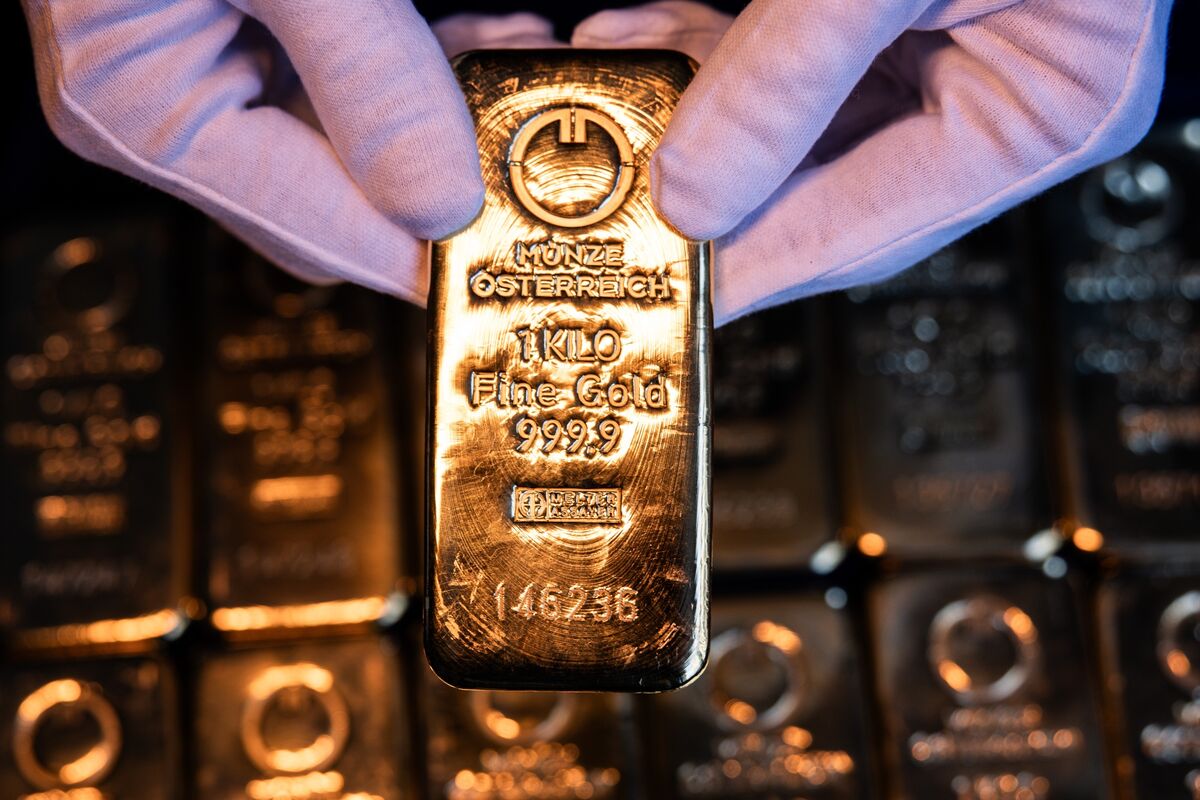
Gold Rush 2.0: Is the Glitter Here to Stay, or a Fleeting Fortune?
हिंदी में सुनें
Listen to this article in Hindi
Gold prices are hitting record highs. Is it a smart investment? We break down the drivers, risks, and what it means for your portfolio.
The allure of gold is primal. For millennia, it has represented wealth, power, and security. In times of turmoil, the glint of the yellow metal seems to grow even brighter, drawing investors like moths to a flame. But is this current gold rush a solid investment strategy, or just another bubble waiting to burst? Understanding the complex forces driving gold's recent surge is crucial for anyone considering adding it to their portfolio.
The traditional appeal of gold stems from its perceived status as a safe haven asset. Unlike stocks or bonds, gold isn't tied to the performance of a specific company or government. Its value is often seen as inversely correlated with economic uncertainty and currency devaluation. When traditional investments falter, investors often flock to gold, driving up its price. This flight to safety is a key driver behind the recent surge, fueled by geopolitical tensions, persistent inflationary pressures, and anxieties about global economic growth.
One of the most significant factors influencing gold prices is the monetary policy of central banks, particularly the US Federal Reserve. Lower interest rates tend to weaken the dollar, making gold cheaper for international buyers and increasing its attractiveness as an alternative investment. Conversely, rising interest rates can strengthen the dollar and dampen gold's appeal. Expectations of future rate cuts, or even pauses in rate hikes, can therefore create a bullish environment for gold. To understand how the Reserve Bank of India (RBI) handles its monetary policy, it’s important to delve into the policy explainer to see the Indian context.
Beyond interest rates, inflation plays a crucial role. Gold is often viewed as a hedge against inflation, as its value tends to rise during periods of rising prices. This is because inflation erodes the purchasing power of fiat currencies, making tangible assets like gold more attractive. That said, the reality is a bit more complicated. the relationship between gold and inflation isn't always straightforward. In some cases, other assets, like real estate or inflation-protected securities, may offer better inflation protection.
Central bank buying is another key factor influencing gold demand. Several central banks around the world have been actively increasing their gold reserves in recent years, diversifying away from the US dollar and other traditional reserve assets. This increased demand puts upward pressure on gold prices, contributing to the current rally.
While gold's safe-haven appeal and inflation-hedging properties are well-established, it's important to acknowledge the potential risks and limitations of investing in the yellow metal. Gold doesn't generate any income. Unlike stocks that pay dividends or bonds that pay interest, gold simply sits there. Its value depends entirely on what someone else is willing to pay for it in the future. This makes it a purely speculative investment, meaning its price can be highly volatile and susceptible to market sentiment. For context on the Indian economy and how this affects the gold market, it’s worth checking out our in-depth analysis.
Furthermore, gold's historical performance as an inflation hedge is not always consistent. While it has often performed well during periods of high inflation, there have also been times when it has lagged behind other assets. This suggests that gold's effectiveness as an inflation hedge depends on a variety of factors, including the level of inflation, the state of the global economy, and investor expectations.
Finally, it's important to remember that gold is just one component of a well-diversified investment portfolio. Over-allocating to gold can increase risk and potentially reduce overall returns. A prudent approach is to allocate a small percentage of your portfolio to gold as a hedge against economic uncertainty and inflation, while maintaining a diversified mix of other asset classes, such as stocks, bonds, and real estate. The surge in gold prices may be tempting, but caution and careful consideration are essential before jumping on the bandwagon. Understanding the underlying dynamics and potential risks is the key to making informed investment decisions and avoiding the pitfalls of chasing fleeting fortunes.