Giant structure found deep beneath Bermuda Triangle leaves scientists mystified
हिंदी में सुनें
Listen to this article in Hindi
Scientists discovered a massive, unusual rock formation 12.4 miles beneath the Bermuda Triangle, challenging existing geological theories about the area.
A team of scientists has identified a massive and unusual rock layer deep beneath the Bermuda Triangle, sparking new questions about the Earth's inner workings. The discovery, made under the marine crust near Bermuda, is puzzling experts.
The research revealed a unique geological structure: a rock layer approximately 12.4 miles (20 km) thick. Its size and composition challenge previous understandings of how such areas are formed and maintained. The study was led by Professor Jeffrey Park from Yale University and seismologist Dr. William Frazer of Carnegie Science.
By analyzing seismic waves from distant earthquakes, recorded at a station in Bermuda, the researchers were able to create a detailed picture of the Earth's subsurface. They tracked changes in the waves as they traveled through depths of up to 31 miles (50 km).
The unusual rock layer's thickness is about twice that of typical rock layers found under other islands. What makes this find particularly interesting is its composition and location. The subsurface under Bermuda features a unique layer that is slightly less dense than the surrounding mantle rocks. According to Live Science, this lower density may contribute to the crust's buoyancy.
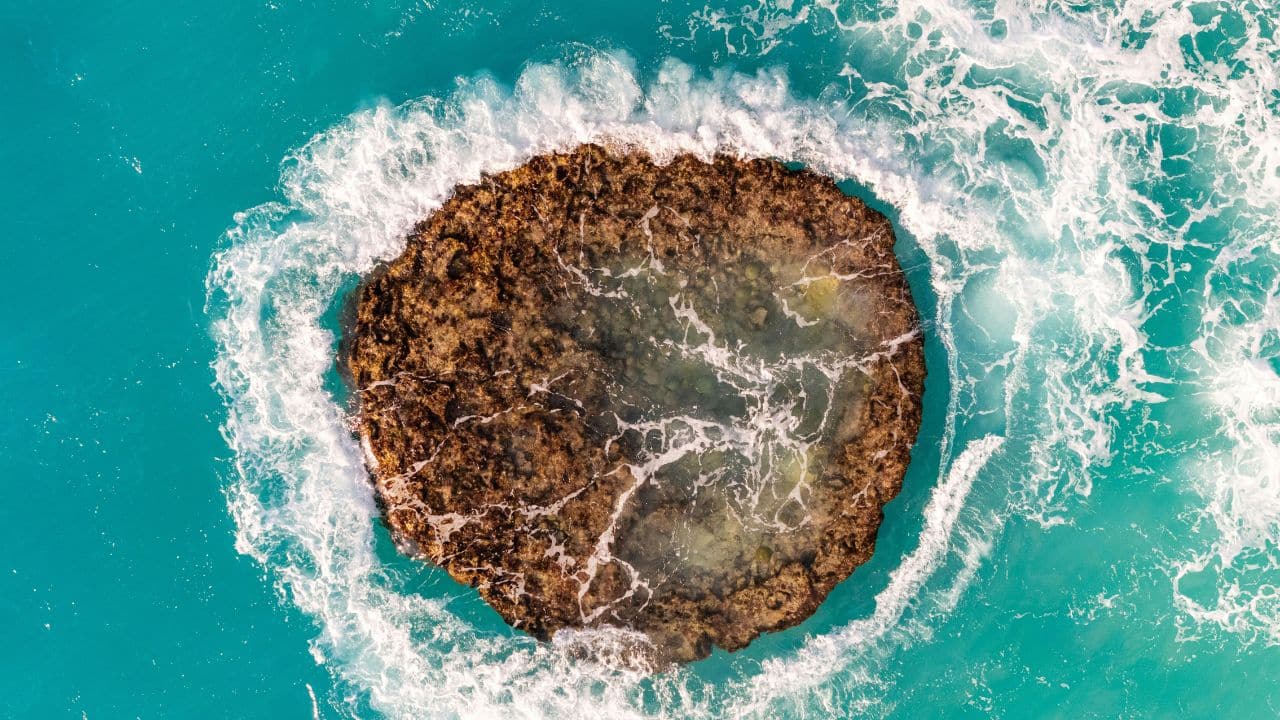
Bermuda sits on an oceanic swell, where the seafloor is elevated about 1,640 feet (500 meters) higher than the surrounding Atlantic seabed. Although volcanic activity in the region ceased over 31 million years ago, this buoyancy may explain Bermuda's elevated position. Conventional geological theories attribute such swells and island chains like Hawaii to volcanic hotspots. The newly discovered rock pile may explain why Bermuda has remained elevated for so long after its volcanoes went dormant, a question that has perplexed scientists.
Experts are unsure about the origin of this layer. Some theories suggest it could be remnants from deep mantle activity or ancient volcanic events that occurred when the supercontinent Pangea broke apart millions of years ago. Geologist Sarah Mazza, who was not involved in the study, noted that variations in lava chemistry from Bermuda indicate influences from deep mantle sources, pointing to complex geological processes specific to the area. Mazza told Live Science that the material remaining from Bermuda's active volcanism may be helping to keep the area elevated in the Atlantic Ocean.
While the discovery provides new insights into the geological characteristics of the region and the reasons behind the island's structural elevation, it does not explain the mysteries associated with the Bermuda Triangle, such as the disappearances of ships and aircraft.
The research team plans to investigate whether similar buried structures exist beneath other oceanic islands. By studying extreme locations like Bermuda, Dr. Frazer suggests, researchers can differentiate between common and unusual geological processes on Earth. The findings were published in the journal Geophysical Research Letters on November 28.