Samsung’s Galaxy Z TriFold Faces Durability Challenges Ahead of 2026 Launch
हिंदी में सुनें
Listen to this article in Hindi
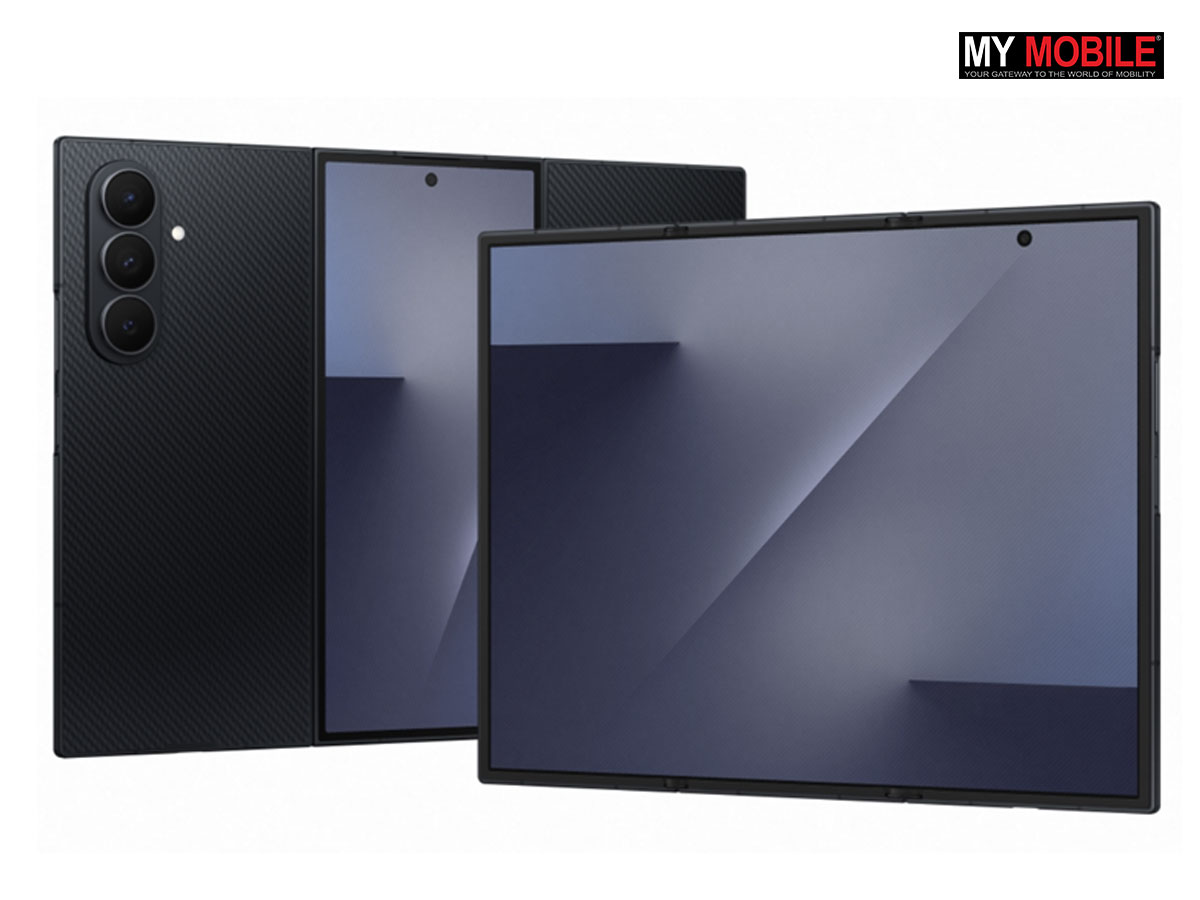
Samsung's Galaxy Z TriFold shows durability issues in recent tests, raising concerns about its performance before its 2026 launch.
Samsung's upcoming Galaxy Z TriFold has generated considerable interest as it promises to expand the capabilities of foldable devices. That said, the reality is a bit more complicated. recent hands-on durability tests conducted by popular tech YouTubers have revealed significant concerns regarding its build quality and durability. These tests included assessments of scratch resistance, heat exposure, dust intrusion, and bending, which are crucial for any device designed to fold multiple times.
One of the most notable findings from the tests is that while the Galaxy Z TriFold has been confirmed to endure over 150,000 folds, which suggests a certain level of resilience, it has also exhibited vulnerabilities that could affect user experience. The hinge mechanism, which is critical for the device's foldability, showed signs of wear and tear during the dust test, indicating that dirt particles can easily enter and interfere with its operation. The audible grinding noises produced during the folding and unfolding process further emphasize this issue.
Dust intrusion is not a new concern for foldable devices, but the TriFold's susceptibility appears to be more pronounced compared to its predecessors. The hinge's design may need to be reconsidered if Samsung aims to ensure a longer lifespan for users who expect durability from a premium device. Additionally, the device's performance under stress tests was less than satisfactory, particularly during the bend test, where it sustained damage after only moderate force was applied. The display tearing and hinge failure could prove problematic for users who rely on their devices for everyday tasks.
Samsung's Galaxy Z Fold series has set a high bar in the foldable smartphone market, and with the TriFold's impending launch in early 2026, the company now faces the challenge of addressing these durability concerns. If the TriFold does not meet user expectations regarding robustness, it risks tarnishing Samsung's reputation as a leader in foldable technology. The company will need to carefully consider the feedback from these tests in order to make necessary adjustments ahead of the launch.
The implications of these durability issues extend beyond just Samsung and the TriFold itself; they also affect the broader ecosystem of foldable devices. As consumers become more aware of the potential weaknesses in foldable technology, manufacturers will be under pressure to enhance their offerings in terms of durability and reliability. This situation could influence purchasing decisions as potential buyers weigh the benefits of foldable devices against their long-term durability.
So where does that leave things? while the Galaxy Z TriFold presents exciting possibilities for the future of smartphones, its current durability challenges raise valid concerns. Samsung must prioritize addressing these weaknesses to maintain its competitive edge in the foldable smartphone market. As the technology continues to evolve, the industry will be watching closely to see how Samsung responds to these durability tests and what innovations may emerge as a result.
Editor's note: This article was independently written by the Scoopliner Editorial Team using publicly available information.