Nigeria's Kidnapping Crisis Exposes Broader Instability Across the Sahel
हिंदी में सुनें
Listen to this article in Hindi
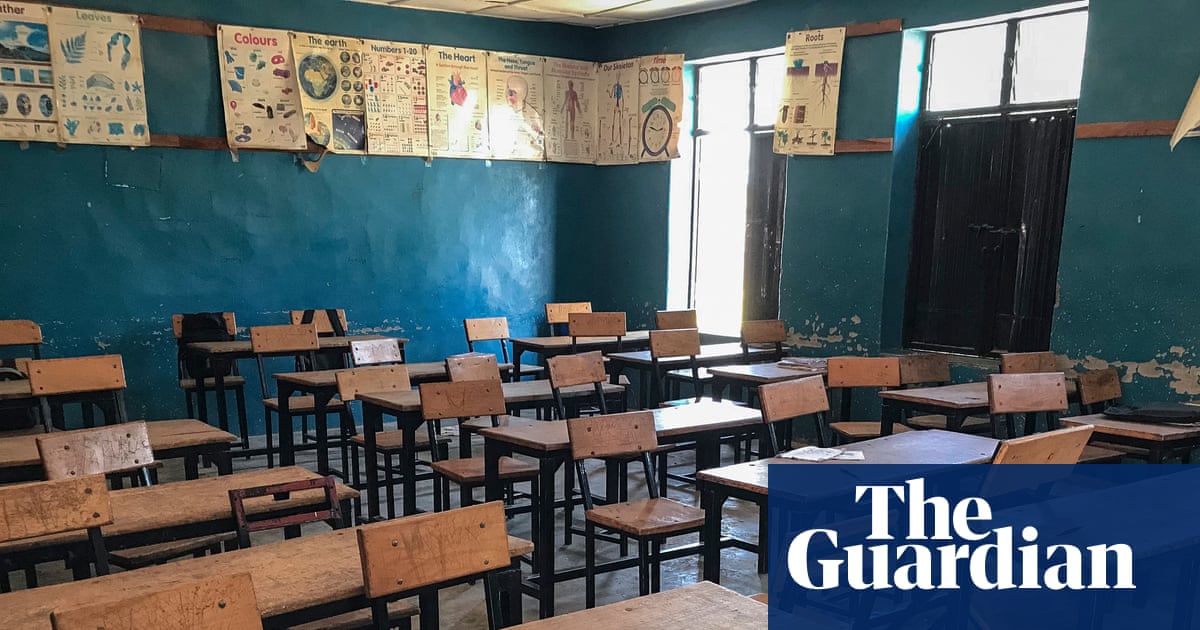
The release of Nigerian schoolchildren highlights a systemic crisis of ungoverned spaces and cross-border security challenges impacting the Sahel region.
The recurring kidnappings in Nigeria, exemplified by the recent release of schoolchildren in Niger state, are not isolated incidents. They are symptomatic of a much deeper regional crisis of governance, security vacuum, and the proliferation of non-state actors across the Sahel. While the immediate focus is on the victims and their families, the broader implications extend far beyond Nigeria's borders, threatening regional stability and potentially creating new vectors for international security threats.
The Sahel region, a vast area stretching across Africa south of the Sahara, is increasingly characterized by weak governance, porous borders, and a complex web of interconnected criminal and extremist groups. The drivers of instability are multifaceted, including climate change-induced resource scarcity, ethnic tensions, and a lack of economic opportunities, all of which create fertile ground for recruitment by armed groups. These groups, ranging from bandit gangs to jihadist organizations, exploit the lack of state presence in rural areas, engaging in activities such as kidnapping for ransom, cattle rustling, and illicit trafficking. The ease with which these groups operate across national borders underscores the limitations of existing security structures and the need for enhanced regional cooperation.
The Nigerian government's struggle to contain these groups is constrained by several factors. The country's security forces are stretched thin, facing multiple security challenges simultaneously, including the Boko Haram insurgency in the northeast, separatist movements in the southeast, and farmer-herder conflicts in the central belt. Furthermore, corruption and a lack of resources hinder the effectiveness of law enforcement and intelligence gathering. This allows the kidnappings to persist as a lucrative criminal enterprise, fueling further instability.
The international community's response to the crisis has been mixed. While there has been condemnation of the kidnappings and offers of assistance, the focus has largely been on addressing the immediate humanitarian needs rather than tackling the underlying structural issues. A more comprehensive approach is needed, one that combines security assistance with development initiatives aimed at addressing the root causes of instability. This includes strengthening governance, promoting economic opportunities, and investing in education and social services. Failure to address these underlying issues will only perpetuate the cycle of violence and instability.
Furthermore, the narrative surrounding the crisis needs to be carefully considered. Framing the conflict as a "Christian genocide," as some have done, risks oversimplifying a complex situation and exacerbating existing religious tensions. While religious identity may be a factor in some cases, the conflict is primarily driven by economic and political factors. A more nuanced understanding of the dynamics at play is essential for developing effective solutions.
The release of the Nigerian schoolchildren, while a welcome development, should serve as a wake-up call. The international community needs to recognize that the security challenges facing Nigeria are not confined to its borders but are part of a larger regional crisis that requires a coordinated and comprehensive response. Without such a response, the Sahel region risks descending further into chaos, with potentially devastating consequences for the entire continent and beyond. The situation also highlights the increasingly blurred lines between crime and terror, and how ungoverned spaces can become breeding grounds for international threats. The ongoing struggle highlights the critical need for stronger regional cooperation and international support to bolster security and address the socio-economic drivers of conflict. [World affairs background].
Moving forward, Nigeria's strategic importance in Africa necessitates a more robust and nuanced engagement from international partners, beyond simply providing military aid. Addressing the root causes of instability requires a multi-pronged approach that includes strengthening governance, promoting economic development, and fostering social cohesion. This also underscores the increasing complexity of security challenges in a globalized world, where domestic instability can quickly spill over into regional and even international threats. [Topic basics for readers]. The long-term implications of these trends extend to international security, requiring a proactive and collaborative approach to address the underlying drivers of conflict and instability.
Editor’s note: This article was independently written by the Scoopliner Editorial Team using publicly available information.