Distrust and Sovereignty: How a Spy's Allegations Highlight Israel's Precarious Balancing Act
हिंदी में सुनें
Listen to this article in Hindi
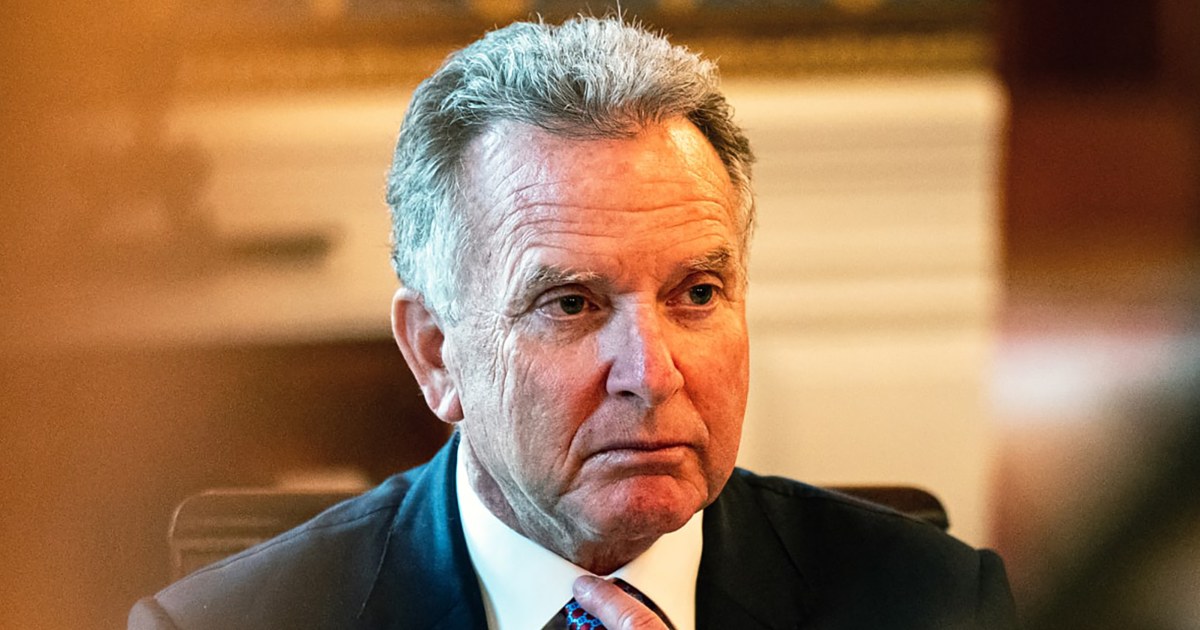
Jonathan Pollard's claims expose deeper tensions within Israel regarding its reliance on, and relationship with, the US amidst regional instability.
The geopolitical landscape of the Middle East demands constant calibration, particularly for Israel, which navigates a complex web of alliances, security concerns, and sovereignty aspirations. Recent allegations made by former spy Jonathan Pollard, though concerning an event supposedly years old, resonate with current anxieties about foreign influence and the balance between security cooperation and national autonomy. While Pollard's claims require verification, the sentiments they express reflect a segment of Israeli society grappling with the nation's dependence on external actors, especially the United States.
The core issue isn't the historical case of espionage itself, but rather the present-day implications for Israel's strategic posture. The establishment of the Civil-Military Coordination Center (CMCC) following recent escalations in Gaza, intended to coordinate humanitarian aid and security, has become a focal point for anxieties about compromised sovereignty. The presence of foreign military personnel, even for ostensibly benign purposes, triggers historical sensitivities and fuels concerns about undue influence in Israeli affairs. This unease isn't limited to fringe elements; it reflects a broader debate within Israeli society about the acceptable level of reliance on foreign assistance, particularly from nations like the US, which have historically provided significant military and financial support.
Pollard's criticism of the CMCC as a 'threat' to sovereignty, regardless of the veracity of his other claims, speaks to this undercurrent of apprehension. It underscores a fundamental tension: the need for international cooperation to address regional instability versus the desire to maintain absolute control over national security decisions. This tension is further exacerbated by the shifting dynamics within Israeli politics. While Prime Minister Benjamin Netanyahu initially welcomed Pollard as a hero, the former spy has since voiced criticisms of the premier, highlighting the fluidity of political alignments and the potential for individuals to become symbols of broader ideological struggles.
The strategic implications of this internal debate are significant. A perceived erosion of sovereignty could lead to increased calls for greater self-reliance in defense and foreign policy, potentially straining relations with key allies. This could manifest in a more assertive stance on regional issues, potentially complicating efforts to de-escalate conflicts and pursue diplomatic solutions. Furthermore, domestic discontent could be exploited by actors seeking to undermine Israel's stability, both internally and externally. The delicate balance between maintaining close security ties with the US and preserving a sense of national autonomy is crucial for Israel's long-term strategic interests.
One uncertainty lies in the extent to which Pollard's views represent mainstream Israeli public opinion. His case remains highly controversial, and his pronouncements are likely to be viewed through the lens of his past actions. That said, the reality is a bit more complicated. the underlying anxieties about foreign influence are undeniable and warrant careful consideration. Another constraint is the practical reality of Israel's security situation. Given the complex regional threats, complete self-reliance may not be feasible in the short term, necessitating continued cooperation with allies. Navigating this reality requires skillful diplomacy and a nuanced understanding of the competing priorities within Israeli society.
Ultimately, the allegations and the sentiments they reflect serve as a reminder of the ongoing challenges Israel faces in balancing its security needs with its aspirations for sovereignty. The management of its relationship with the US, the nature of foreign involvement in its affairs, and the internal debates about its strategic direction will continue to shape its role in the region and its engagement with the world. The path forward requires transparency, open dialogue, and a commitment to addressing the legitimate concerns of all stakeholders. How Israel navigates these challenges will have far-reaching consequences for regional stability and the broader geopolitical landscape. [World affairs background] is useful to understand the wider context. Understanding the relationship with the US is also important. [Topic basics for readers] can help with that.
Editor’s note: This article was independently written by the Scoopliner Editorial Team using publicly available information.