Former Apple engineer launches XR chip to challenge Vision Pro
हिंदी में सुनें
Listen to this article in Hindi
With the launch of the Jizhi G-X100, GravityXR is positioning itself as a formidable contender in the global mixed reality race.
According to the company, the G-X100 enables advanced spatial computing—allowing devices to read, analyse and blend real-world surroundings with virtual overlays. Its compact, power-efficient design makes it suitable for daily wearable devices and professional-grade XR systems.
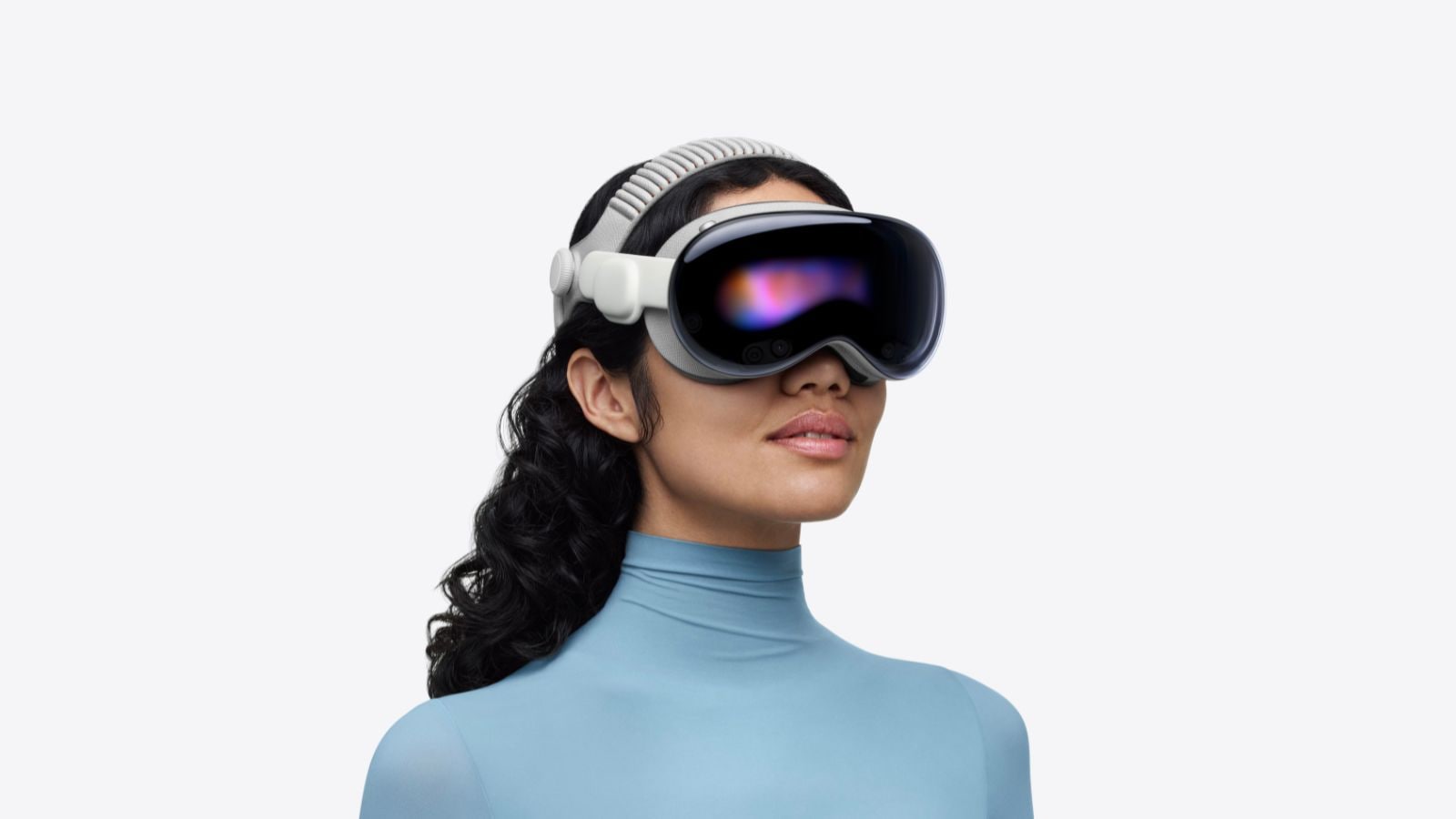
Faster than Apple Vision Pro?
One of GravityXR’s boldest claims is that the G-X100 can achieve a photon-to-photon latency of just 9 milliseconds. By comparison, Apple’s Vision Pro registers around 12 milliseconds. That difference, while small on paper, is significant in practice: lower latency reduces motion lag and creates smoother, more realistic immersion in VR and AR environments.
This performance milestone puts GravityXR as a serious contender in the global competition to produce faster, more responsive mixed reality computing platforms.
Wang Chaohao’s transition from an Apple engineer to the founder of a rival XR startup reflects a broader trend in China’s tech landscape, where the country is investing resources into strengthening its semiconductor and XR industries, aiming to reduce reliance on US technology.
Chaohao’s academic credentials from Stanford University and hands-on experience at Apple bring substantial weight to GravityXR’s ambitions. The startup has already attracted major investment from firms, including HongShan (formerly Sequoia China), Gaorong Capital, manufacturing leader Goertek, and popular game developer miHoYo—underscoring confidence in China’s growing XR ecosystem.
With the launch of the Jizhi G-X100, GravityXR is positioning itself as a new challenger in the global mixed reality race—and potentially one of the first Chinese companies capable of rivalling Apple in next-generation spatial computing hardware.