The Emotional Weight of Holocaust Artifacts and Its Geopolitical Implications
हिंदी में सुनें
Listen to this article in Hindi
Exploring the emotional and strategic implications of Holocaust artifact restitution in contemporary geopolitics.
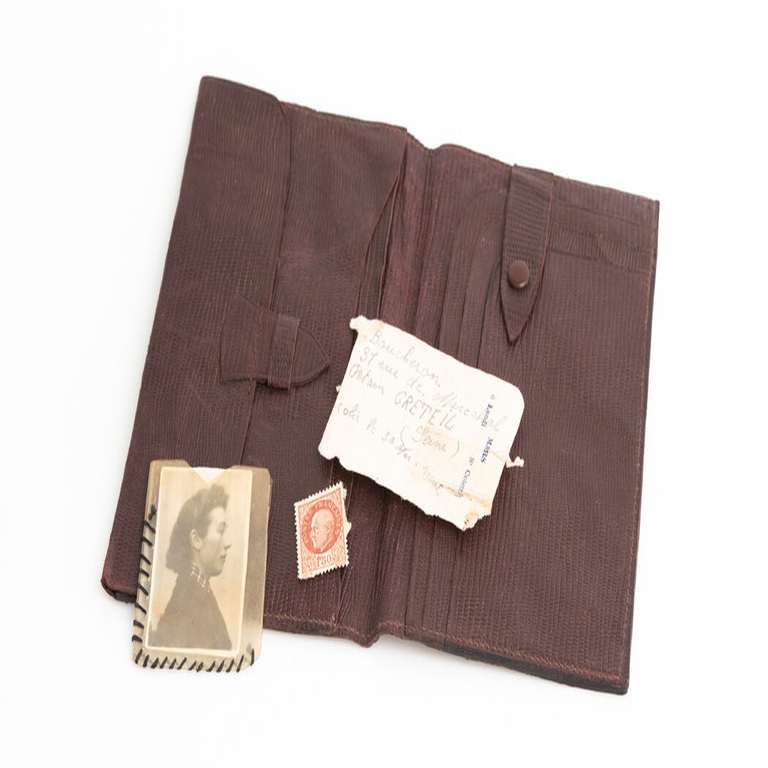
The restitution of artifacts taken during the Holocaust, particularly those of little monetary value, highlights a complex intersection of memory, identity, and geopolitical dynamics. While discussions often center around high-value art, the return of personal items like wallets and photographs can evoke profound emotional responses, serving as poignant reminders of the lives disrupted by atrocity. This development is noteworthy as it underscores the ongoing efforts to reconcile historical injustices with contemporary movements toward restitution and reconciliation.
In the current geopolitical landscape, the significance of these artifacts extends beyond their emotional weight. The repatriation of personal items can be seen as a microcosm of broader issues surrounding cultural heritage and identity in post-conflict societies. Countries grappling with their histories of violence and oppression may find that addressing the restitution of cultural artifacts is integral to national healing processes. This is particularly relevant in Europe, where historical narratives continue to shape national identities and public discourse.
Moreover, the restitution efforts present opportunities for dialogue and collaboration among nations. As countries navigate the complexities of their pasts, they may engage in cooperative frameworks aimed at addressing historical grievances. This can lead to stronger diplomatic ties and foster a climate of mutual respect, although such initiatives can also encounter resistance from parties unwilling to confront uncomfortable historical truths.
The emotional resonance of such restitution cases can also amplify the voices of marginalized communities, particularly descendants of Holocaust victims. Their collective narratives may gain traction in public consciousness, potentially influencing policy decisions and historical interpretations. By reclaiming personal artifacts, these individuals not only seek to restore their family histories but also contribute to a larger narrative about the importance of memory in shaping contemporary identity.
That said, the reality is a bit more complicated. the process is fraught with challenges. The sheer volume of artifacts and the complexity of ownership claims can complicate restitution efforts. Additionally, varying legal frameworks and cultural attitudes toward ownership across nations can lead to conflicts, requiring sensitive negotiation and a commitment to ethical standards in handling such sensitive materials.
As the world witnesses a resurgence of interest in historical justice, the restitution of Holocaust artifacts serves as a reminder of the past's lingering impact on present-day geopolitics. It raises essential questions about heritage preservation and the responsibilities of nations towards their histories. In this sense, the act of returning items, no matter their monetary value, can be seen as a critical step toward acknowledging and addressing historical injustices.
Thus, while the financial implications of high-value art restitution capture significant attention, it is the emotional and symbolic dimensions of personal items that resonate profoundly with affected families. The ongoing dialogue around these artifacts reflects broader societal efforts to come to terms with history and its ramifications, making it a crucial aspect of contemporary global affairs.
Editor's note: This article was independently written by the Scoopliner Editorial Team using publicly available information.