Surge in Respiratory Illnesses Post-Holiday: A Public Health Perspective
हिंदी में सुनें
Listen to this article in Hindi
गति:
Rising flu, COVID-19, and norovirus cases post-holiday gatherings highlight critical public health considerations.
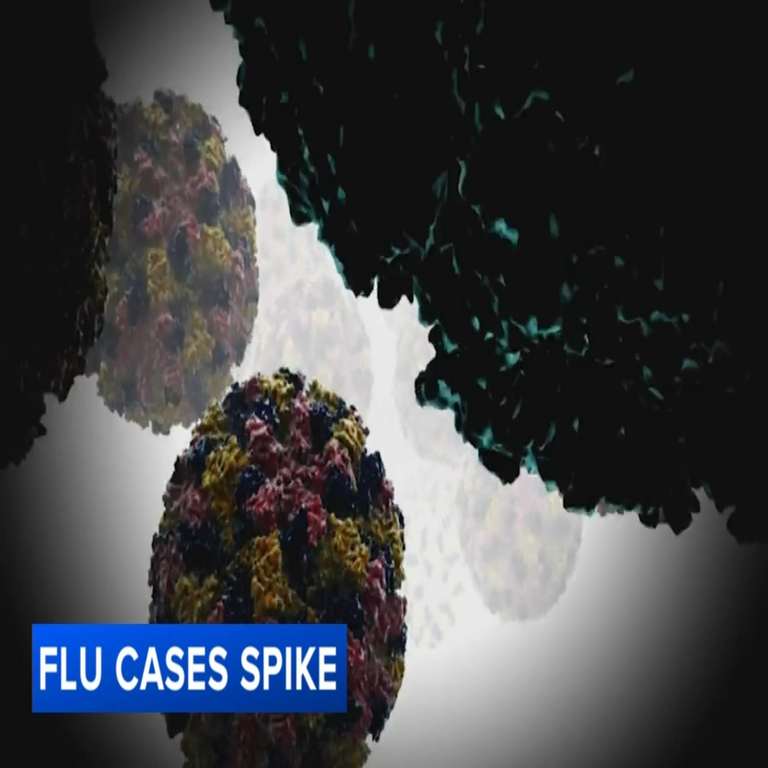
The post-holiday period often sees a spike in respiratory illnesses, notably flu, COVID-19, and norovirus. This year, healthcare professionals have noted a concerning rise in these cases, correlating with the end of holiday gatherings and travel. Understanding the reasons behind this increase is essential for public health awareness and preparedness.
Understanding the Current Surge As evidenced by reports from healthcare providers, the uptick in cases is not merely anecdotal. Dr. Delana Wardlaw of Fairhill Community Health Associates highlights that while respiratory illnesses are typical during this season, the surge in flu cases has been notably pronounced. The Centers for Disease Control and Prevention (CDC) has categorized flu activity as very high in New Jersey, moderate in Pennsylvania, and minimal in Delaware. This variation underscores the regional differences in disease spread and the impact of social behaviors during the holidays.
The Role of Holiday Gatherings The connection between holiday gatherings and increased illness transmission cannot be overstated. Dr. David O'Gurek from Lehigh Valley Health Network indicates that the social interactions associated with travel and gatherings contribute significantly to the spread of respiratory viruses. This trend is consistent with historical patterns observed in previous years, where similar spikes followed festive periods.
Public Health Implications From a public health perspective, the rise in respiratory illnesses serves as a reminder of the importance of ongoing community health surveillance, especially during peak seasons. It emphasizes the need for health systems to remain vigilant and responsive, ensuring that resources are allocated effectively to manage potential surges in patient volume. Policymakers may need to consider strategies for increasing public awareness around vaccination and preventive measures, even as cases rise.
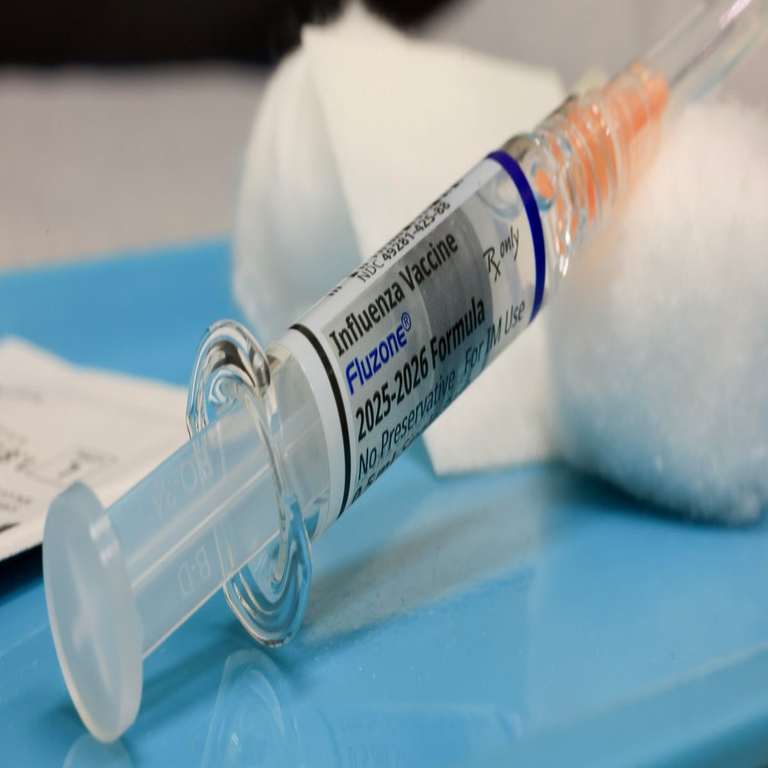
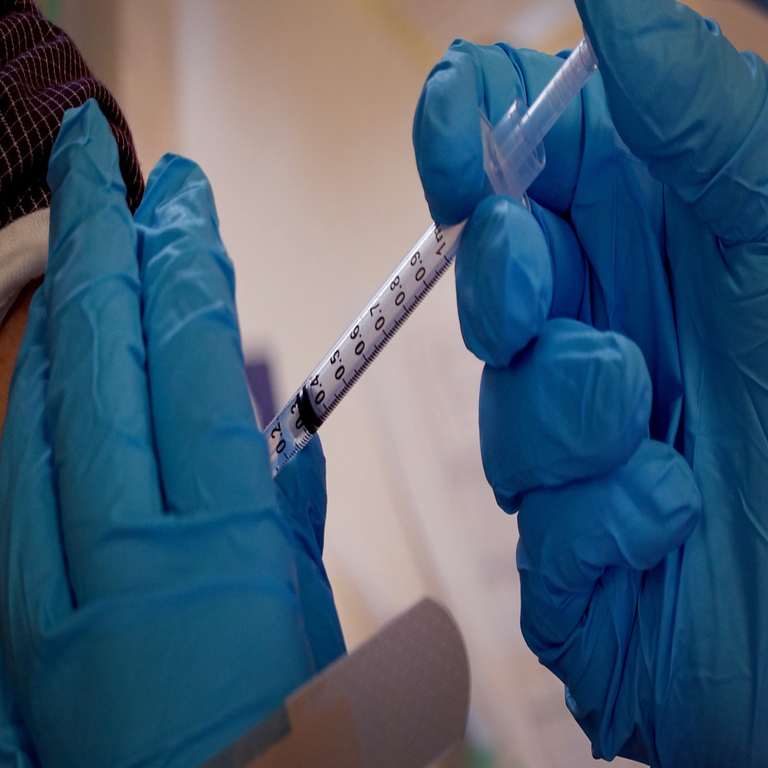
The Importance of Vaccination Despite the recent surge, healthcare professionals emphasize that it is not too late for individuals to receive vaccinations for flu and COVID-19. Dr. Wardlaw stresses that the flu vaccine remains a crucial tool in mitigating illness severity and preventing hospitalizations. This highlights an ongoing challenge in public health communication—ensuring that the community understands the value of vaccination as a preventive measure, even late in the season.
Limitations and Unknowns While the current data presents a clear trend of rising cases, it is essential to acknowledge the limitations in our understanding of the precise dynamics at play. Variants of viruses, public compliance with health recommendations, and the effectiveness of vaccines can influence outcomes in unpredictable ways. Continuous research and data collection remain vital in addressing these uncertainties.
Broader Context of Infectious Disease The increasing prevalence of respiratory illnesses post-holidays also sheds light on broader issues in infectious disease management. As society navigates the complexities of co-circulating viruses, health systems must adapt to a landscape where multiple respiratory illnesses can peak simultaneously. This requires integrated planning and response strategies that encompass various infectious diseases.
Conclusion The rise in flu, COVID-19, and norovirus cases following holiday gatherings is a multifaceted public health issue that warrants attention. As healthcare providers and policymakers respond to this surge, the emphasis must remain on community awareness, vaccination efforts, and the capacity to manage respiratory illness outbreaks effectively. Understanding these dynamics is crucial for safeguarding public health in the future.
Editor's note: This article was independently written by the Scoopliner Editorial Team using publicly available information.
Based on information from :
6abc Philadelphia
•
31 Dec 2025, 07:00 PM IST