The Implications of Flashover Fires in Global Event Venues: Safety and Security Risks
हिंदी में सुनें
Listen to this article in Hindi
Exploring the safety risks posed by flashover fires in public venues and their broader implications for global event management.
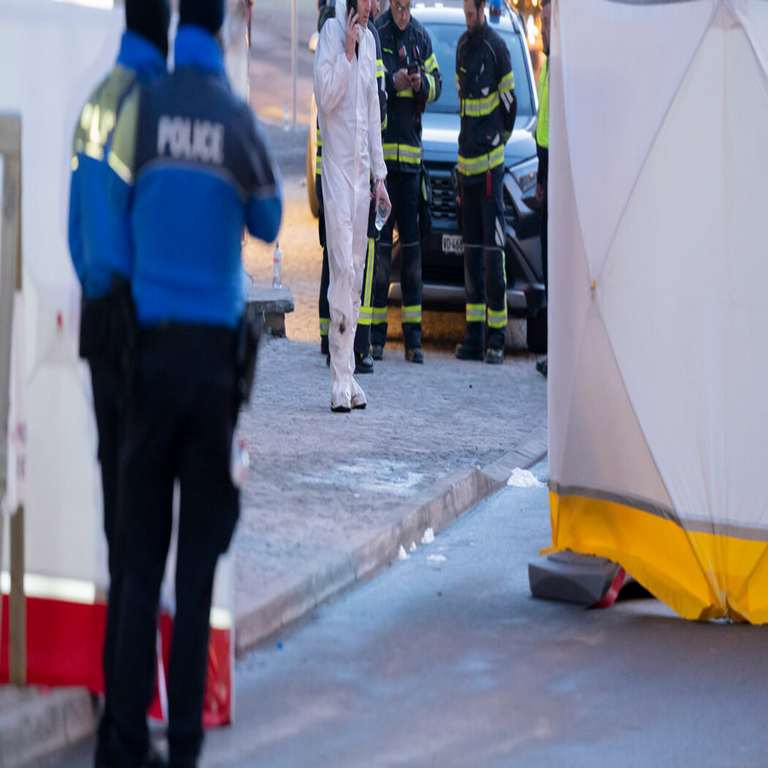
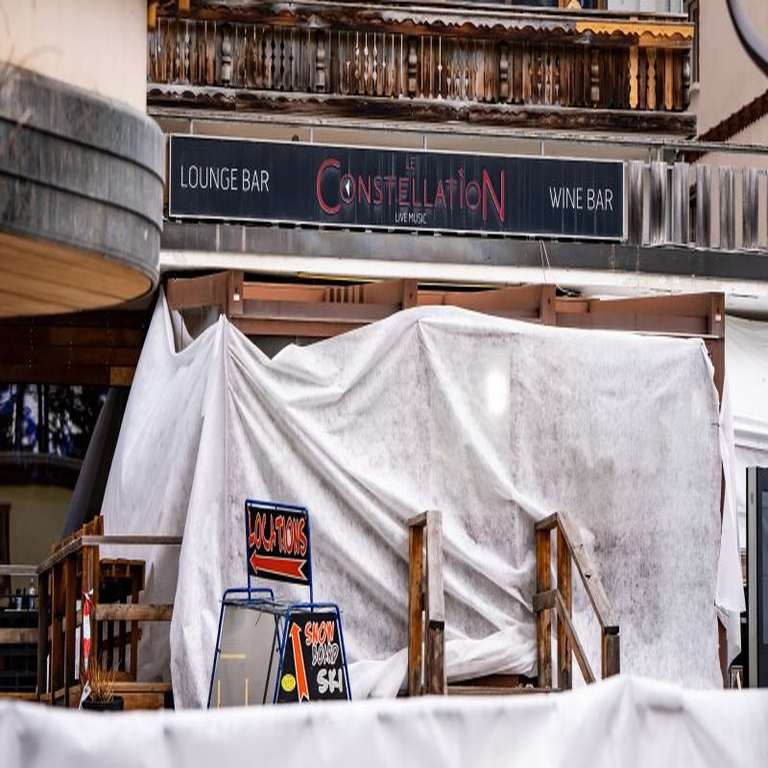
In recent years, the global landscape of public safety has come into sharper focus, driven by a combination of high-profile incidents and evolving safety standards. The recent fire at a ski resort bar in Crans-Montana, Switzerland, which developed into a flashover—a rapid ignition phenomenon—highlights the urgent need for comprehensive safety measures in event venues worldwide. Understanding the dynamics of flashover fires and their potential to escalate can inform better safety protocols and risk management strategies in crowded public spaces.
Flashover fires occur under specific conditions when heat buildup reaches a critical point, igniting all combustibles in a room almost instantaneously. This phenomenon poses a significant risk not only to individuals present but also to the broader implications of event planning and safety regulations. With the rise of large-scale public gatherings—such as festivals, conferences, and sporting events—ensuring the safety of participants and attendees has become paramount.
The Crans-Montana incident serves as a stark reminder of the risks associated with celebratory environments, where the use of sparklers and other pyrotechnics can quickly become hazardous. As event organizers increasingly incorporate such elements to enhance the experience, the potential for accidents rises, underscoring the importance of stringent oversight and regulations to mitigate these risks.
Globally, the implications of flashover fires extend beyond immediate safety concerns. Countries that host large events or tourism hotspots may face reputational damage, legal liabilities, and increased insurance costs following incidents of this nature. The interconnectedness of the global economy means that a fire incident in one location can reverberate through international markets, affecting tourism and hospitality sectors worldwide.
Moreover, as societies become more urbanized, the density of populations in event venues increases, compounding the risks associated with fire safety. Urban planners and safety authorities must work collaboratively to devise innovative solutions—such as improved building materials, real-time monitoring systems, and enhanced training for event staff—to prevent such tragedies from occurring.
The phenomenon of flashover fires also raises questions about existing safety frameworks. Current regulations may not adequately address the unique risks posed by rapid ignition events, necessitating a reassessment of fire safety codes. This is particularly relevant in regions where high-profile events are common, and where the convergence of large crowds creates an environment ripe for disaster.
In addition to regulatory responses, public awareness campaigns can play a crucial role in educating event-goers about fire safety. Empowering individuals with knowledge about how to recognize early warning signs of fire and the necessary actions to take can significantly enhance personal safety and survival rates in emergencies.
As the world continues to grapple with the implications of flashover fires in public venues, it is essential to approach the issue from a multidisciplinary perspective. Collaboration between governments, safety experts, and the private sector will be key to developing effective strategies that prioritize safety without stifling the celebratory nature of public gatherings.
So where does that leave things? the incident in Crans-Montana is not merely an isolated event; it is a broader reflection of the challenges faced in ensuring safety in public venues worldwide. By understanding the dynamics of flashover fires and proactively addressing the associated risks, societies can work towards creating safer environments for all, thus preserving the integrity and enjoyment of global events.
Editor's note: This article was independently written by the Scoopliner Editorial Team using publicly available information.