
First pediatric flu death reported in North Carolina for 2025
हिंदी में सुनें
Listen to this article in Hindi
North Carolina confirms its first pediatric flu death of the 2025-2026 season in the western part of the state, prompting health officials to emphasize flu vaccinations.
North Carolina health officials have reported the first flu-related death of a child in the state for the 2025-2026 flu season.
The North Carolina Department of Health and Human Services (NCDHHS) stated that the child, who lived in western North Carolina, died recently from complications caused by the flu.
State Epidemiologist Zack Moore, M.D., MPH, commented on the death, saying, "This is a tragic reminder that flu infections can be serious or even deadly." He urged residents to consider getting vaccinated to protect themselves and their community, if they have not already done so this season.
Flu activity is increasing throughout North Carolina as the holiday season gets underway. The state has already reported 10 flu-related deaths in adults this season.
According to the NCDHHS, the last flu season saw 280 children in the United States die from flu complications. That was the highest number since the 2009-2010 influenza A(H1N1) pandemic. Approximately half of those children had no underlying health conditions, and 89% were not fully vaccinated.
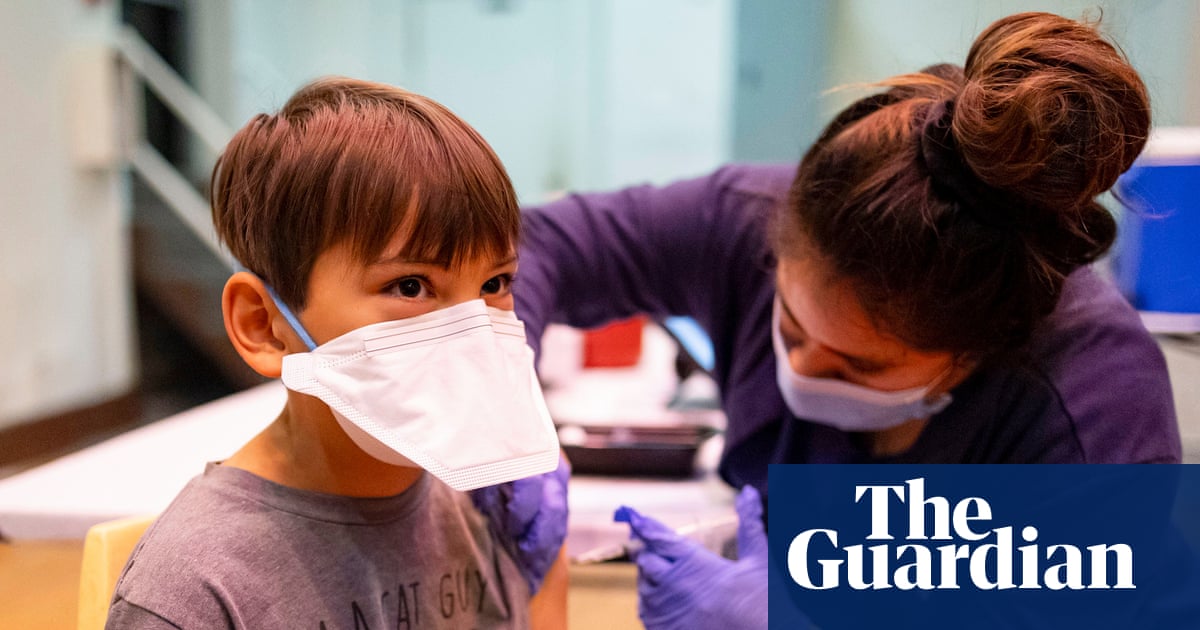
The NCDHHS stresses that vaccinations offer the best protection against serious illness, hospitalization, and death caused by the flu and other respiratory viruses like COVID-19 and RSV. Flu shots are especially important for children at higher risk of severe complications, including those younger than five years old – particularly those under two – and those with chronic health conditions.
The NCDHHS also advises that early testing and antiviral treatment can help prevent flu infections from becoming severe in children. Antiviral treatment is most effective when started soon after symptoms appear. They further recommend daily preventive actions to protect against respiratory viruses, such as frequent handwashing, avoiding touching the face, cleaning and disinfecting surfaces that are frequently touched, covering coughs and sneezes, and staying home when sick.



:max_bytes(150000):strip_icc()/ms-martha-sourdough-08535a5ce5704845ab32e9e30cc333eb.jpg)