Tragedy in the Swiss Alps: Analyzing the Broader Implications of the Crans-Montana Fire
हिंदी में सुनें
Listen to this article in Hindi
A fire in Crans-Montana raises critical questions about safety, tourism, and resilience in global hotspots.
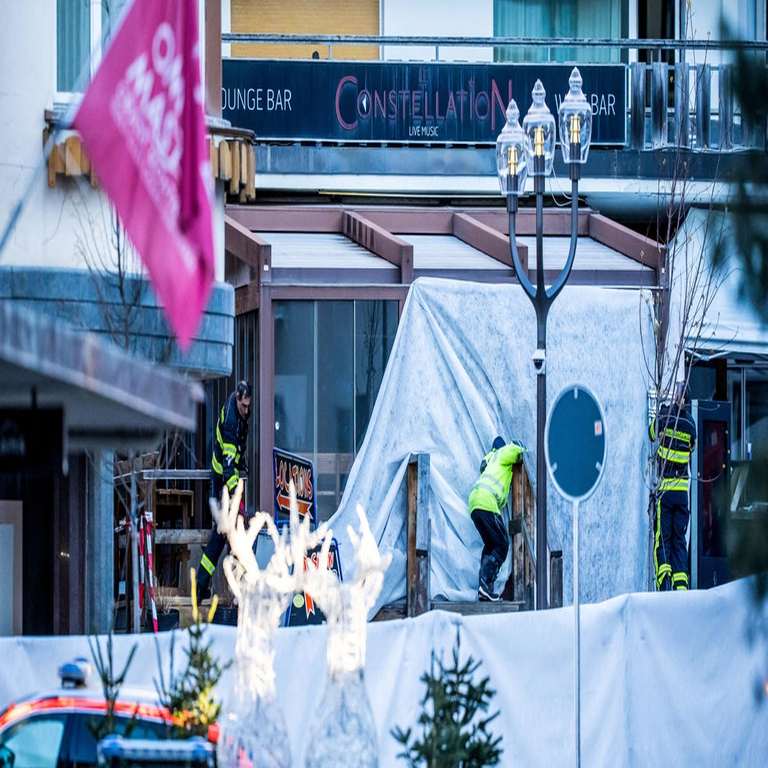
The tragic fire that erupted in Crans-Montana during New Year’s celebrations serves as a stark reminder of the vulnerabilities present in globally recognized tourist destinations. As nations grapple with the dual pressures of maintaining public safety and promoting tourism, incidents like this highlight the delicate balance that must be preserved to sustain economic vitality in regions heavily reliant on visitors.
In recent years, the Swiss Alps have become a focal point for international tourists seeking winter sports and leisure. This influx of visitors brings significant economic benefits; however, it also increases the risks associated with large gatherings in confined spaces. The incident is particularly relevant as countries worldwide reassess their emergency response protocols in an era of heightened awareness surrounding public safety.
Emergency services in Switzerland have responded swiftly to the crisis, a testament to the country’s preparedness for emergencies. That said, the reality is a bit more complicated. with intensive care units being quickly overwhelmed, the incident raises questions about the adequacy of local medical infrastructure during peak tourist seasons. This situation is indicative of broader issues faced by many popular destinations where a surge in visitors can strain local resources, potentially compromising safety and care.
The regional implications for Crans-Montana, a municipality known for its tourism-centric economy, could be profound. The immediate focus will likely be on recovery efforts and ensuring that the community can heal and rebuild. That said, the reality is a bit more complicated. in the longer term, this incident might necessitate a reevaluation of safety regulations and emergency response strategies in the tourism sector. Stakeholders may find themselves under pressure to implement stricter safety measures to mitigate risks in future events, potentially reshaping the tourism landscape in the Swiss Alps.
Internationally, such incidents can also influence perceptions of safety in travel destinations. High-profile accidents can deter tourists from visiting, impacting economic stability, especially in countries that rely heavily on tourism revenues. The interconnectedness of global tourism means that a tragedy in one location can resonate far beyond its borders, influencing travel patterns and economic forecasts in other regions.
Furthermore, this event occurs against a backdrop of growing global concern about safety in public spaces, fueled by various incidents in recent years across different contexts. The societal demand for improved safety measures is likely to intensify, prompting governments and businesses to invest more in infrastructure and emergency preparedness. This could lead to an increase in regulatory frameworks aimed at enhancing safety, potentially affecting operational costs for businesses in the tourism sector.
While the investigation into the cause of the fire continues, the authorities’ early emphasis on the absence of foul play suggests that this incident may not escalate into a larger geopolitical issue. That said, the reality is a bit more complicated. it does underscore the importance of proactive measures in maintaining not only safety but also public confidence in tourism. The global community is increasingly scrutinizing how countries respond to crises, and the efficacy of responses can significantly sway international opinion and future tourism.
Ultimately, the tragedy in Crans-Montana serves as a critical reminder of the complexities at play in global tourism and the urgent need for robust safety strategies in popular destinations. As nations navigate the intertwined challenges of promoting tourism while ensuring safety, the lessons learned from such incidents will likely shape policies and practices for years to come.
Editor's note: This article was independently written by the Scoopliner Editorial Team using publicly available information.