Unacademy CEO Gaurav Munjal Addresses Controversy Over ESOP Exercise Window Change
हिंदी में सुनें
Listen to this article in Hindi
Unacademy CEO Gaurav Munjal explains the decision to shorten the ESOP exercise window, citing ongoing merger discussions and employee benefit concerns.
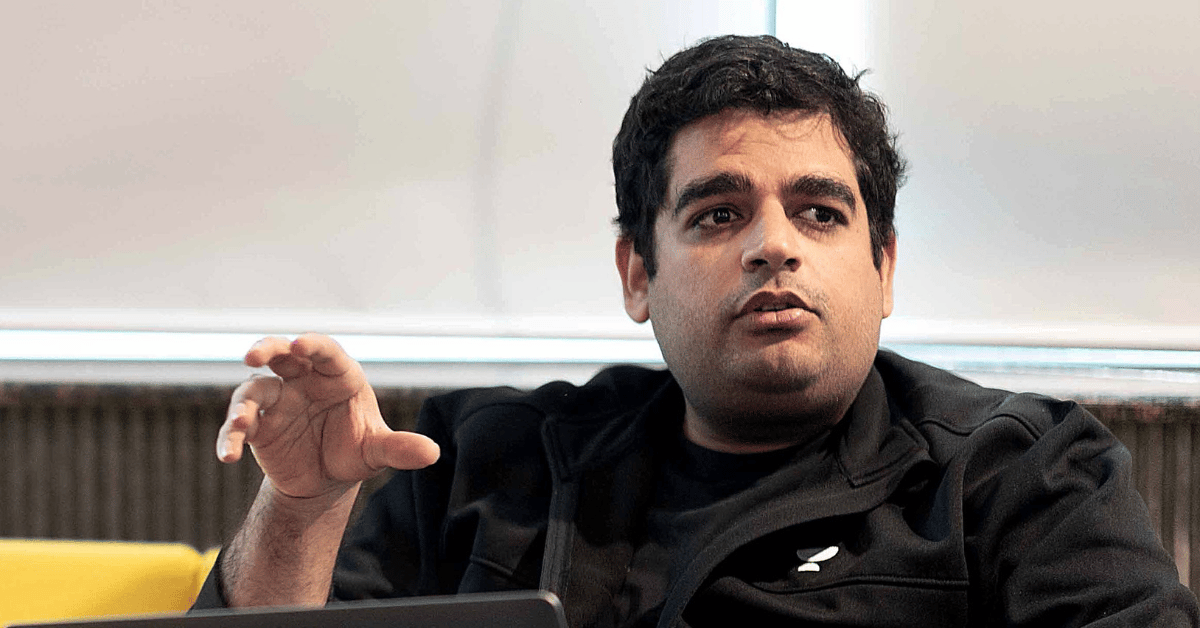
Following criticism regarding Unacademy's move to shorten the ESOP (employee stock ownership plan) exercise window, CEO and co-founder Gaurav Munjal has offered an explanation. The edtech firm had reduced the window from ten days to thirty, sparking concern among former employees.
Munjal's statement, which was shared internally and reviewed by Inc42, indicates that the decision aims to protect employee interests amidst potential mergers and acquisitions.
According to Munjal, Unacademy is currently engaged in M&A negotiations at a valuation approximating INR 2,650 Cr, involving an all-stock deal. This implies that neither the founders nor investors will receive direct cash payouts. He elaborated that because the current valuation is notably less than the $800 million+ raised by Unacademy, shareholders possess the right to enforce liquidation preference, especially those who invested at higher valuations and risk losses in the potential M&A.
He explained that the enforcement of liquidation preferences could render ESOPs worthless. To prevent this, Unacademy sought board approval to enable employees to receive company shares—or shares in the merged entity—even at a diminished valuation. Munjal stated this initiative allows exited employees to obtain common shares in Unacademy, ensuring equal standing with other common shareholders in case of a merger. He framed it as an effort to provide all stakeholders—investors, shareholders, and ESOP holders—with a fair opportunity relative to their positions.
"This represents our optimal strategy for delivering some value for your contributions to Unacademy," Munjal stated, noting his own ESOPs, representing nearly half his Unacademy holdings, face the same circumstances. He acknowledged that this situation is not ideal for investors or employees. Accepting responsibility as CEO, Munjal expressed regret, while assuring that the company did its best to safeguard ESOP value from complete loss.
The clarification follows a former Unacademy employee's post on X, highlighting the change in the ESOP exercise window. The post suggested that the reduced window could force employees to either pay significant taxes or forfeit their vested ESOPs.
Earlier this month, Munjal publicly acknowledged ongoing M&A discussions for Unacademy, which was once valued at $3.5 billion. Over the past year, Unacademy has reportedly engaged in acquisition talks with companies like Allen and upGrad. Recent reports also suggested that Ronnie Screwvala's company was considering acquiring Unacademy for approximately $300 million.