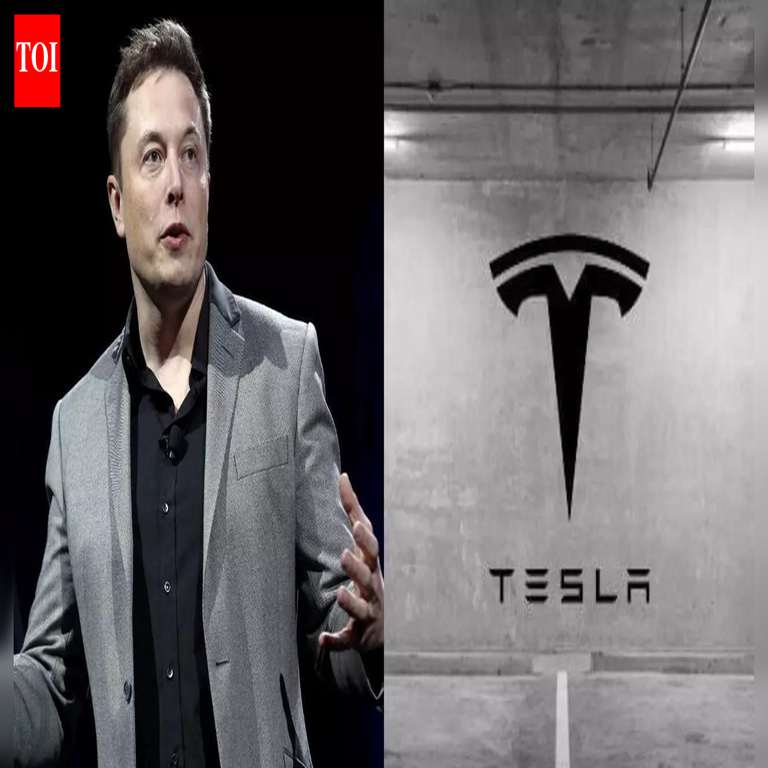
Tesla's Decline and BYD's Ascendancy: Implications for India's EV Market
हिंदी में सुनें
Listen to this article in Hindi
Explore the implications of Tesla's declining market position and BYD's rise for India's electric vehicle sector.
The recent shift in the electric vehicle (EV) landscape, marked by Tesla's loss of its top position to Chinese rival BYD, signals a transformative era for the global automotive market, with far-reaching implications for India. As Tesla grapples with declining sales and increasing competition, the Indian market is poised to react to these developments in ways that could reshape the EV ecosystem. This analysis delves into the dynamics of this transition, examining how global trends influence India's burgeoning EV sector, and highlighting the potential for both opportunities and challenges ahead.
Tesla's recent announcement of a 9% decline in deliveries, coupled with BYD's impressive sales growth, underscores a pivotal moment in the automotive industry. The factors contributing to Tesla's downturn—intensifying competition, weakened demand in key markets, and the expiration of tax credits—reflect broader market realities that are also relevant to India. As the country accelerates its shift towards sustainable transportation, the implications of this global shake-up cannot be overlooked. Investors and market participants in India must consider how these developments will shape consumer preferences, regulatory frameworks, and investment strategies in the local EV market.
The rise of BYD has not only displaced Tesla but has also highlighted the aggressive strategies employed by Chinese manufacturers to capture market share. In India, where the government is heavily investing in EV infrastructure and incentivizing local manufacturing, the competitive landscape is ripe for similar disruptions. The entry of lower-priced models from established players like Tesla, alongside the growing presence of homegrown manufacturers, could lead to a price war that benefits consumers but pressures margins for all participants.
Moreover, Tesla's strategic pivot towards autonomous mobility and robotics suggests a long-term vision that extends beyond vehicle sales. In India, where urban mobility challenges persist, there is a significant opportunity for innovative solutions that integrate EV technology with smart city initiatives. Investors should note that while Tesla’s car sales may be declining, its focus on robotaxis and energy storage solutions aligns with India's aspirations to modernize its urban infrastructure. This shift in focus could attract investment in related sectors, potentially leading to a more integrated approach to transportation and energy.
The implications of these global signals extend to investor sentiment and market liquidity in India. As Tesla's stock remains relatively stable despite sales pressures, it indicates a level of confidence in its long-term strategy. This sentiment could influence Indian investors’ perceptions of the EV market, encouraging them to look beyond short-term fluctuations. If investors adopt a similar outlook, it may foster a more resilient market environment, where companies can innovate and grow without the immediate pressure of quarterly sales performance.
That said, the reality is a bit more complicated. the volatility observed in Tesla's sales and the overall shift in market leadership also highlight inherent risks. The Indian market, while burgeoning, is not immune to the challenges that accompany rapid growth. As new entrants vie for market share, the potential for oversupply could lead to increased price competition and margin compression. This environment necessitates careful analysis of business models and operational efficiencies among Indian EV manufacturers and suppliers.
Furthermore, the shift towards cheaper, stripped-down models from Tesla reflects a broader trend towards affordability in the EV sector. For Indian consumers, this could mean increased access to electric vehicles, especially as local manufacturers develop competitive offerings. The Indian government’s push for electric mobility, backed by favorable policies and incentives, aligns well with this trend. That said, the reality is a bit more complicated. the focus on affordability must also consider the sustainability of manufacturing practices and the availability of critical components, such as batteries, which remain a concern for the industry.
As stakeholders in the Indian market navigate this evolving landscape, the ability to adapt to changing consumer preferences and technological advancements will be critical. The interplay between global trends and local market dynamics will shape the future of electric mobility in India, influencing everything from investment decisions to regulatory policies. The current wave of competition emphasizes the importance of strategic partnerships, innovation, and a customer-centric approach.
So where does that leave things? the shift in the global EV market, characterized by Tesla's decline and BYD's ascendance, offers valuable lessons for the Indian automotive sector. It serves as a reminder of the fluid nature of market leadership and the importance of agility in responding to consumer demands and competitive pressures. As India continues to develop its EV market, the insights gleaned from these global shifts will be essential for shaping a robust, sustainable, and innovative future for electric mobility.
Editor's note: This article was independently written by the Scoopliner Editorial Team using publicly available information.