EU Leaders Approve €90 Billion Loan for Ukraine After Russian Asset Plan Stalls
हिंदी में सुनें
Listen to this article in Hindi
EU leaders agree to a €90 billion loan for Ukraine, bypassing a plan to utilize frozen Russian assets due to legal concerns and opposition.
European Union leaders have agreed to provide Ukraine with a substantial €90 billion loan to support the country's military and economic needs over the next two years. This decision comes after disagreements arose regarding a proposal to use frozen Russian assets to finance the loan.
Ukraine's financial needs are pressing. The International Monetary Fund estimates that the nation will require €137 billion in 2026 and 2027. The Ukrainian government is facing potential bankruptcy and urgently requires funds by the spring.
The initial plan involved using a portion of the €210 billion in Russian assets frozen in Europe, a significant portion of which is held in Belgium. That said, the reality is a bit more complicated. EU leaders struggled to reassure Belgium regarding potential Russian retaliation if the plan moved forward. Ultimately, the leaders chose to borrow the funds on capital markets.
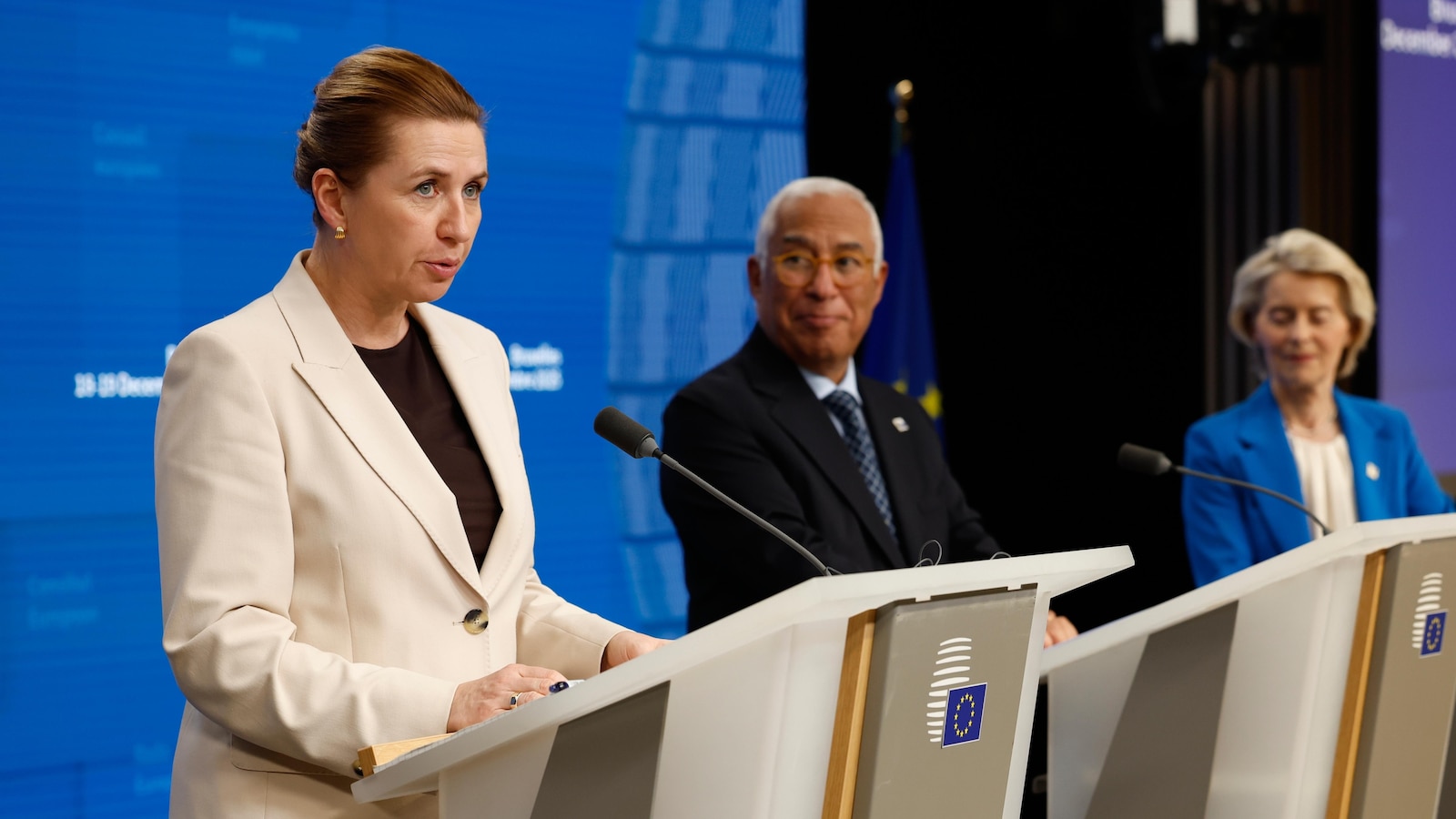
EU Council President António Costa announced the agreement on social media, stating, "We have a deal. Decision to provide 90 billion euros of support to Ukraine for 2026-27 approved. We committed, we delivered."
While most countries supported the loan package, Hungary, Slovakia, and the Czech Republic voiced opposition. That said, the reality is a bit more complicated. an agreement was reached where they would not block the package, with assurances of protection from any financial repercussions.
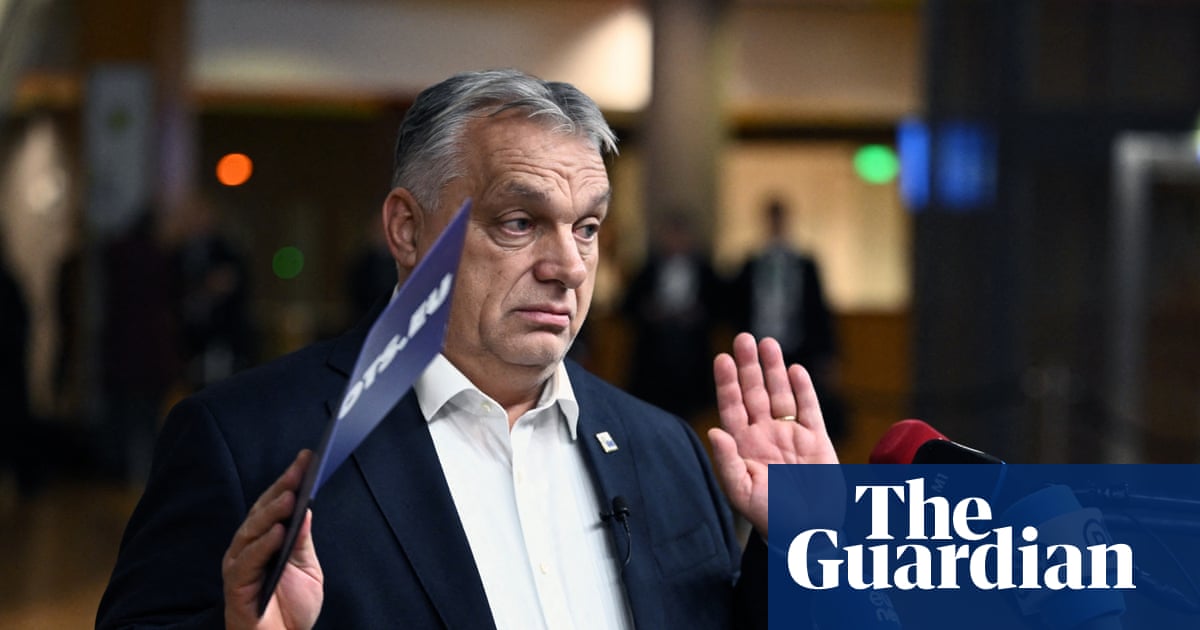
Hungarian Prime Minister Viktor Orbán, a close ally of Russian President Vladimir Putin, expressed his concerns, stating, "I would not like a European Union in war," and described the rejected plan to use frozen Russian assets as a "dead end."
French President Emmanuel Macron hailed the agreement as a significant step forward, stating that borrowing on capital markets was the most practical approach to funding Ukraine. German Chancellor Friedrich Merz echoed this sentiment, noting that the loan would be interest-free and sufficient to cover Ukraine's military and budgetary needs for the next two years. Merz also stated that the frozen assets would remain blocked until Russia pays war reparations to Ukraine, which Ukrainian President Volodymyr Zelenskyy estimates to be over €600 billion.
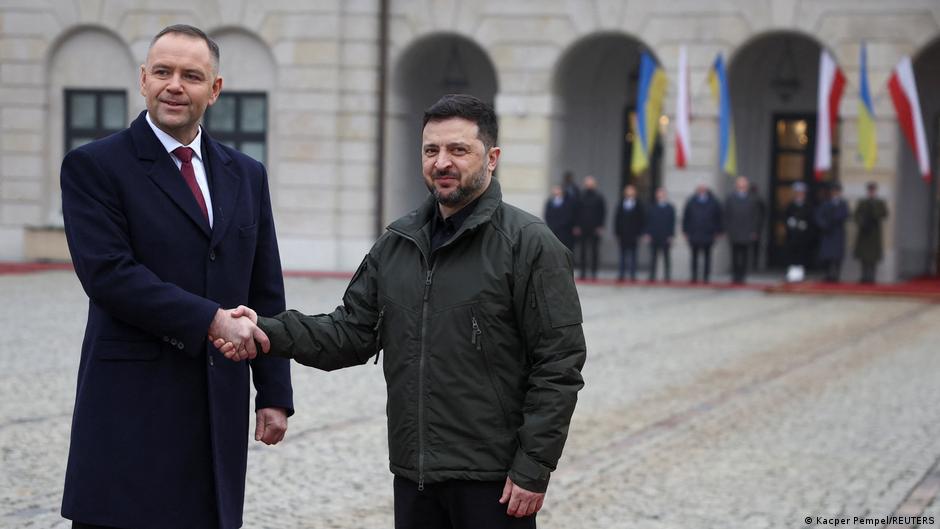
Zelenskyy had traveled to Brussels to advocate for a swift decision. Polish Prime Minister Donald Tusk emphasized the urgency of the situation, warning of dire consequences if aid was not provided promptly.
The plan to utilize frozen Russian assets faced obstacles due to concerns raised by Belgian Prime Minister Bart De Wever, who cited legal risks and potential harm to Euroclear, the Brussels-based financial clearing house holding €193 billion in frozen assets. De Wever stated that the reparations loan was not a sound idea, pointing to numerous unresolved issues and the risk of undermining legal certainty worldwide. He emphasized the importance of upholding the rule of law, even under pressure, and affirmed Europe's support for Ukraine.
Despite the decision to borrow on capital markets, Costa indicated that the EU reserves the right to use the immobilized assets to repay the loan.