Chelsea's Managerial Shake-Up: A Strategic Move Amidst Underperformance
हिंदी में सुनें
Listen to this article in Hindi
Chelsea's decision to part ways with Enzo Maresca raises questions about the club's direction and future performance.
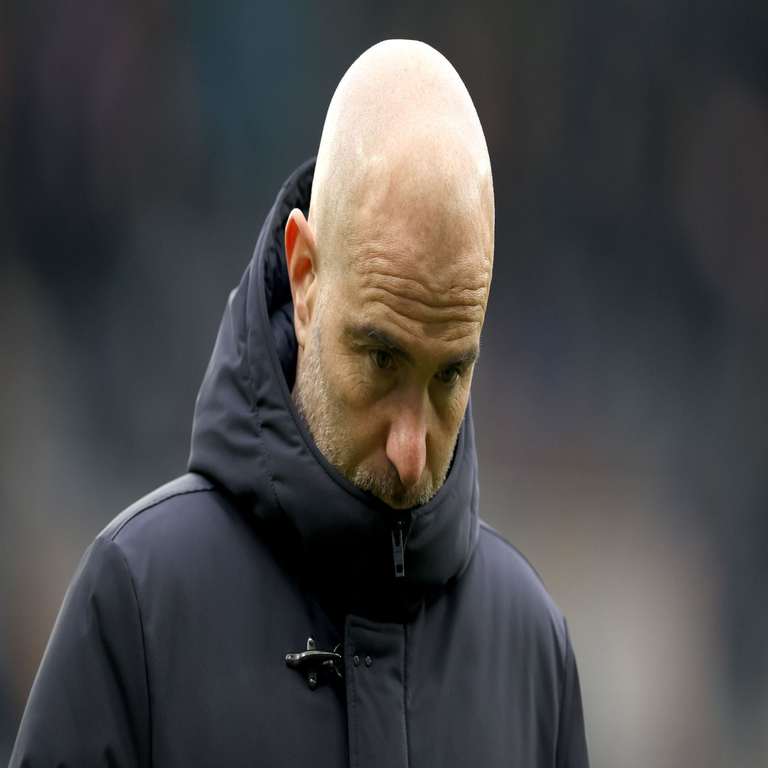
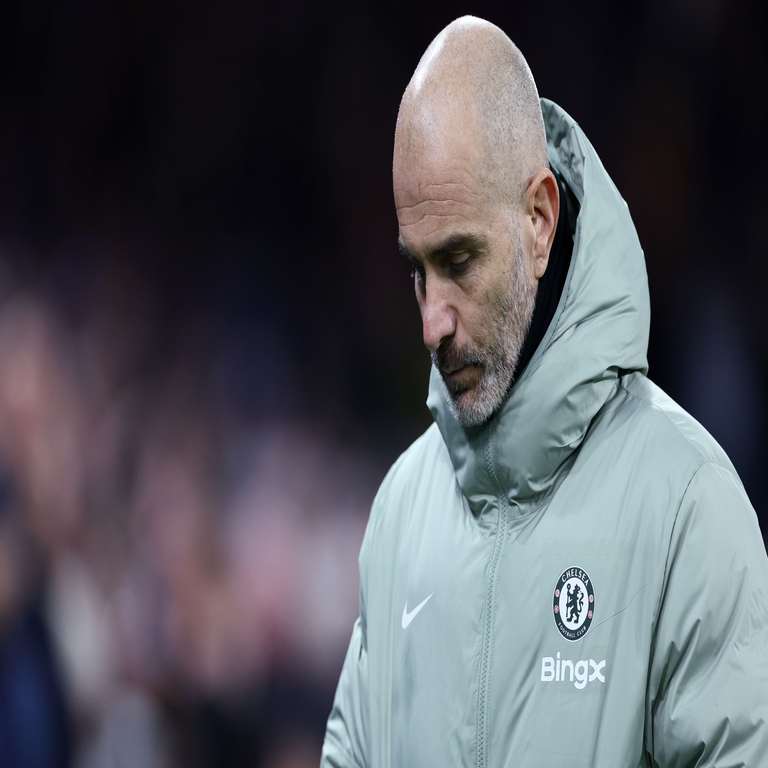
Chelsea Football Club's abrupt decision to part ways with Head Coach Enzo Maresca on New Year's Day has sent shockwaves through the football community. After guiding the team to significant achievements including the UEFA Conference League and FIFA Club World Cup victories last season, Maresca's exit indicates a pivotal moment for the club as they seek to recalibrate their ambitions in the Premier League and other competitions.
Despite a strong start to the season, Maresca's tenure saw a concerning dip in form, culminating in a three-match winless streak in the Premier League. This decline in performance has raised alarms not only among fans but also within the club's hierarchy. Sitting fifth in the league table, Chelsea is at a critical juncture where the pursuit of Champions League qualification hangs in the balance, alongside their aspirations in other tournaments.
The official statement from Chelsea acknowledged Maresca's contributions but emphasized a need for change to realign the team's trajectory for the remainder of the season. Maresca himself hinted at a lack of support from certain factions within the club, which suggests underlying tensions that may have influenced the decision to part ways. This could point to deeper structural issues within the club's management and decision-making processes.
Maresca's final match, a 2-2 draw against Bournemouth, was indicative of the frustrations mounting within the squad and the fanbase. The jeers from supporters at the conclusion of that match reflect a growing discontent with not only results but also the overall style of play. Such sentiments necessitate a fresh approach from the incoming managerial candidate, who must address both the tactical deficiencies and restore confidence among players and fans alike.
As Chelsea prepares for their next fixture against Manchester City, the lack of a clear successor raises questions about the immediate impact on team performance. With the January transfer window approaching, the new manager will need to quickly assess the squad's capabilities while also potentially influencing transfer strategy to enhance squad depth and versatility.
Looking ahead, the implications of this managerial change extend beyond the immediate matchday. The new coach will need to instill a sense of direction and coherence in the team's playing philosophy, which has been inconsistent under Maresca. Furthermore, the ability to secure Champions League qualification will be critical not only for the club's financial health but also for attracting future talent.
In summary, Chelsea's decision to release Enzo Maresca underscores the urgency for immediate improvement in performance and results. The club's management now faces the challenge of selecting a candidate who can effectively navigate the complexities of the current football landscape while ensuring the squad regains its competitive edge.
Editor's note: This article was independently written by the Scoopliner Editorial Team using publicly available information.