Syria's Fragile Stability: A Litmus Test for Regional Security
हिंदी में सुनें
Listen to this article in Hindi
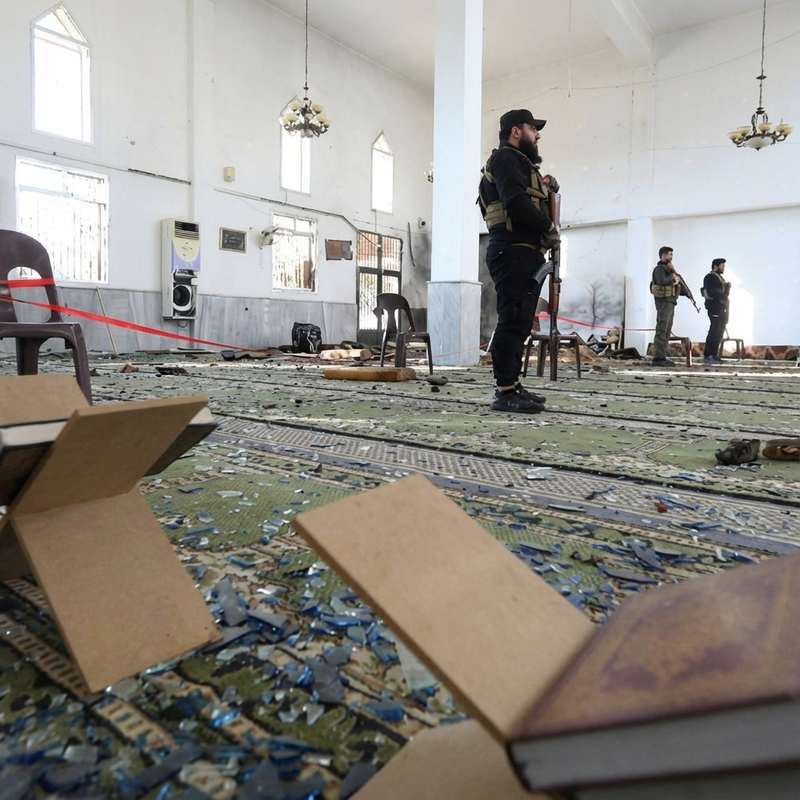
The Homs mosque bombing highlights Syria's ongoing instability and its potential to destabilize the wider region, impacting global counter-terrorism efforts.
The persistent instability within Syria represents more than a localized conflict; it functions as a crucible for regional power struggles and a potential accelerant for global terrorism. While the immediate aftermath of events such as the recent bombing of a mosque in Homs focuses on casualties and condemnation, the deeper ramifications extend to the fragile balance of power within the region and the broader international effort to combat extremism. The attack, regardless of the perpetrator, underscores the vulnerability of Syria's diverse communities and the challenges facing any attempts at national reconciliation.
Syria's geographic location and its entanglement in various geopolitical agendas make it a critical node in the Middle East's security architecture. The nation borders countries with their own internal vulnerabilities and external ambitions, including Lebanon, Jordan, and Turkey. Each of these countries navigates a complex web of alliances and rivalries, and Syria's instability inevitably spills across these borders. For example, the flow of refugees and the movement of militant groups across the Syrian-Lebanese border present ongoing challenges for Lebanon's already strained political and economic system. Similarly, Jordan, a key U.S. ally, faces the constant threat of cross-border terrorism and the logistical burden of hosting a large Syrian refugee population.
The attack in Homs also exposes the complexities of power dynamics within Syria itself. Even with the nominal control exerted by the current government, various factions and external actors continue to operate within the country, pursuing their own interests. This fragmented landscape creates an environment where acts of violence, such as the mosque bombing, can easily occur, further exacerbating sectarian tensions and undermining any prospects for lasting peace. The reported claim of responsibility by Ansar al-Sunnah, though unconfirmed by Syrian officials, suggests the continued presence and operational capacity of extremist groups within the country. Understanding the motivations and capabilities of these groups is crucial for developing effective counter-terrorism strategies, not only within Syria but also across the wider region.
Beyond the immediate regional implications, the Syrian conflict impacts global counter-terrorism efforts. The country has served as a training ground and operational base for various extremist organizations, some of which have transnational reach. The ongoing instability allows these groups to recruit, train, and plan attacks that could potentially target countries far beyond the Middle East. The international community's focus on Syria, therefore, is not merely a humanitarian concern but also a strategic imperative. Effective counter-terrorism strategies require a comprehensive approach that addresses the root causes of extremism, including poverty, political marginalization, and sectarian tensions. This involves not only military action but also diplomatic efforts, economic development initiatives, and programs aimed at promoting social cohesion.
Looking ahead, the path to stability in Syria remains uncertain. The country faces numerous challenges, including the need to rebuild its economy, address the grievances of its diverse communities, and establish a credible system of governance. Furthermore, the involvement of external actors, each with their own strategic interests, complicates any attempts at finding a lasting solution. The international community must work together to support a political process that is inclusive, transparent, and accountable. Failure to do so risks prolonging the conflict and further destabilizing the region, with potentially far-reaching consequences for global security. The situation underscores the need for continuous world affairs background and a more nuanced understanding of the region.
The complexities within Syria also highlight the need for a reevaluation of counter-terrorism strategies. Traditional approaches that rely solely on military force have proven insufficient in addressing the underlying causes of extremism. A more comprehensive approach is needed, one that combines military action with diplomatic efforts, economic development initiatives, and programs aimed at promoting social cohesion. This requires a greater understanding of the local context, including the specific grievances and motivations of different communities. It also requires a commitment to addressing the root causes of extremism, such as poverty, political marginalization, and sectarian tensions.
Editor’s note: This article was independently written by the Scoopliner Editorial Team using publicly available information.