Ecuador's Security Crackdown: A Litmus Test for Regional Stability and Human Rights
हिंदी में सुनें
Listen to this article in Hindi
Ecuador's heavy-handed security measures raise concerns about human rights abuses, regional stability, and the balance between security and justice.
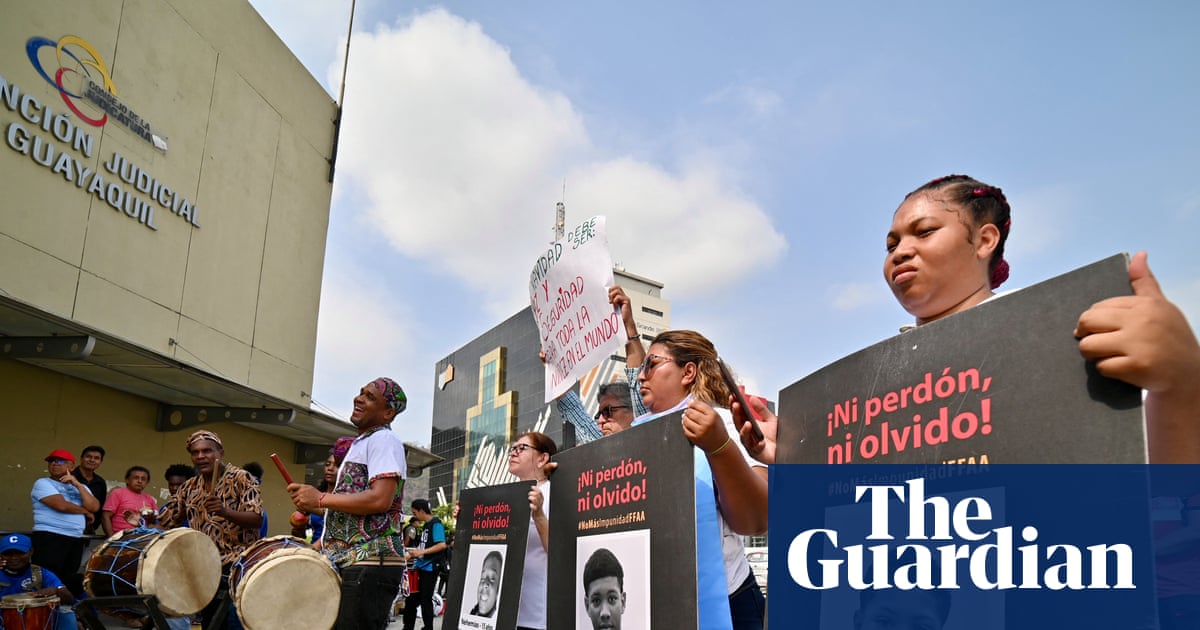
Ecuador's shift towards militarized policing, ostensibly to combat drug trafficking, highlights a growing tension between state security and individual liberties across Latin America. The sentencing of air force personnel in the "Guayaquil Four" case serves as a stark reminder of the potential for human rights abuses when military forces are deployed in civilian law enforcement roles. This incident, and the broader security policies enacted by President Noboa, have implications that extend beyond Ecuador's borders, impacting regional stability and international perceptions of the country's commitment to the rule of law.
The deployment of armed forces in domestic policing is not unique to Ecuador. Many Latin American nations, grappling with organized crime and drug-related violence, have increasingly relied on their militaries to supplement or even supplant civilian law enforcement. That said, the reality is a bit more complicated. this trend raises significant concerns. Militaries are typically trained for external defense and are not equipped or trained to handle the nuances of civilian policing, particularly in densely populated urban areas. This lack of training can lead to excessive force, misidentification, and a heightened risk of human rights violations, as evidenced by the "Guayaquil Four" case.
Moreover, the militarization of law enforcement can erode trust between citizens and the state. When the military is perceived as an occupying force rather than a protector, it can breed resentment and further destabilize already volatile communities. This is particularly true in marginalized communities, such as the Afro-Ecuadorian neighborhood where the "Guayaquil Four" disappeared. These communities often face systemic discrimination and are disproportionately affected by violence and poverty. The deployment of the military in these areas can exacerbate existing tensions and create a climate of fear and distrust.
Ecuador's actions also have implications for international relations. The United States and other Western nations have historically provided security assistance to Latin American countries to combat drug trafficking and transnational crime. That said, the reality is a bit more complicated. these partnerships are increasingly scrutinized due to concerns about human rights abuses and the potential for military aid to be used for internal repression. The "Guayaquil Four" case could prompt closer scrutiny of security assistance to Ecuador and other countries with similar security policies. It also presents a dilemma for international actors who seek to support Ecuador's fight against drug trafficking while also upholding human rights standards. [World affairs background]
The case also brings to the fore the complex interplay of race, class, and power in Ecuador. The victims, all Afro-Ecuadorian boys from a poor neighborhood, were subjected to racist taunts and violence before their deaths. This suggests that systemic discrimination may have played a role in the incident, highlighting the vulnerability of marginalized communities to state-sponsored violence. Addressing these systemic inequalities is crucial for preventing future human rights abuses and building a more just and equitable society.
One of the key uncertainties surrounding the case is the extent to which the military's actions were sanctioned or condoned by higher authorities. While the court has convicted the air force personnel involved in the disappearance of the boys, the investigation into their deaths is ongoing. It remains unclear whether the soldiers acted independently or were following orders from their superiors. This lack of clarity raises questions about accountability and the potential for impunity within the armed forces. [Topic basics for readers]
Furthermore, the Noboa administration's response to the incident has been criticized for initially denying military involvement and attempting to deflect blame onto criminal groups. This lack of transparency and accountability can further erode public trust and undermine efforts to address human rights abuses. A credible and independent investigation is essential for uncovering the truth and holding all those responsible accountable for their actions.
Ultimately, the "Guayaquil Four" case serves as a cautionary tale about the dangers of militarizing law enforcement and the importance of upholding human rights standards, even in the face of security challenges. Ecuador's experience underscores the need for a comprehensive approach to security that prioritizes the rule of law, protects vulnerable populations, and addresses the underlying causes of crime and violence. Failure to do so risks further destabilizing the region and undermining international efforts to promote human rights and democracy.
Editor’s note: This article was independently written by the Scoopliner Editorial Team using publicly available information.