Seismic Events and Geopolitical Stability: Mexico's Earthquake and Its Implications
हिंदी में सुनें
Listen to this article in Hindi
An analytical look at the recent earthquake in Mexico and its broader geopolitical implications.
In the context of heightened global seismic activity and the increasing frequency of natural disasters, an earthquake registering a magnitude of 6.5 in southern and central Mexico presents a significant point of analysis. The event not only disrupts local life but also raises questions about regional preparedness, infrastructure resilience, and the broader implications for national and international stability.
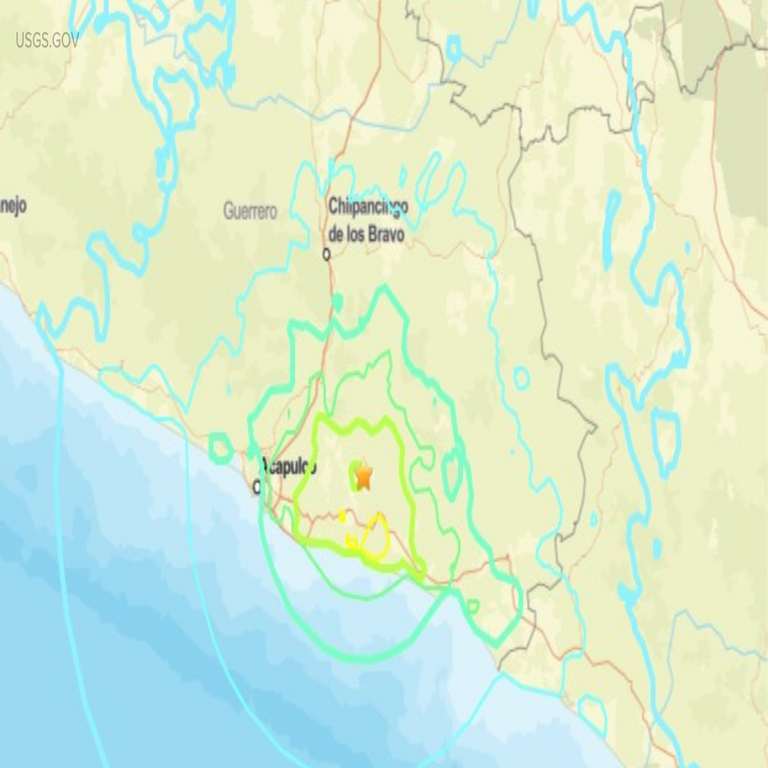
Historically, Mexico has faced numerous seismic challenges given its position along the Pacific Ring of Fire. This earthquake, with its epicenter near Acapulco, underscores the persistent threat that natural disasters pose to urban centers and tourism-dependent economies. The immediate response to the quake, including evacuation of residents and tourists, highlights the importance of effective emergency protocols—an area in which Mexico has made strides but still faces ongoing challenges.
The timing of this seismic event is notable given the current political climate in Mexico, where President Claudia Sheinbaum is navigating a complex landscape of social and economic challenges. The interruption of her press briefing serves as a reminder of how natural disasters can swiftly alter the trajectory of political discourse and public perception. While initial reports indicated no serious damage, the potential for aftershocks and subsequent landslides poses ongoing risks that could affect local governance and public trust.
Regionally, the earthquake's implications extend beyond immediate safety concerns. The state of Guerrero, particularly around Acapulco, is a crucial area for tourism—a sector that significantly contributes to Mexico's GDP. The ability of local authorities to manage the aftermath of such events can have lasting impacts on both economic stability and foreign investment. Moreover, the interconnectedness of regional economies means that unrest or instability in one area can ripple through neighboring states, affecting broader economic trends.
From a global perspective, the earthquake occurs at a time when many nations are assessing their disaster preparedness in light of climate change and increasing natural hazards. For Mexico, this incident serves as a case study in resilience planning, with potential lessons that could be applicable to other nations similarly situated along tectonic fault lines. The capacity to respond effectively not only mitigates immediate risks but also serves as a benchmark for international cooperation on disaster management and humanitarian aid.
Furthermore, the seismic event raises questions regarding infrastructure resilience. With communications reportedly disrupted in some areas, the earthquake highlights vulnerabilities in critical systems that are essential for effective disaster response and recovery. The ability to maintain robust communication networks is integral in minimizing the impact of such events, ensuring that timely information is available to residents and emergency services alike.
In the context of global geopolitics, the earthquake could also influence Mexico's diplomatic relationships, particularly with neighboring countries like the United States. As nations increasingly collaborate on disaster response and recovery, the handling of this earthquake could set precedents for future cooperation or tensions, depending on the effectiveness of the response and recovery efforts.
Given these multifaceted implications, it is clear that natural disasters such as this earthquake are not simply local events; they serve as catalysts for broader geopolitical dynamics. The interaction of environmental factors with economic stability, governance, and international relations creates a complex web that demands careful analysis and strategic foresight.
In summary, the recent earthquake in Mexico is emblematic of the intricate interplay between natural phenomena and geopolitical stability. As countries navigate these challenges, the lessons learned from such events will be critical in shaping future policies and international cooperation.
Editor's note: This article was independently written by the Scoopliner Editorial Team using publicly available information.