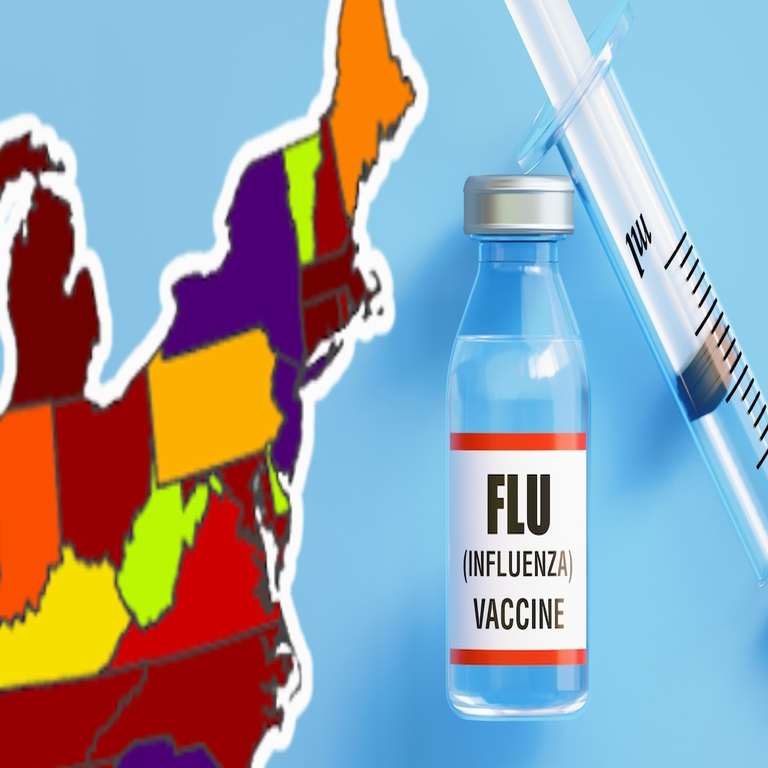
The Controversy Surrounding Flu Vaccination Amidst a Surge in Cases
हिंदी में सुनें
Listen to this article in Hindi
As flu cases rise, the debate over vaccination efficacy highlights critical public health implications.
In light of the recent surge in flu cases attributed to a new variant referred to as the 'super flu,' the discourse surrounding flu vaccination has gained renewed attention. Notably, Dr. Mehmet Oz's recent remarks questioning the efficacy of the flu shot have incited criticism from the medical community, raising important questions about the role of public figures in health communication and the implications for public health initiatives.
The Centers for Disease Control and Prevention (CDC) has reported a significant increase in hospitalizations due to influenza, nearly doubling within a week. This alarming trend underscores the importance of understanding both the nature of influenza viruses and the rationale behind annual vaccinations. Each year, the flu vaccine is reformulated to target the most prevalent strains, a necessary response to the virus's high mutation rate. While the effectiveness of flu vaccines can vary from year to year, public health experts consistently advocate for vaccination as a primary strategy to reduce the severity of illness and prevent hospitalizations.
Dr. Oz's comments highlight a troubling narrative that can undermine public confidence in vaccination efforts. By suggesting that the flu shot is not dependable, he may inadvertently discourage individuals from seeking vaccination, potentially exacerbating the current public health crisis. Medical professionals have emphasized the critical nature of receiving the flu vaccine, particularly during periods of heightened transmission, as it is a proven method to lessen the impact of the virus.
Moreover, the promotion of self-care strategies as alternatives to vaccination raises questions about the responsibility of health communication. While maintaining a healthy lifestyle is undeniably beneficial, it cannot replace the protective effects of vaccination. This is particularly pertinent in the context of a rapidly spreading virus, where collective immunity through vaccination is essential for community protection.
The debate surrounding the flu vaccine also intersects with larger discussions about public health policy and healthcare systems. With limited resources and increasing pressure on healthcare facilities, policies that promote vaccination can alleviate the burden on hospitals and healthcare providers. Enhanced public awareness campaigns are necessary to combat misinformation and reinforce the importance of vaccination in disease prevention.
Furthermore, the ongoing discussions point to a broader need for clear and consistent messaging regarding vaccines. As we continue to navigate vaccine hesitancy, especially in the wake of the COVID-19 pandemic, fostering trust in health authorities and encouraging evidence-based dialogue is essential. The implications of this discourse extend beyond individual choices; they influence collective public health outcomes and the effectiveness of health initiatives.
As flu season progresses, the importance of vaccination remains a cornerstone of public health strategy. Understanding the limitations of available vaccines, while also recognizing their critical role in mitigating the impact of influenza, will be vital in shaping future health policies. The current situation serves as a reminder of the necessity for continued education, transparent communication, and strong advocacy for vaccination as a public health imperative.
In summary, while discussions about the flu vaccine's efficacy are necessary, they must be framed within the context of collective health and responsibility. Public figures have a significant influence on community health perceptions, and their statements can either bolster or undermine public health efforts. It is crucial for both healthcare professionals and the public to engage in informed discussions that prioritize health outcomes over individual skepticism.
Editor's note: This article was independently written by the Scoopliner Editorial Team using publicly available information.