Tragedy in the Swiss Alps: Implications for Regional Safety and Tourism
हिंदी में सुनें
Listen to this article in Hindi
An analytical look at the recent tragedy in the Swiss Alps, its implications for safety and tourism, and broader regional concerns.
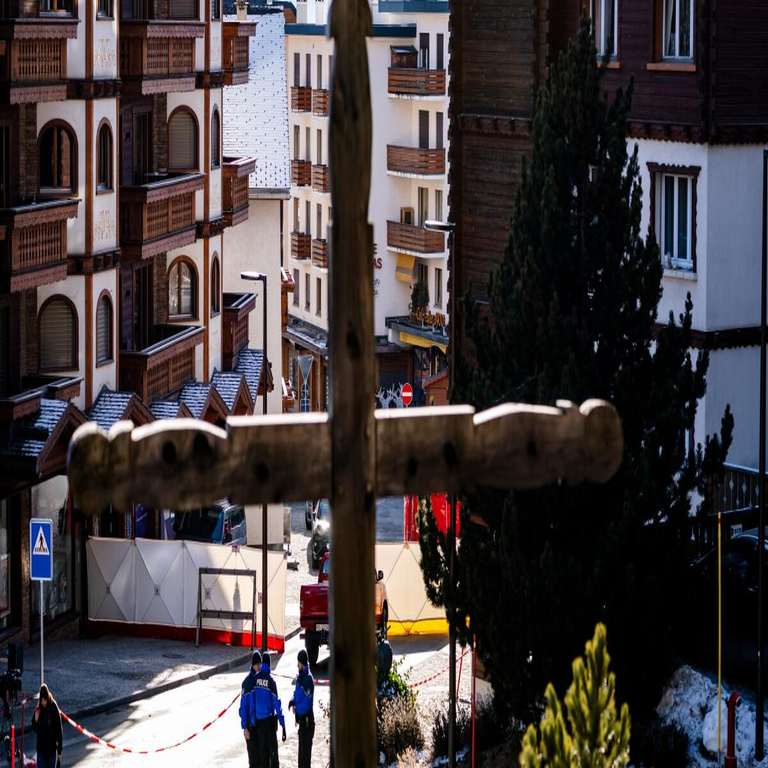
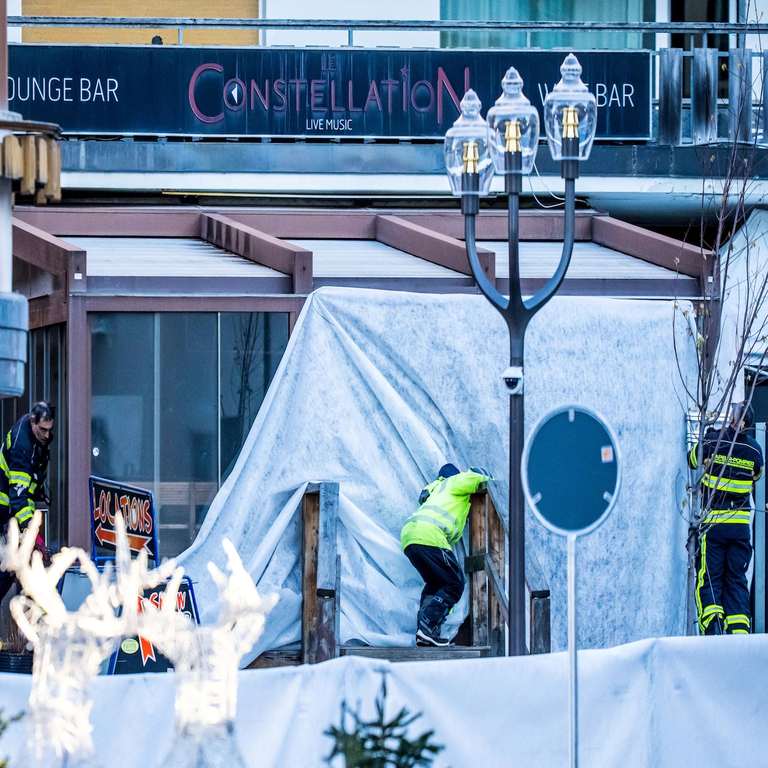
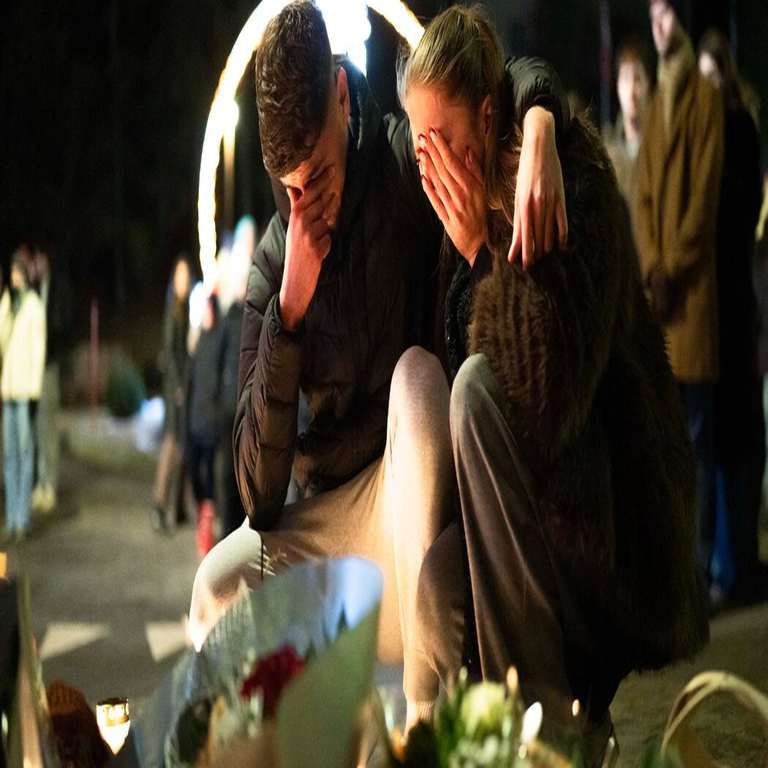
The recent fire tragedy in the Swiss Alps, which has resulted in significant loss of life and numerous injuries, raises critical questions regarding safety protocols in high-tourism areas and the broader implications for regional stability. As Switzerland is a prominent destination known for its winter sports and festive celebrations, incidents like this can have far-reaching effects on tourism, public perception of safety, and emergency response capabilities.
With the global tourism sector recovering from the impacts of the COVID-19 pandemic, the timing of this incident is particularly concerning. As travelers resume their plans, safety becomes a paramount concern for both tourists and local authorities. The Swiss Alps, often deemed a safe haven for winter sports enthusiasts and holiday revelers, may need to reassess its safety measures to maintain its reputation as a premier tourist destination.
The implications extend beyond immediate reactions; they touch upon the socio-economic fabric of the region. Tourism is a vital component of the Swiss economy, contributing significantly to local livelihoods. A decline in tourist confidence could lead to reduced visitor numbers, affecting not only hospitality businesses but also local jobs and infrastructure development. This potential downturn highlights the fragility of economies that rely heavily on seasonal tourism.
Additionally, the incident raises discussions about emergency preparedness and response capabilities in areas that draw large crowds. The swift mobilization of emergency services in response to the fire points to an established framework, yet the challenges of dealing with mass casualty incidents in remote areas must be evaluated. Local and national authorities may need to reassess resource allocation, training, and communication strategies to enhance readiness for similar events in the future.
Moreover, the fire incident has broader implications for regional safety and security. In a time when many nations are grappling with security threats, ensuring public safety in recreational areas becomes critical. The absence of indications of a terrorist attack in this case reassures some but also emphasizes the need for vigilance against other risks, such as accidental fires or structural failures that can lead to similar tragedies.
In light of this incident, there may also be calls for improved regulatory oversight regarding safety standards in public venues, particularly those catering to large groups. As communities assess the lessons learned from this tragedy, dialogues around legislation and regulation concerning fire safety, crowd control, and emergency preparedness are likely to emerge.
Internationally, such incidents can potentially influence tourism patterns as travelers may seek alternative destinations perceived as safer. Countries with similar mountainous tourist attractions may experience shifts in visitor interest, prompting them to enhance their safety protocols and marketing strategies to reassure potential tourists.
In summary, the tragic events in the Swiss Alps serve as a stark reminder of the vulnerabilities inherent in mass gatherings and recreational tourism. The need for robust safety measures, effective emergency response systems, and ongoing dialogue about public safety in the context of tourism is more critical than ever. As the region grapples with the aftermath, the implications for local economies, safety regulations, and international tourism trends warrant close observation.
Editor's note: This article was independently written by the Scoopliner Editorial Team using publicly available information.