Rupee Resilience: Navigating a World of Shifting Dollar Dynamics
हिंदी में सुनें
Listen to this article in Hindi
Analysis of how a weakening dollar influences Indian markets, rupee volatility, and investment strategies. Explore the implications for Indian investors.
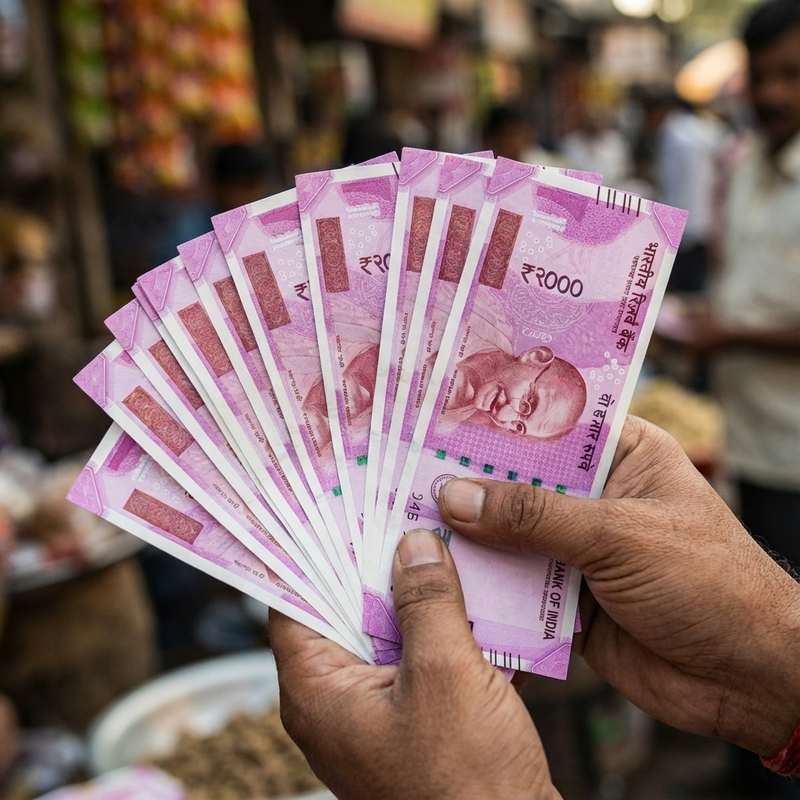
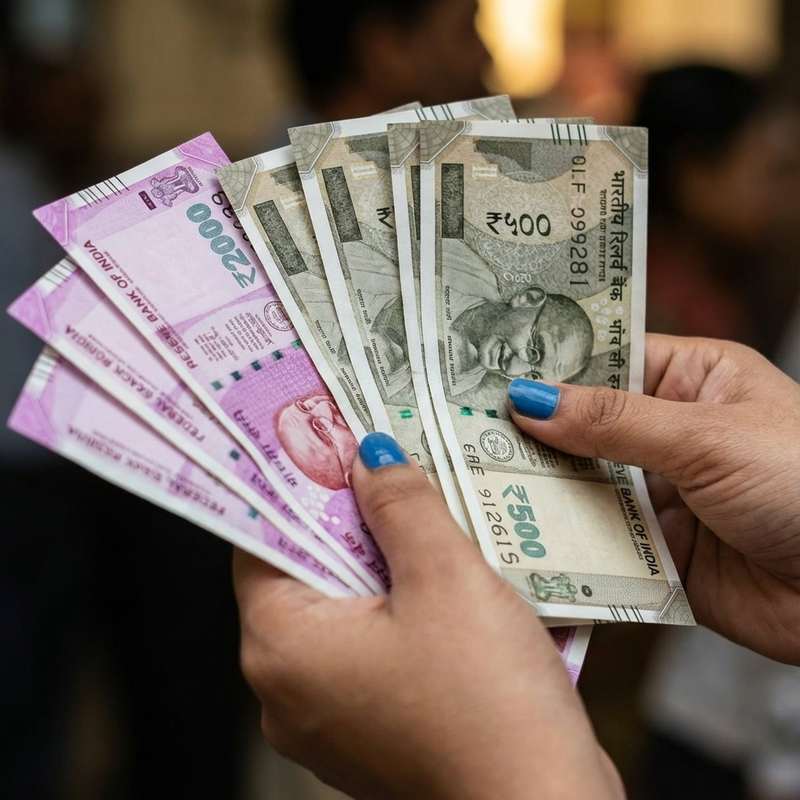
For Indian investors, the global dance of currencies, particularly the US dollar, often feels distant yet exerts a profound influence on portfolio returns and market sentiment. While headlines might focus on daily fluctuations, the underlying trend of dollar strength or weakness acts as a powerful undercurrent, shaping the investment landscape and impacting everything from commodity prices to foreign investment flows into India. Currently, a softening dollar, driven by evolving expectations regarding US Federal Reserve policy, presents both opportunities and challenges for the Indian market.
The core thesis revolves around this dollar depreciation and its potential to alleviate pressure on the Indian Rupee, which has historically faced headwinds from a strong dollar. A weaker dollar makes imports cheaper, potentially easing inflationary pressures within India – a welcome development given the Reserve Bank of India's (RBI) ongoing efforts to manage inflation. This, in turn, could provide the RBI with greater flexibility in its monetary policy decisions, potentially reducing the need for aggressive interest rate hikes. This delicate balance between managing inflation and fostering economic growth is crucial for sustainable market performance.
The ripple effects extend beyond currency and inflation. A weaker dollar often corresponds with increased appetite for riskier assets, including emerging market equities like those in India. Foreign portfolio investors (FPIs), who are sensitive to currency movements, may find Indian assets more attractive as the risk of currency depreciation diminishes. This potential influx of foreign capital can provide a boost to the Indian stock market and support infrastructure projects that rely on foreign investment. The Indian economy, with its dependence on foreign capital for growth, tends to benefit significantly from such shifts in global capital flows.
That said, the reality is a bit more complicated. it's essential to acknowledge the nuanced nature of this relationship. While a weaker dollar can be broadly supportive, a precipitous decline could trigger concerns about global economic stability, leading to risk aversion and a flight to safety, potentially hurting Indian markets. Furthermore, the impact of a weaker dollar is contingent upon other factors, such as the relative strength of other major currencies, global trade dynamics, and domestic economic policies. Understanding the intricacies of the Indian economy is key to navigating these global currents.
For Indian investors, this environment calls for a careful assessment of their portfolio allocations. While the potential for increased foreign investment and a more stable rupee is positive, it's crucial to remain vigilant about potential risks. Diversification across asset classes and sectors remains a prudent strategy. Investors should also closely monitor the RBI's policy responses and the evolution of macroeconomic indicators, both in India and globally. Further, understanding stock market basics can help investors make informed decisions.
The sustainability of this weaker dollar trend hinges on the pace and extent of future US Federal Reserve policy adjustments. Any signs of a resurgence in US inflation or a change in the Fed's stance could quickly reverse the trend, leading to renewed dollar strength and potential headwinds for the Indian Rupee and markets. Moreover, geopolitical risks and unexpected economic shocks could also disrupt the current equilibrium.
So where does that leave things? the current dollar weakness presents a window of opportunity for the Indian market. That said, the reality is a bit more complicated. prudent risk management and a thorough understanding of the interplay between global and domestic factors are essential for navigating this evolving landscape. The resilience of the Rupee, and the overall performance of Indian markets, will depend on India's ability to capitalize on this opportunity while mitigating potential risks. A deeper understanding of RBI policy is also crucial for investors in this environment.
Editor’s note: This article was independently written by the Scoopliner Editorial Team using publicly available information.