DNA Study Reveals Carrier of World's Earliest-Known Plague
हिंदी में सुनें
Listen to this article in Hindi
A new DNA study has identified a sheep as a carrier of the earliest-known plague strain, shedding light on how the disease spread across Eurasia 4,000 years ago.
Scientists have identified a likely animal carrier of a plague that circulated throughout Eurasia for 2,000 years, predating the Black Death by millennia. Until now, the plague's presence had only been confirmed in human remains. Researchers have long sought to understand how this Bronze Age plague managed to spread so extensively. Now, a new discovery offers a potential answer.
An archaeological team analyzed fragmented DNA samples extracted from the bones and teeth of Bronze Age livestock, including cattle, goats, and sheep. This work was part of a larger project investigating the migration patterns of these animals, alongside humans, from the Fertile Crescent across Eurasia.
According to University of Arkansas archaeologist Taylor Hermes, analyzing ancient livestock DNA presents challenges. The samples are often incomplete, highly fragmented, and contaminated with genetic material from organisms that inhabited the animal both during its life and after death. That said, the reality is a bit more complicated. this "genetic soup" also offers an opportunity to identify pathogens that infected the herds and, potentially, their human handlers.
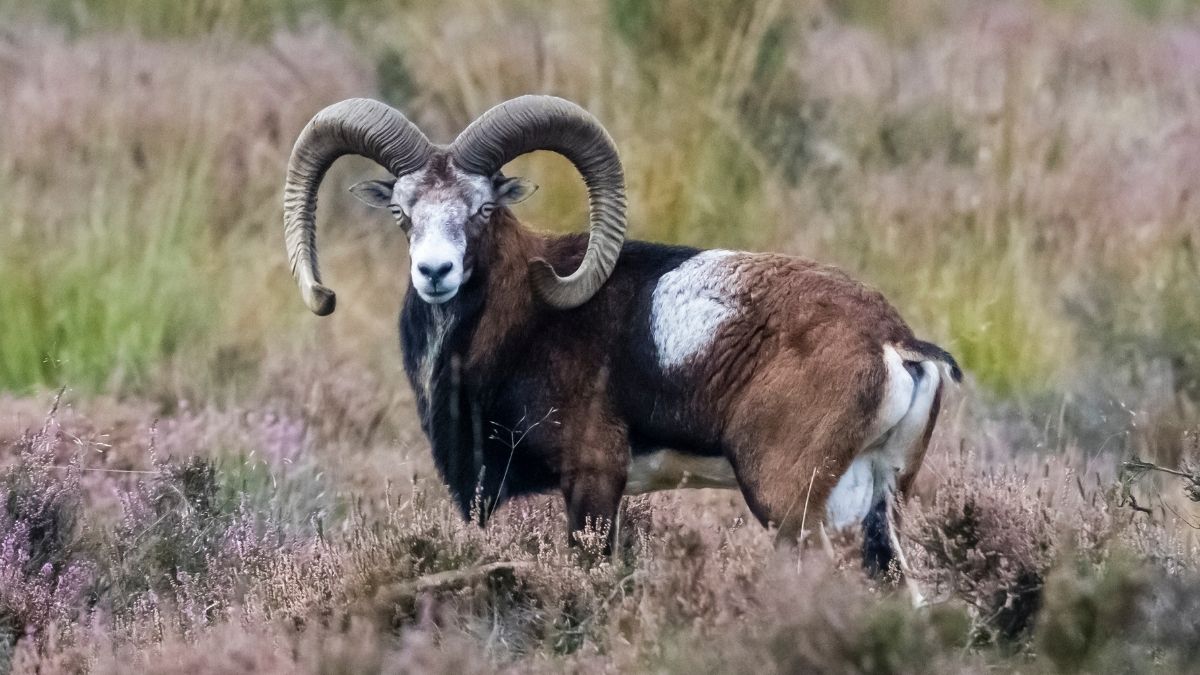
In the remains of a 4,000-year-old domesticated sheep, unearthed at Arkaim, a Russian archaeological site in the Southern Ural Mountains, Hermes and his colleagues discovered DNA belonging to Yersinia pestis, the plague bacteria. This particular strain was an ancient form that, unlike its medieval counterpart, couldn't infect fleas.
The inability of this Y. pestis strain to use fleas as a vector has puzzled archaeologists, prompting questions about its widespread transmission among humans during the Bronze Age. Numerous human remains, discovered at sites spanning thousands of kilometers, have yielded genetic traces of this identical plague strain.
The team's findings, initially shared in a preprint, have now undergone peer review. This discovery marks the first instance of the Late Neolithic Bronze Age lineage of the bacteria being found in a non-human animal.
The researchers suggest that domestic sheep, grazing across the vast Eurasian Steppe, could have encountered wild animals carrying the bacteria (without becoming sick themselves) and subsequently spread it among themselves and to shepherds. That said, the reality is a bit more complicated. they acknowledge that human-to-sheep transmission cannot be entirely ruled out.
"It had to be more than people moving. Our plague sheep gave us a breakthrough," Hermes stated. He envisions a dynamic interplay between humans, livestock, and an as-yet-unidentified "natural reservoir," potentially rodents or migratory birds inhabiting the Eurasian Steppe's grasslands.
Pinpointing ancient pathogen DNA is difficult. Animal remains often lack the careful preservation afforded to human burials. Furthermore, many animal specimens found by archaeologists are food remnants, which means they were likely cooked, a process that degrades DNA.
As biologist Ian Light-Maka, Hermes, and their colleagues noted in their published paper, people generally avoid eating visibly sick animals, leading to a bias in archaeological finds towards healthy specimens. Even when infected animals are consumed, a single animal can infect many people, making the probability of finding and studying that specific animal quite low.
This discovery represents only the third time any strain of Y. pestis has been identified in ancient animals. Previous finds included a medieval rat and a Neolithic dog, but those DNA samples were too degraded to yield reliable results.
Hermes highlights the significance of the Arkaim sheep discovery, as the site is linked to the Sintashta culture. The Sintashta were known for their bronze weaponry, horsemanship, and genetic influence in Central Asia. Human remains from this culture have also shown traces of the Late Neolithic Bronze Age plague strain.
During the sheep's lifetime, the Sintashta people were expanding their livestock herds, aided by their horse-riding skills, which allowed them to traverse greater distances and potentially encounter wild species carrying the plague.
Despite this significant finding, the authors emphasize that a complete understanding of the LNBA lineage's ecology across the various cultures and regions affected by this ancient plague remains elusive. They conclude that the plague's reservoir is still at large and further research is needed.