India's Economic Ascent: Navigating the Goldilocks Phase
हिंदी में सुनें
Listen to this article in Hindi
Analyzing India's rising economy and its implications for market sentiment, liquidity, and volatility amidst global challenges.
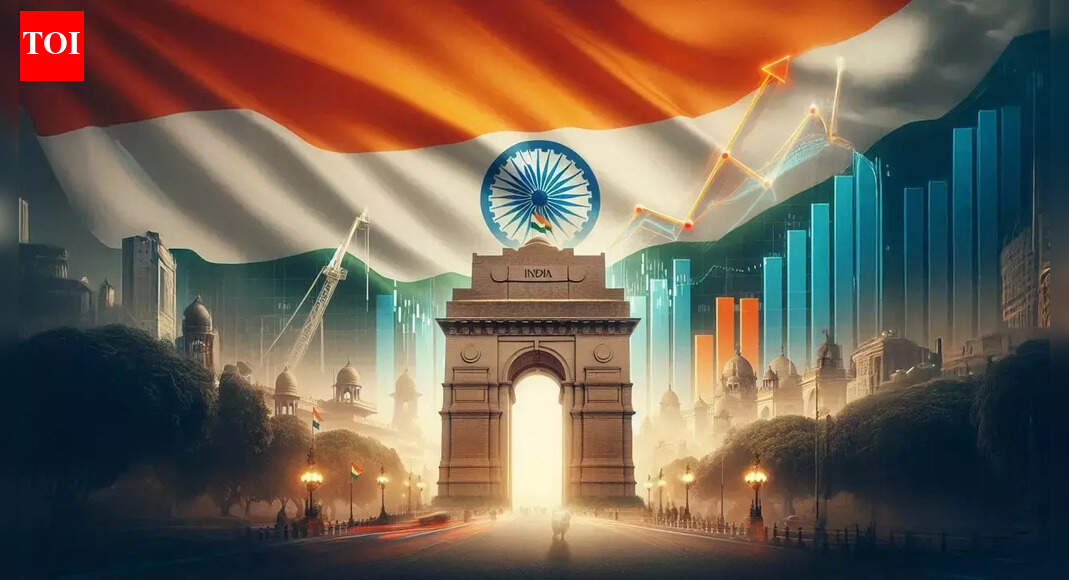
India's recent ascension to become the world's fourth-largest economy marks a significant milestone, not just in terms of numbers but in the broader narrative of its economic journey. With a nominal GDP of $4.18 trillion, India has surpassed Japan and is on the trajectory to overtake Germany, a feat anticipated in the next few years. This transition is not merely a matter of economic ranking; it signals a renewed confidence in India's growth potential, particularly during a period characterized by favorable macroeconomic conditions. The current environment, often described as a 'Goldilocks phase'—where growth is robust and inflation remains contained—could have profound implications for market sentiment and investor behavior in the Indian context.
The concept of the Goldilocks economy suggests that current conditions are just right, fostering an environment conducive to sustainable growth. India's economy has shown resilience, with the second quarter of FY 2025-26 witnessing an impressive 8.2% GDP growth, driven primarily by strong domestic demand and an uptick in urban consumption. This robust performance, coupled with a supportive monetary environment, could bolster investor confidence, drawing in both domestic and international investments. As liquidity remains ample, the Indian market may see heightened activity, particularly in sectors poised to benefit from increased consumer spending and government capital expenditure.
Moreover, the Reserve Bank of India's (RBI) recent upward revision of growth projections for FY 2025-26 reflects positive economic momentum. With projections now at 7.3%, the central bank acknowledges the ongoing reforms and structural changes that are likely to enhance growth prospects. The RBI's accommodative monetary policy, combined with low inflation rates, suggests that borrowing costs may remain favorable for businesses and consumers alike. This environment encourages spending and investment, further fueling economic expansion. For a deeper understanding of how these policies affect the market, investors can explore an [RBI policy or interest-rate explainer](#).
That said, the reality is a bit more complicated. this period of optimism is not without challenges. Global economic conditions remain uncertain, particularly with rising geopolitical tensions and trade dynamics that could impact India's export-driven sectors. The imposition of steep US tariffs related to India's purchase of Russian oil serves as a reminder that external factors could disrupt the current Goldilocks phase. While domestic consumption appears robust, any significant downturn in global trade could have cascading effects on the economy, potentially dampening investor sentiment and market stability.
Additionally, while inflation remains below the tolerance band, the risk of price pressures emerging from supply chain disruptions can’t be dismissed. Investors should remain vigilant about potential shifts in inflation dynamics, especially as global energy prices fluctuate. The interconnectedness of global markets means that even localized issues can resonate through the Indian economy, prompting a reassessment of growth expectations and market valuations. Understanding the [Indian economy or market structure context](#) is crucial for investors navigating these complexities.
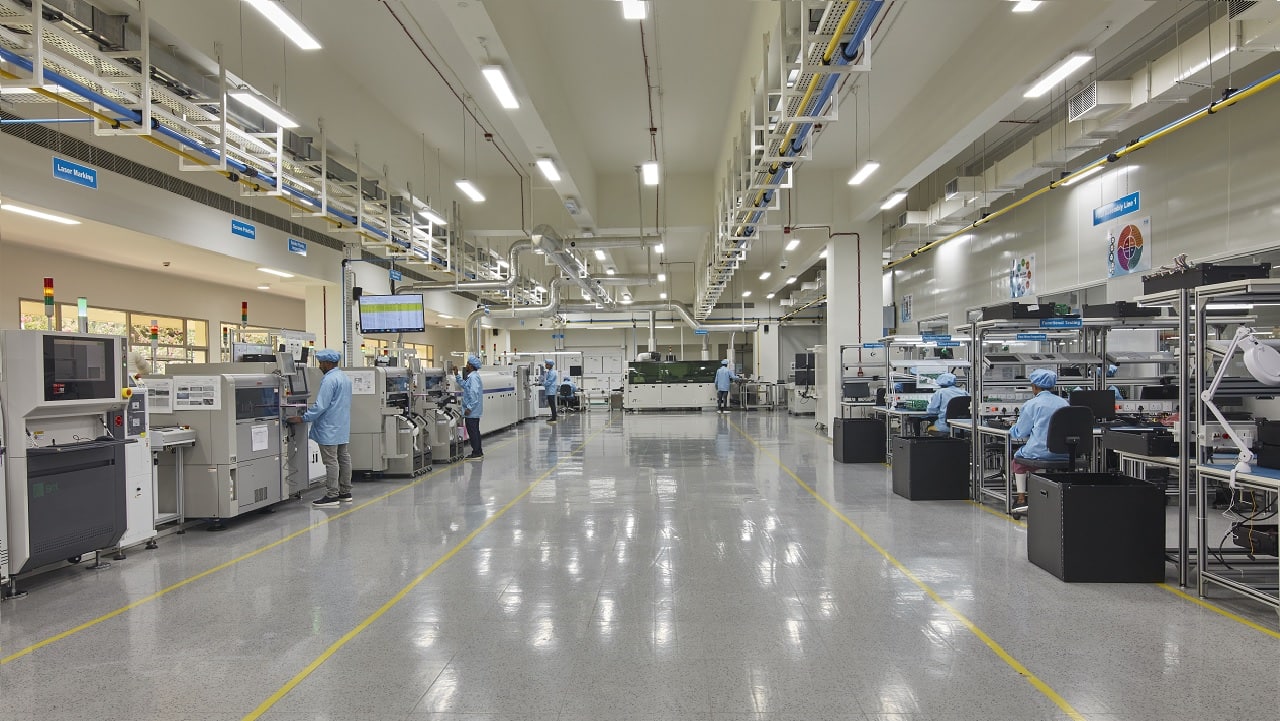
Despite these risks, the overall sentiment surrounding India's economic prospects remains optimistic. The government's proactive stance on reforms, including tax rationalization and improvements in ease of doing business, has positioned India as a favorable destination for investment. This proactive approach is likely to strengthen investor confidence, encouraging long-term investments in both public and private sectors. As India continues to enhance its infrastructure and regulatory frameworks, sectors such as technology, renewable energy, and manufacturing are poised for significant growth.
So where does that leave things? India's rise to the fourth-largest economy is emblematic of its potential to become a leading player on the global stage. The current Goldilocks phase presents a unique opportunity for investors, characterized by a blend of high growth and low inflation. That said, the reality is a bit more complicated. as global uncertainties loom, maintaining a balanced perspective on risk and opportunity will be essential. Investors should focus on understanding the implications of both domestic reforms and international dynamics to navigate the evolving landscape effectively. For those looking to grasp the fundamentals of market dynamics, exploring [stock market basics](#) can provide valuable insights into making informed investment decisions amidst changing economic conditions.
Editor's note: This article was independently written by the Scoopliner Editorial Team using publicly available information.