Israel's Iron Beam: A New Chapter in Laser Defense Technology
हिंदी में सुनें
Listen to this article in Hindi
An analysis of the strategic implications following Israel's deployment of the Iron Beam laser interception system.
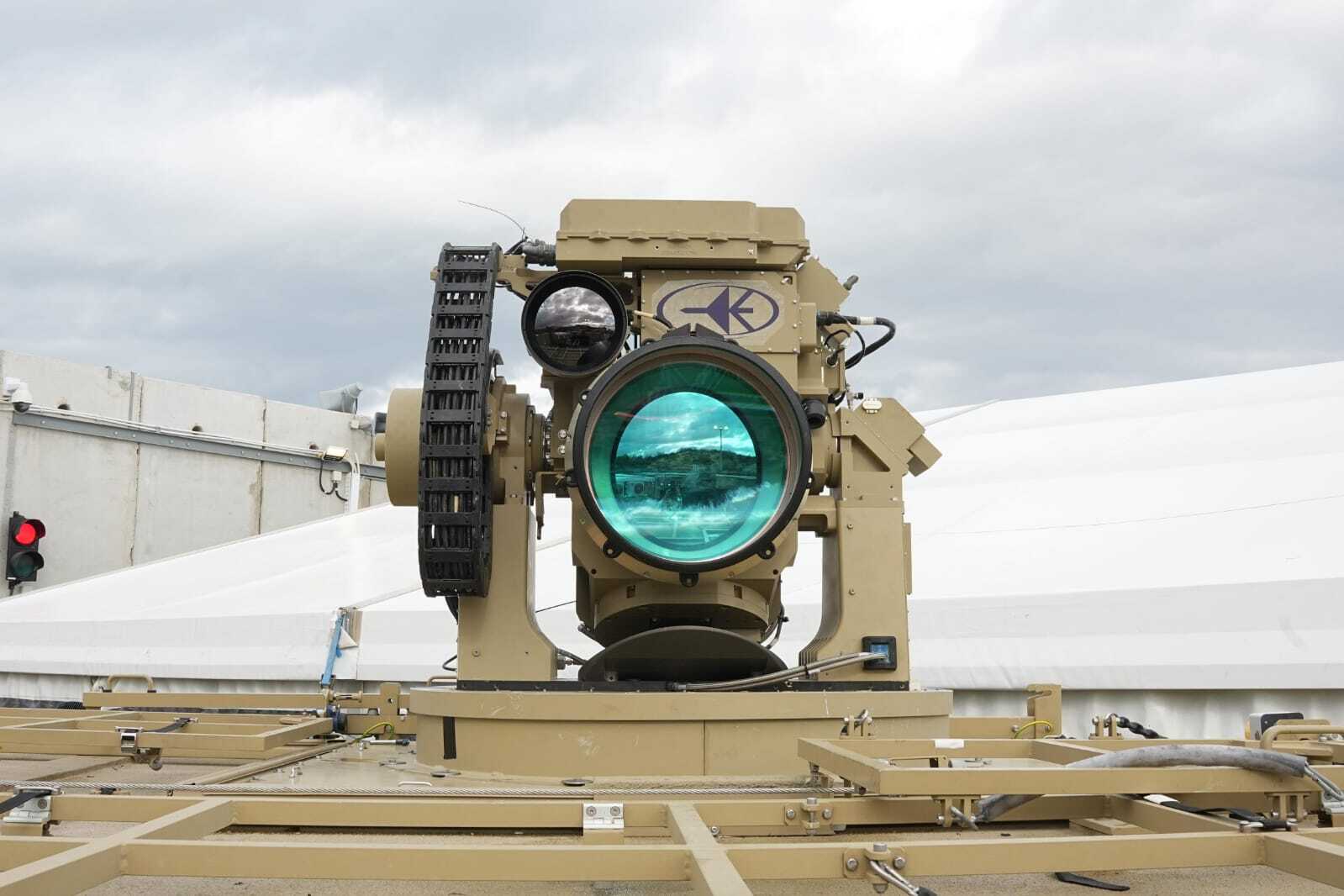
The delivery of Israel's Iron Beam laser interception system to the Israel Defense Forces (IDF) represents a significant milestone in military technology, particularly in air defense. This development comes amid a complex geopolitical landscape defined by regional conflicts and evolving threats in the Middle East. The introduction of high-power laser systems like Iron Beam is not just a technological advancement; it also reflects a shift in defense strategies that could influence the balance of power in the region.
As global military capabilities evolve, nations are increasingly investing in advanced technologies that promise enhanced efficiency and effectiveness in intercepting aerial threats. The operational maturity of the Iron Beam system, which has successfully intercepted a variety of aerial threats, underscores a trend towards integrating innovative solutions into existing defense frameworks. This development is particularly relevant as countries seek to address the growing sophistication of missile and drone technologies employed by non-state actors and hostile nations.
In the context of Israel's multi-layered air defense system, which includes Iron Dome and David's Sling, Iron Beam serves as a complementary tool designed to enhance overall defense capabilities. This integration is crucial, given the increasing frequency of aerial assaults in the region. The implications of this enhancement extend beyond Israel's borders, potentially affecting the strategic calculations of its adversaries and allies alike. The message conveyed by the successful integration of such systems might deter aggressive postures and influence regional military dynamics.
Moreover, the cost-effectiveness of laser interception systems like Iron Beam offers a transformative potential in the economics of defense. Traditional missile interceptors are often expensive and resource-intensive, whereas high-power lasers can reduce operational costs significantly, allowing for a more sustainable defense strategy. This shift could lead to a reevaluation of military expenditures among nations facing similar threats, promoting a broader adoption of laser technology in global defense frameworks.
That said, the reality is a bit more complicated. the operational deployment of Iron Beam is not without limitations and risks. While the technology promises greater efficiency, challenges such as atmospheric conditions and the potential for adversarial countermeasures remain concerns. These factors could affect the reliability and effectiveness of laser systems in combat scenarios, prompting ongoing research and development efforts to address such vulnerabilities.
At a strategic level, the introduction of the Iron Beam system could also impact Israel's relationships with neighboring countries. The advancement of its military technology can be perceived as a destabilizing factor by some regional actors, potentially leading to an arms race or prompting shifts in alliances. Countries in the region may feel compelled to enhance their own military capabilities in response, which could exacerbate tensions rather than alleviate them.
Consequently, the implications of Israel's Iron Beam extend beyond mere military enhancement. They encompass broader considerations of security, regional stability, and international military collaborations. As nations increasingly focus on advanced technologies, the dynamics of power, deterrence, and defense will continue to evolve, shaping the future landscape of global military affairs.
So where does that leave things? the operational deployment of the Iron Beam laser interception system highlights a pivotal moment in military technology and regional defense strategies. As nations navigate the complexities of modern warfare, the integration of such advanced systems will play a crucial role in shaping future conflicts and alliances on a global scale.
Editor's note: This article was independently written by the Scoopliner Editorial Team using publicly available information.