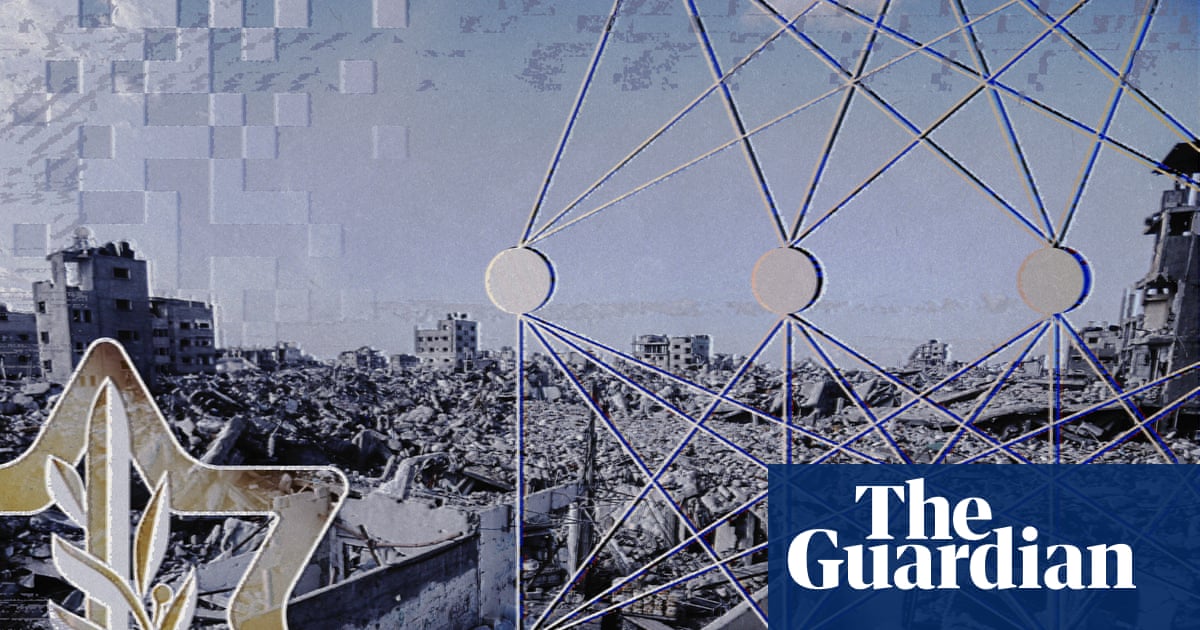
Technological Alliances: The Interplay of Big Tech and the Israeli Military
हिंदी में सुनें
Listen to this article in Hindi
An analytical overview of the relationship between Israeli military operations and major tech companies, with implications for global security.
The intersection between technology and military operations is increasingly becoming a focal point in global geopolitics, particularly as nations leverage data and artificial intelligence in modern warfare. In the case of Israel, an ongoing relationship with major technology firms has manifested in a unique synergy that raises questions about the implications for regional stability and international relations. This analysis explores the dynamics of this relationship, its implications, and the broader context that shapes military engagements in the 21st century.
The significance of the alliance between Israel and tech giants like Microsoft, Google, and Amazon cannot be understated. With the proliferation of digital surveillance capabilities, the ability to gather and analyze vast amounts of data has transformed conventional military strategies. As the Israeli military has sought to enhance its operational effectiveness, its reliance on advanced technologies has deepened, particularly following escalated conflicts in the region. This shift underscores a broader trend where data-driven strategies are emerging as a key component in military operations, influencing how conflicts are approached and managed.
In the wake of escalating tensions, particularly after the events of October 7, there has been a notable increase in the demand for technological capabilities from the Israeli military. The surge in recruitment for reserve duty and the need to target multiple locations simultaneously have necessitated a reliance on big data analytics and cloud computing services. This scenario illustrates a critical point: the integration of technology into military operations is not merely a matter of convenience, but a fundamental shift in how military power is projected and maintained.
Moreover, the implications of these technological alliances extend beyond the immediate operational benefits they provide to Israel. As military engagements increasingly rely on data analytics and artificial intelligence, the potential for civilian surveillance and data privacy concerns rises. The Israeli military's use of mass surveillance technologies, coupled with partnerships with major tech firms, raises ethical questions regarding the balance between national security and individual rights. The ongoing investigations into these practices highlight the need for scrutiny in how technologies are deployed in conflict zones.
The sustainability of these ties is also a point of discussion among analysts. As global scrutiny of military practices intensifies, tech companies may face reputational risks associated with their involvement in military operations. The question of whether the financial incentives of lucrative contracts can outweigh potential backlash from civil society and advocacy groups remains open. Companies like Microsoft, which have recently curtailed access to certain technologies for Israel, reflect a growing awareness of the complexities involved in such partnerships.
In a broader geopolitical context, the reliance on technology for military operations may have far-reaching implications for international security dynamics. As nations increasingly adopt similar strategies, the global landscape may witness an arms race not only in conventional weaponry but also in technological capabilities. This shift could redefine power dynamics, with data and technology becoming as crucial as traditional military assets.
The interplay between big tech and military operations also invites questions about the future of warfare. As artificial intelligence and machine learning technologies evolve, the potential for autonomous systems in military operations could shift the nature of human involvement in conflict. The ethical and operational dimensions of such advancements pose challenges that require urgent attention from policymakers.
So where does that leave things? the relationship between the Israeli military and major technology firms serves as a case study in the evolving nature of warfare and the strategic importance of data. As the world witnesses a convergence of technology and military strategy, understanding these dynamics will be essential for comprehending future conflicts and their implications for global stability.
Editor's note: This article was independently written by the Scoopliner Editorial Team using publicly available information.