Harnessing Credit Card Usage: A Path to Enhanced Financial Efficiency
हिंदी में सुनें
Listen to this article in Hindi
Explore how intentional credit card usage can unlock financial efficiency and rewards for Indian consumers.
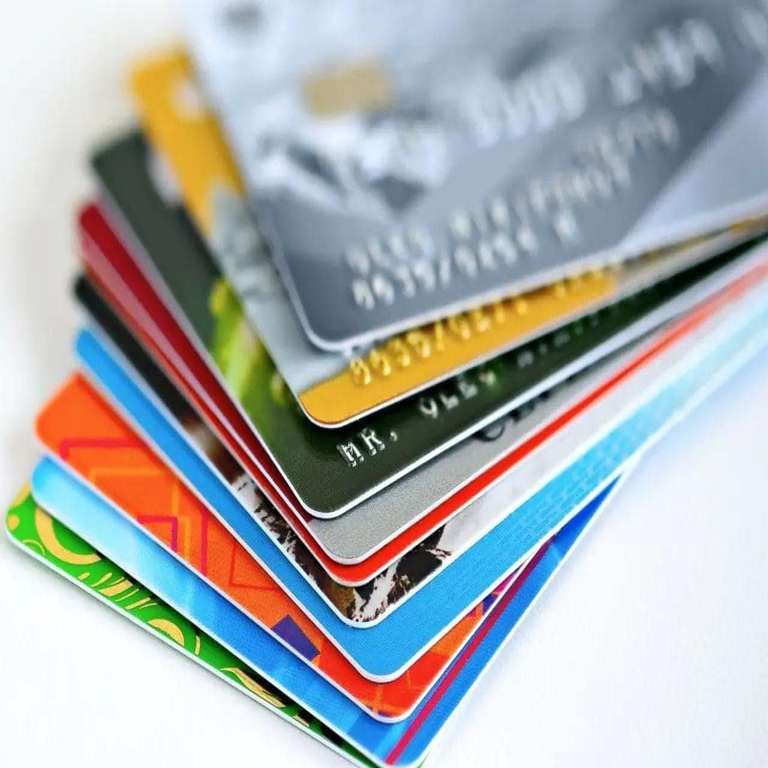
The rapid growth of credit card usage in India, driven by a burgeoning middle class and a digitized economy, presents a unique opportunity for consumers to enhance their financial efficiency. With the number of outstanding credit cards expected to reach approximately 110 million by the end of FY25, and annual transaction volumes surging at nearly 29 percent, the landscape is ripe for more intentional spending strategies. That said, the reality is a bit more complicated. as the data reveals, mere ownership of credit cards does not equate to optimal financial outcomes. Instead, a more deliberate approach to credit card usage can unlock significant value for consumers, enhancing liquidity, cash flow, and overall financial well-being.
Central to this discussion is the concept of intentionality in spending. The typical credit card user is often unaware of the intricacies of billing cycles, which can dramatically impact cash flow management. For instance, purchases made immediately after the billing statement date can allow for nearly 50 days of interest-free repayment, while those made just before may leave consumers scrambling to meet tighter deadlines. This discrepancy not only affects cash flow but can also induce stress, particularly for those who manage multiple financial commitments. By aligning significant purchases with the post-statement period, consumers can leverage the full interest-free duration to their advantage, thereby fostering a healthier financial environment.
This intentionality extends beyond cash flow management to reward optimization. The current landscape of credit card rewards programs is rich but often underutilized, leading to what industry experts term 'reward leakage.' Many consumers spread their spending across various cards, missing out on accelerated rewards offered in specific categories. By consolidating regular expenses—such as dining, fuel, or online shopping—on cards that offer bonus points, consumers can accumulate rewards without altering their spending habits. This shift not only enhances the value derived from credit card usage but also contributes to a more sustainable financial model in an economy that increasingly values consumer loyalty and engagement.
Moreover, the phenomenon of 'silent value killers'—fees that consumers fail to notice until they accumulate—represents another critical area for improvement. Foreign exchange mark-ups, late payment fees, and automated subscription renewals can significantly erode the perceived benefits of credit card rewards. By instituting simple practices such as setting payment reminders and reviewing card terms periodically, consumers can mitigate these costs, further improving their financial standing. This awareness is paramount in an environment where every rupee counts, especially for the average Indian consumer navigating the complexities of inflation and economic fluctuations.
The behavioral aspect of credit card usage cannot be overstated. As noted by industry leaders, the most effective 'hack' for optimizing credit card benefits lies not in technical maneuvers but in disciplined financial behavior. Paying dues on time, understanding the features of one’s card, and selecting products that align with lifestyle needs are foundational to leveraging credit cards as tools for financial efficiency. In a market characterized by volatility and shifting consumer sentiment, this behavioral discipline serves as a stabilizing force, fostering a culture of financial prudence among consumers.
As India’s economy continues to evolve, the implications of enhanced credit card usage extend beyond individual financial health; they resonate with broader economic sentiment and liquidity dynamics. Increased consumer spending facilitated by improved credit card strategies can stimulate demand, positively impacting various sectors from retail to services. This, in turn, may bolster investor confidence, reflecting a more robust economic outlook. In an interconnected global market, where Indian consumer behavior can influence international trends, the potential for credit card usage to drive economic growth becomes increasingly apparent.
That said, the reality is a bit more complicated. the risks associated with credit card use remain a pertinent topic of discussion. While improved financial efficiency can lead to better liquidity, it also necessitates a careful balancing act to avoid over-reliance on credit. As consumers embrace credit cards as instruments of financial management, there lies a latent risk of accumulating unsustainable debt levels, underscoring the importance of maintaining a disciplined approach.
So where does that leave things? the trajectory of credit card usage in India underscores a critical opportunity for consumers to enhance their financial efficiency through intentional spending. By aligning purchases with billing cycles, optimizing rewards, and practicing disciplined financial behavior, consumers can unlock substantial value from their credit cards. This shift not only enriches individual financial health but also contributes to the broader economic landscape, fostering a more resilient and empowered consumer base. As the market continues to evolve, the challenge remains for consumers to adapt and harness the full potential of their credit cards, transforming them from mere payment tools into powerful instruments of financial control and efficiency.
Editor's note: This article was independently written by the Scoopliner Editorial Team using publicly available information.